

NOVEMBER 2026
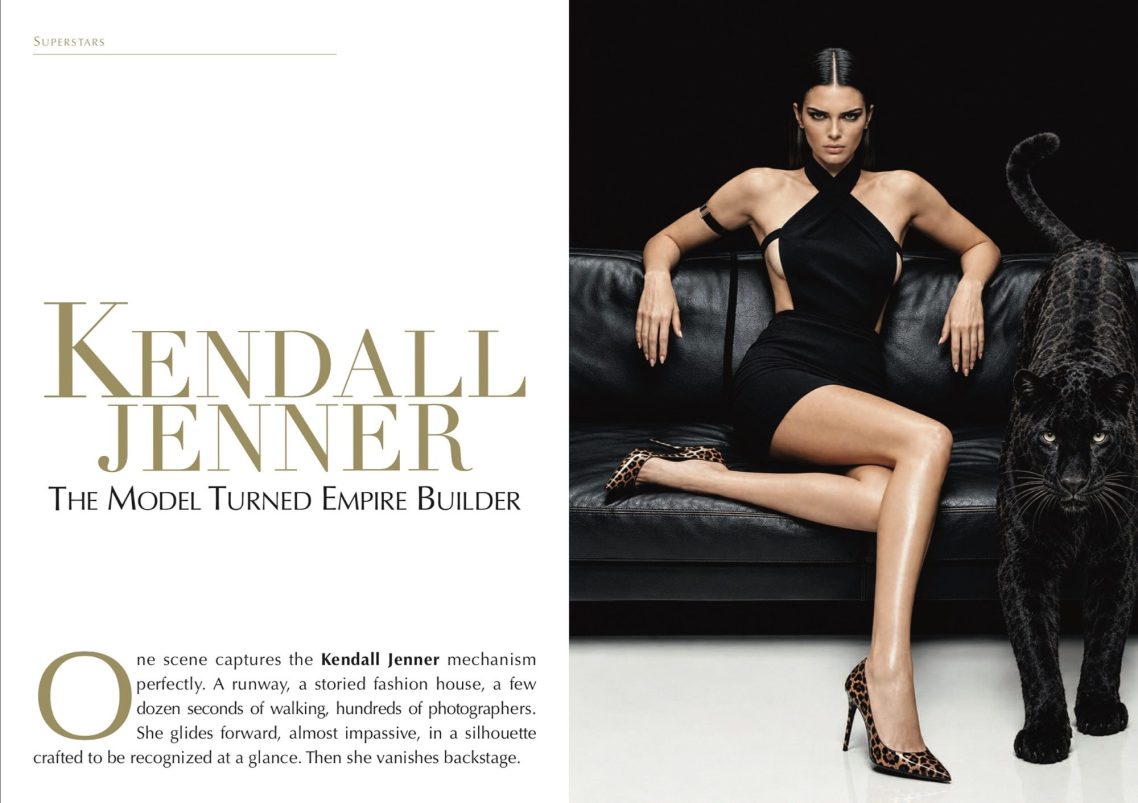
KENDALL JENNER
The Model turned empire builder
One scene captures the Kendall Jenner mechanism perfectly. A runway, a storied fashion house, a few dozen seconds of walking, hundreds of photographers. She glides forward, almost impassive, in a silhouette crafted to be recognized at a glance. Then she vanishes backstage...
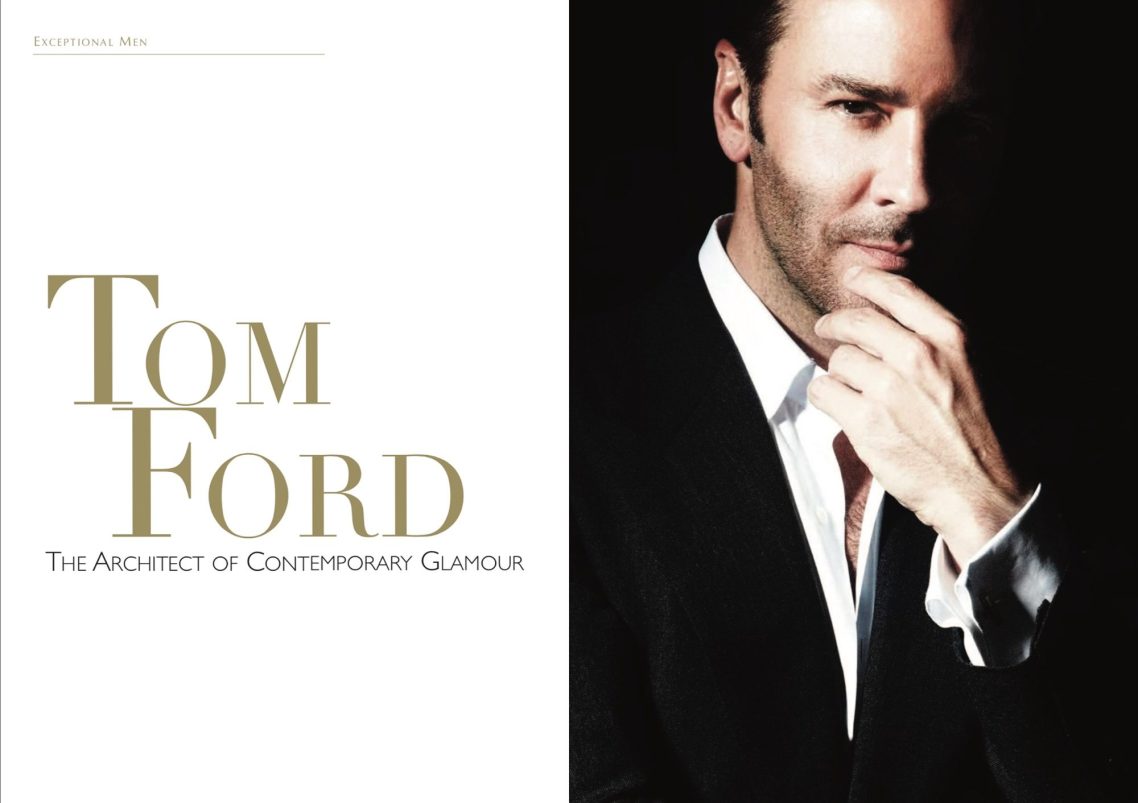
TOM FORD
The architect of contemporary glamour
Thomas Carlyle Ford, better known as Tom Ford, embodies the very essence of modern elegance. This American fashion designer, who is also a renowned filmmaker, has established himself as an iconic figure in the luxury industry through his exceptional talent, innate sense of style, and marketing flair. Tom Ford has made a lasting impression not only with his refined creations but also with his bold and innovative vision of contemporary fashion...
DREAM PROPERTIES
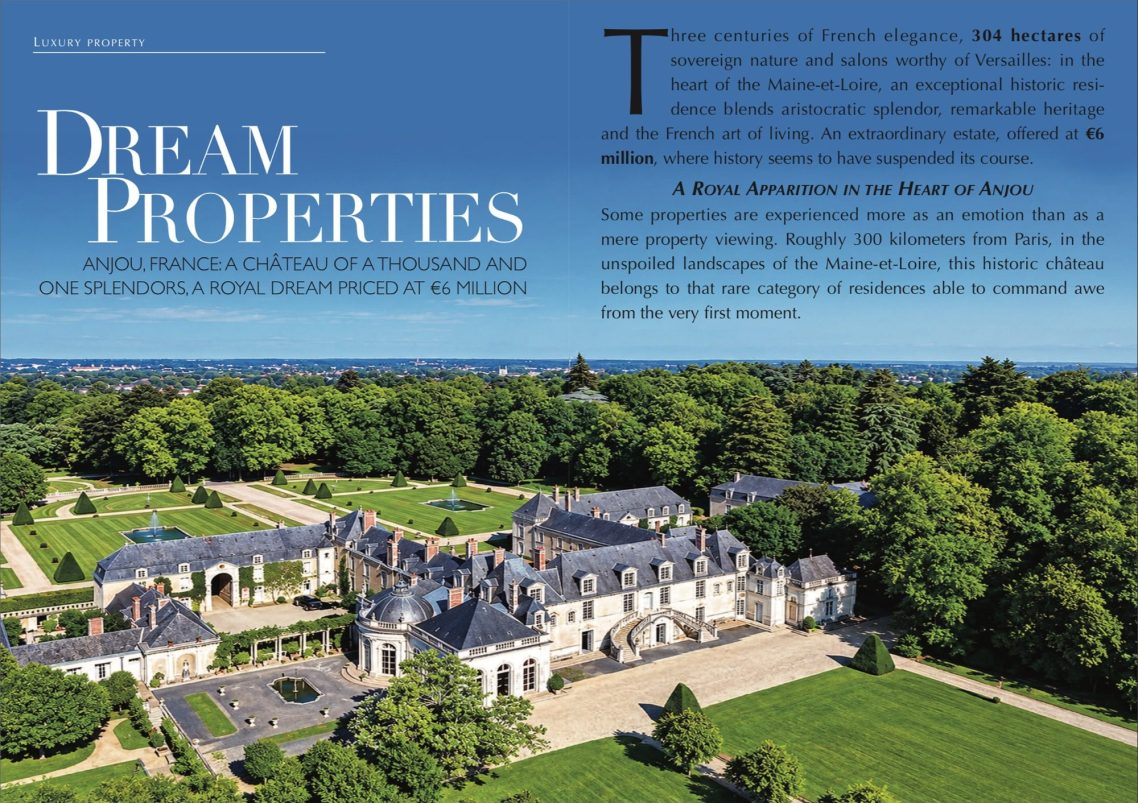
Anjou, France: A Château of a Thousand and One Splendors, a Royal Dream Priced at €6 Million
Three centuries of French elegance, 304 hectares of sovereign nature and salons worthy of Versailles: in the heart of the Maine-et-Loire, an exceptional historic residence blends aristocratic splendor, remarkable heritage and the French art of living. An extraordinary estate, offered at €6 million, where history seems to have suspended its course...
HIVE
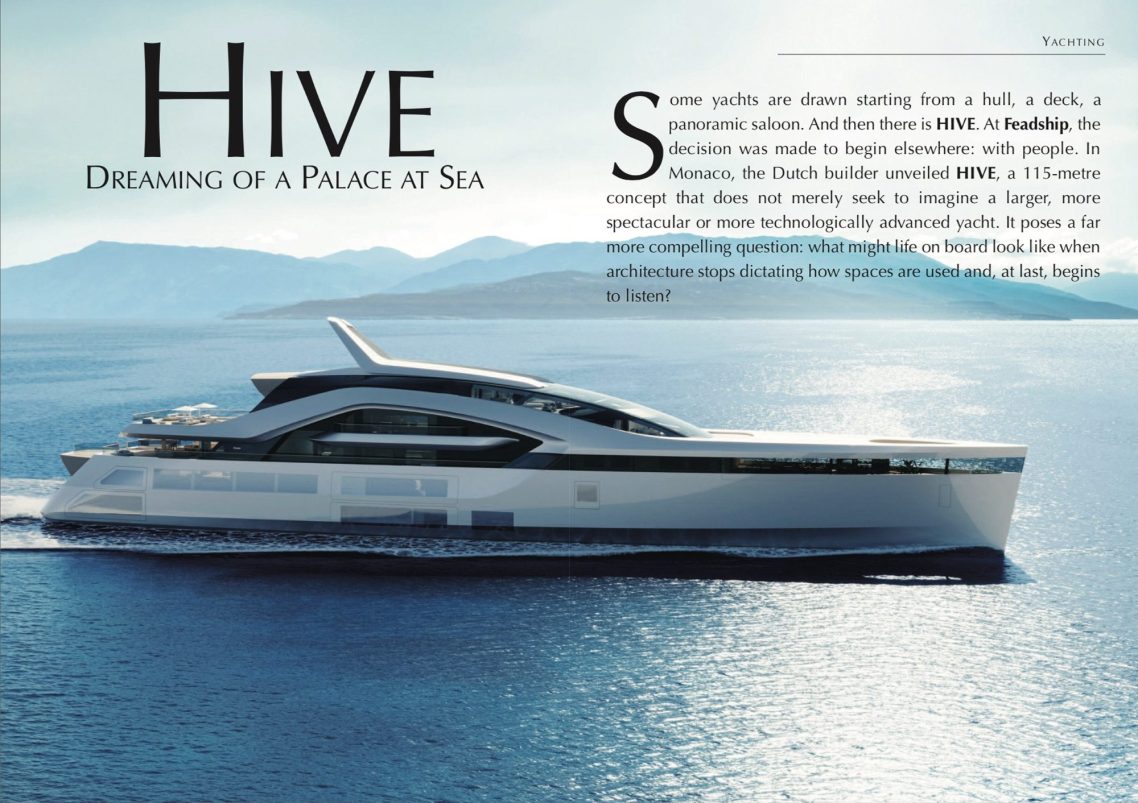
Dreaming of a palace et sea
Some yachts are drawn starting from a hull, a deck, a panoramic saloon. And then there is HIVE. At Feadship, the decision was made to begin elsewhere: with people. In Monaco, the Dutch builder unveiled HIVE, a 115-metre concept that does not merely seek to imagine a larger, more spectacular or more technologically advanced yacht. It poses a far more compelling question: what might life on board look like when architecture stops dictating how spaces are used and, at last, begins to listen? ...
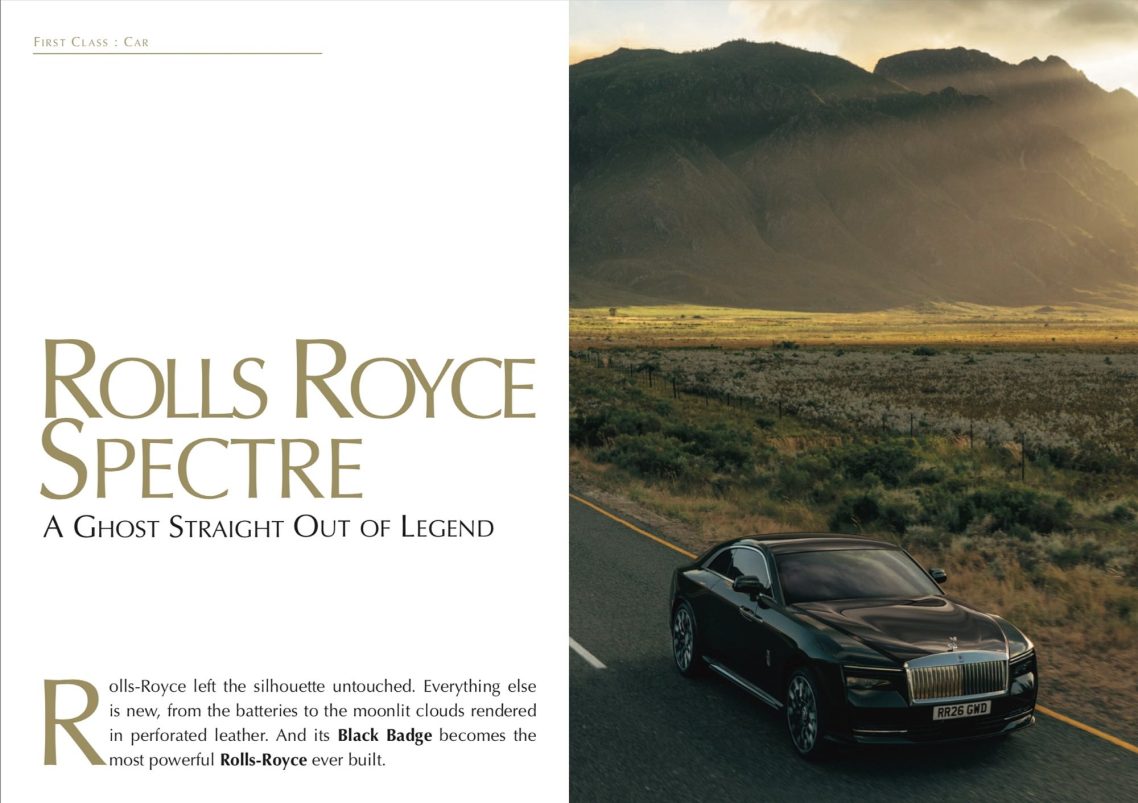
ROLLS ROYCE SPECTRE
A ghost straight out of Legend
Rolls-Royce left the silhouette untouched. Everything else is new, from the batteries to the moonlit clouds rendered in perforated leather. And its Black Badge becomes the most powerful Rolls-Royce ever built...
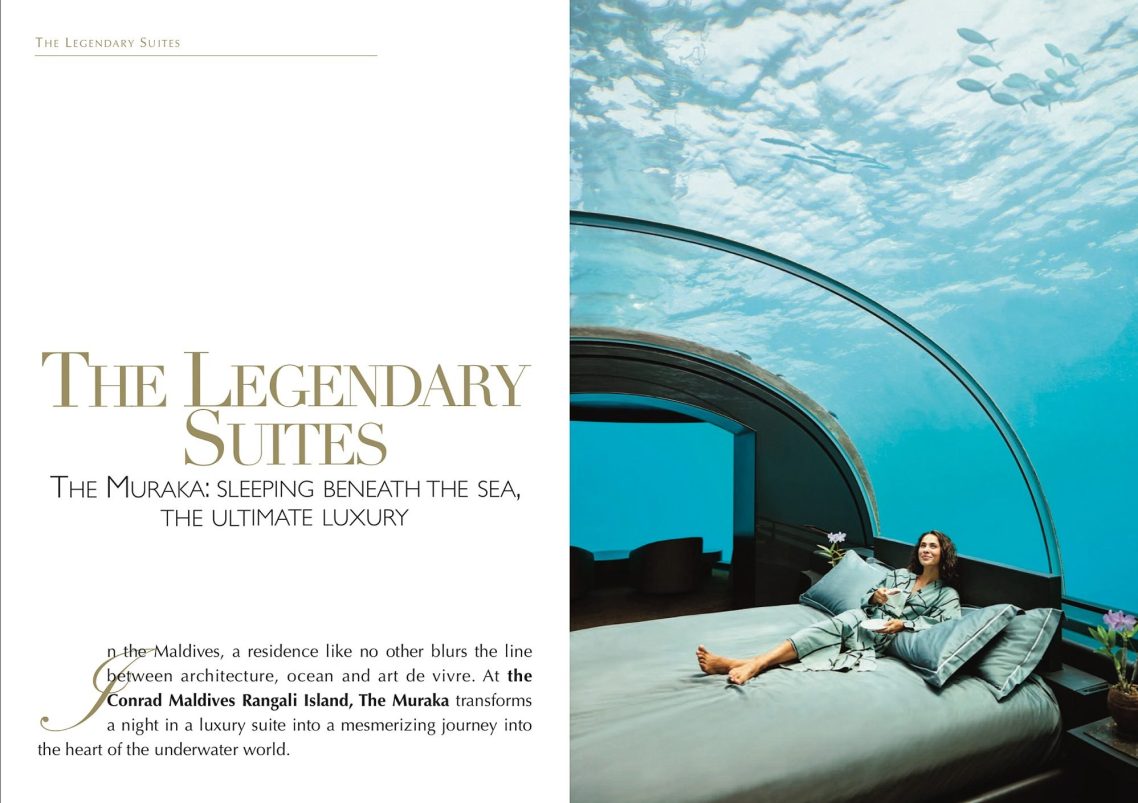
THE LEGENDARY SUITES
The Muraka
In the Maldives, a residence like no other blurs the line between architecture, ocean and art de vivre. At the Conrad Maldives Rangali Island, The Muraka transforms a night in a luxury suite into a mesmerizing journey into the heart of the underwater world...
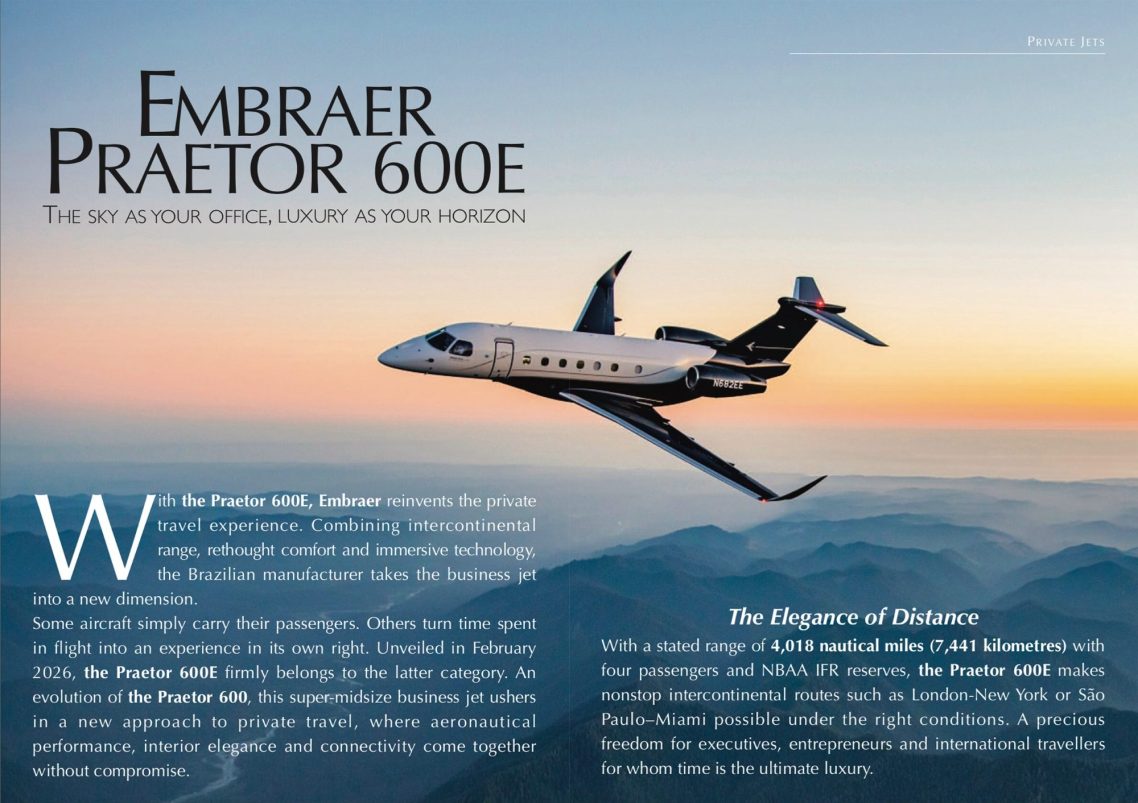
PIVATES JETS
Embraer Praetor 600E
With the Praetor 600E, Embraer reinvents the private travel experience. Combining intercontinental range, rethought comfort and immersive technology, the Brazilian manufacturer takes the business jet into a new dimension. Some aircraft simply carry their passengers. Others turn time spent in flight into an experience in its own right. Unveiled in February 2026, the Praetor 600E firmly belongs to the latter category. An evolution of the Praetor 600, this super-midsize business jet ushers in a new approach to private travel, where aeronautical performance, interior elegance and connectivity come together without compromise...
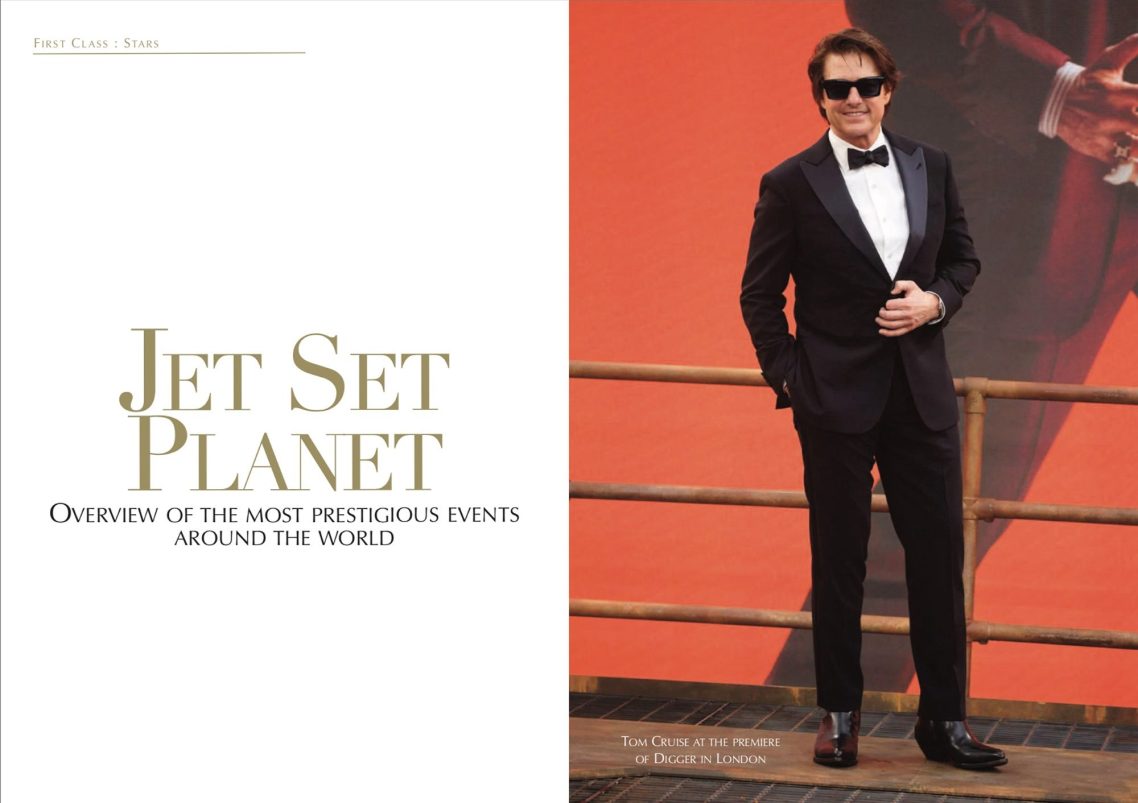
JET SET PLANET
Overview of the most prestigious events
around the world
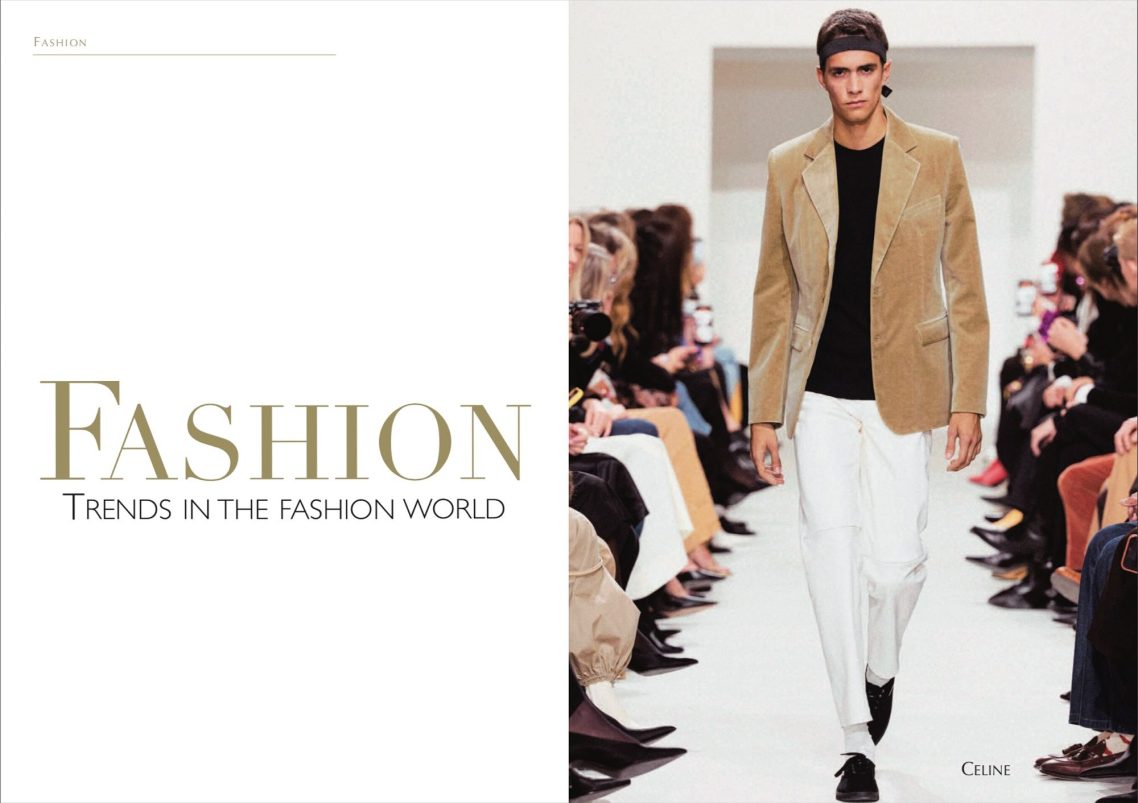
FASHION
Trends in the fashion world
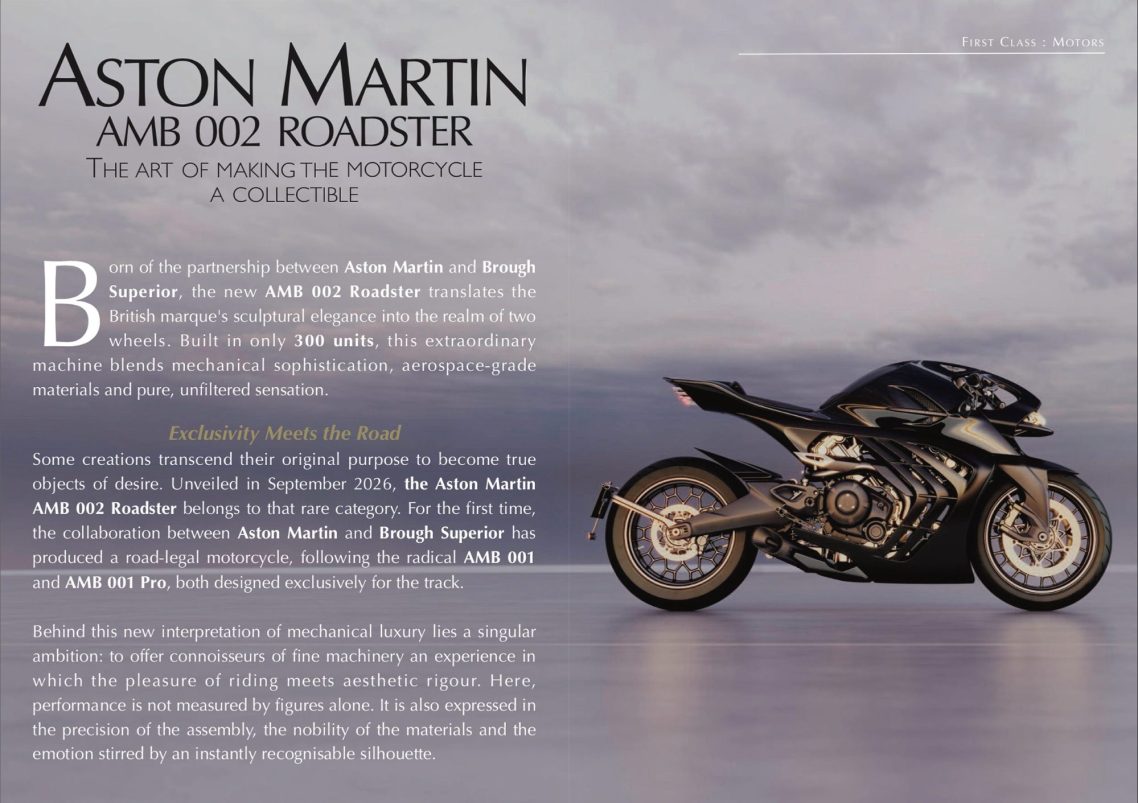
ASTON MARTIN
AMB 002 ROADSTER
Born of the partnership between Aston Martin and Brough Superior, the new AMB 002 Roadster translates the British marque's sculptural elegance into the realm of two wheels. Built in only 300 units, this extraordinary machine blends mechanical sophistication, aerospace-grade materials and pure, unfiltered sensation...

EXCEPTIONAL TIMEPIECES
Jewellers' Finest Timepieces
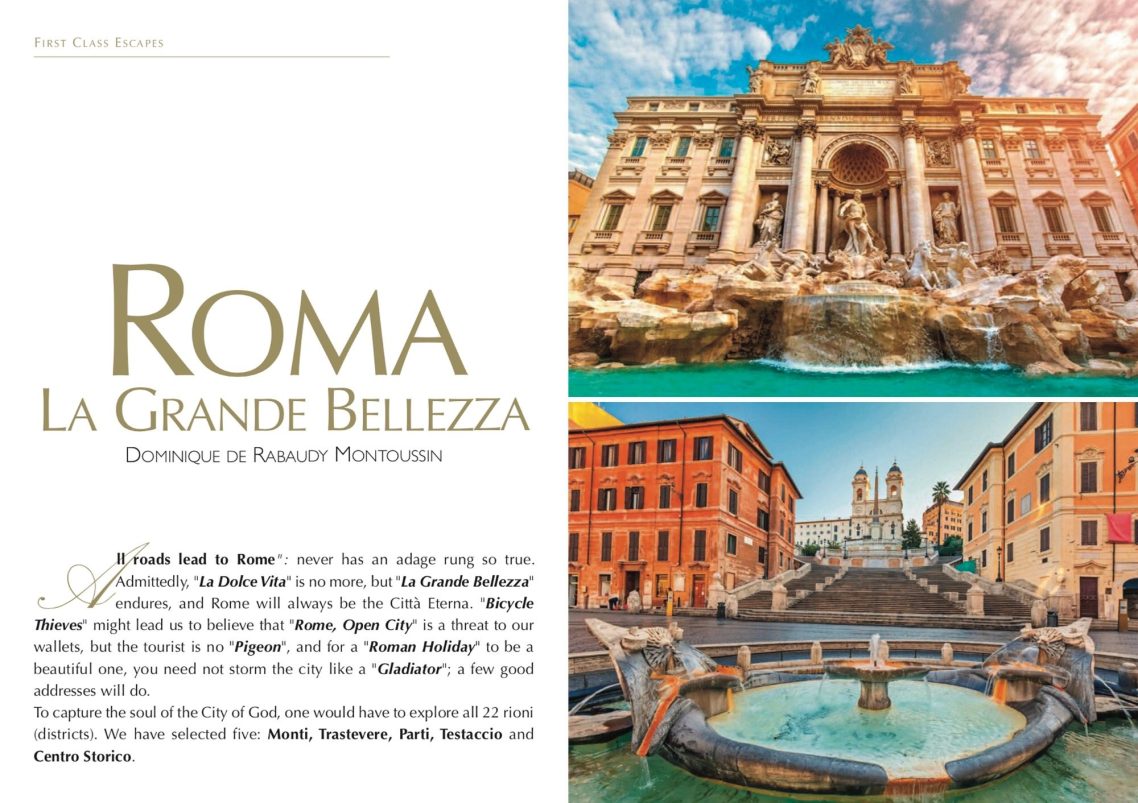
ROMA
La Grande Bellazza
All roads lead to Rome": never has an adage rung so true. Admittedly, "La Dolce Vita" is no more, but "La Grande Bellezza" endures, and Rome will always be the Città Eterna. "Bicycle Thieves" might lead us to believe that "Rome, Open City" is a threat to our wallets, but the tourist is no "Pigeon", and for a "Roman Holiday" to be a beautiful one, you need not storm the city like a "Gladiator"; a few good addresses will do. To capture the soul of the City of God, one would have to explore all 22 rioni (districts). We have selected five: Monti, Trastevere, Parti, Testaccio and Centro Storico...
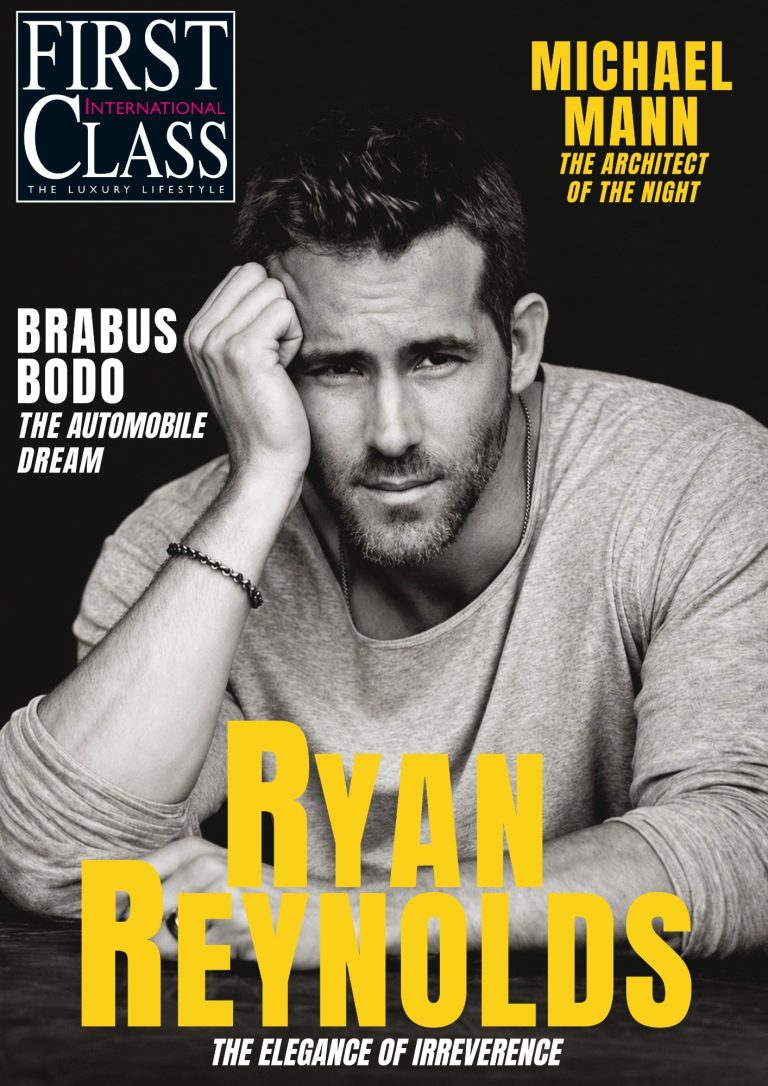
OCTOBER 2026
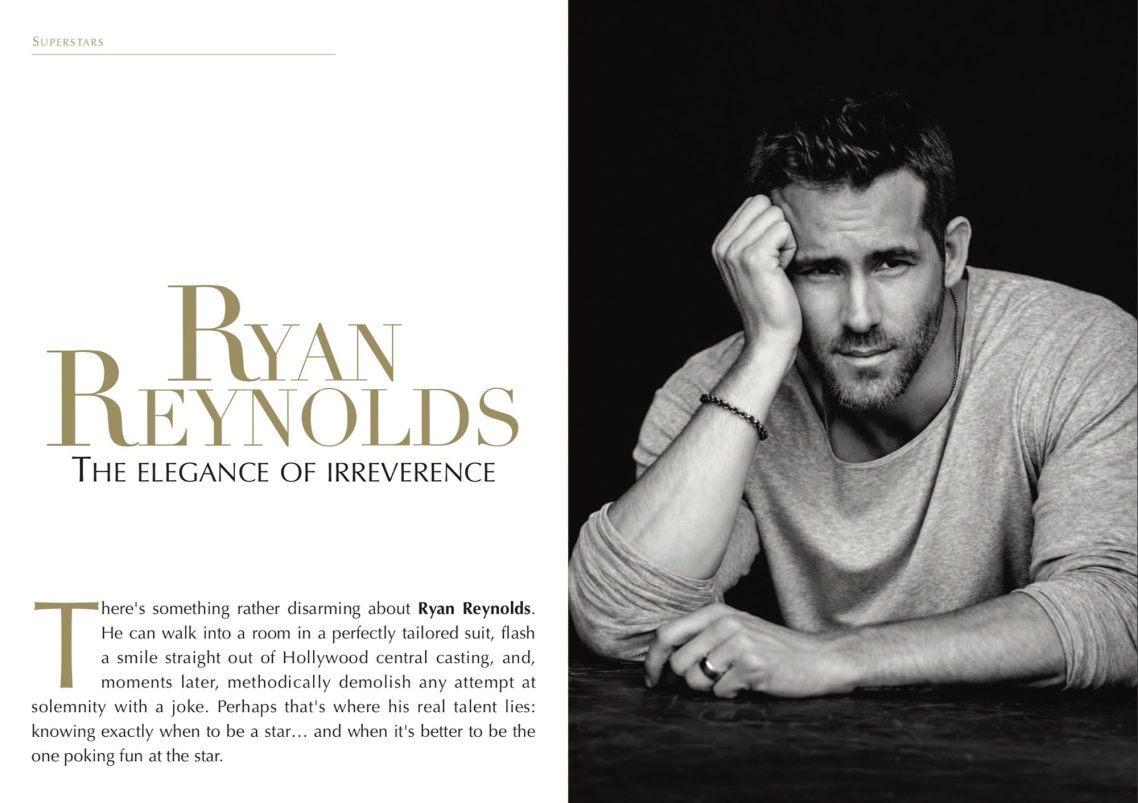
RYAN REYNOLDS
The Elegance of Irreverence
There's something rather disarming about Ryan Reynolds. He can walk into a room in a perfectly tailored suit, flash a smile straight out of Hollywood central casting, and, moments later, methodically demolish any attempt at solemnity with a joke. Perhaps that's where his real talent lies:
knowing exactly when to be a star… and when it's better to be the
one poking fun at the star.
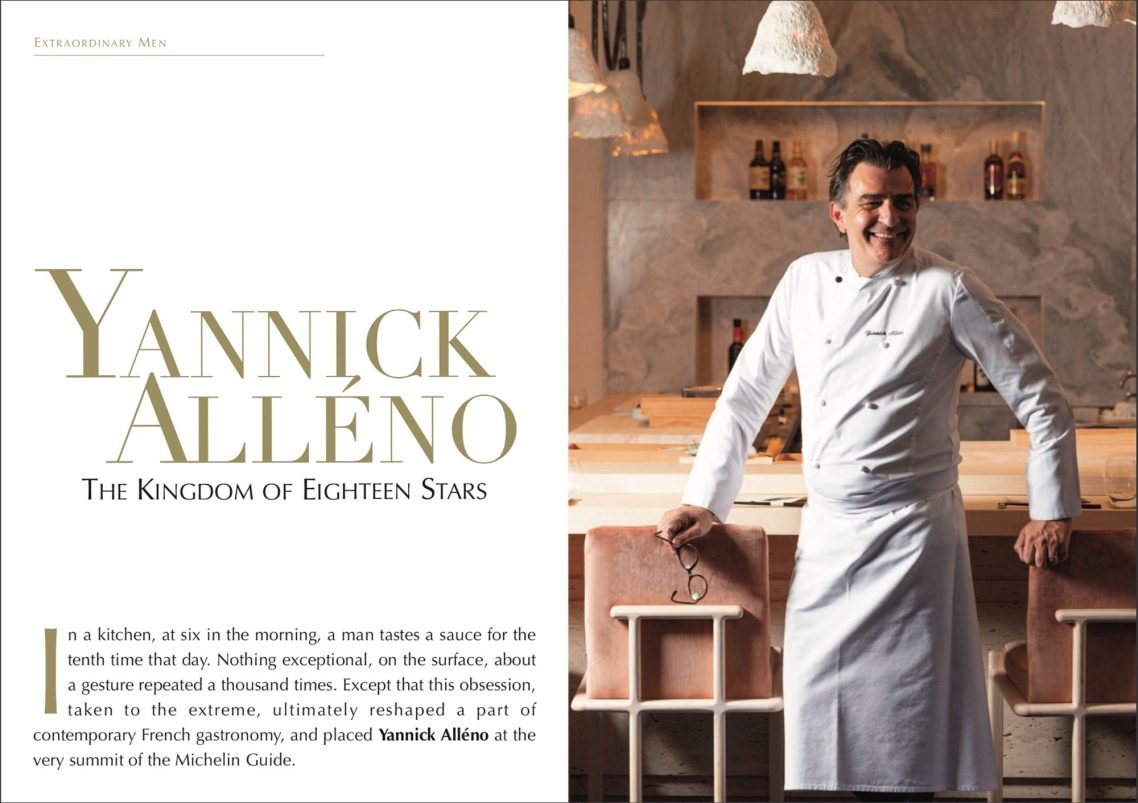
YANNICK ALLÉNO
The kingdom of eighteen Stars
In a kitchen, at six in the morning, a man tastes a sauce for the tenth time that day. Nothing exceptional, on the surface, about a gesture repeated a thousand times. Except that this obsession, taken to the extreme, ultimately reshaped a part of contemporary French gastronomy, and placed Yannick Alléno at the very summit of the Michelin Guide...
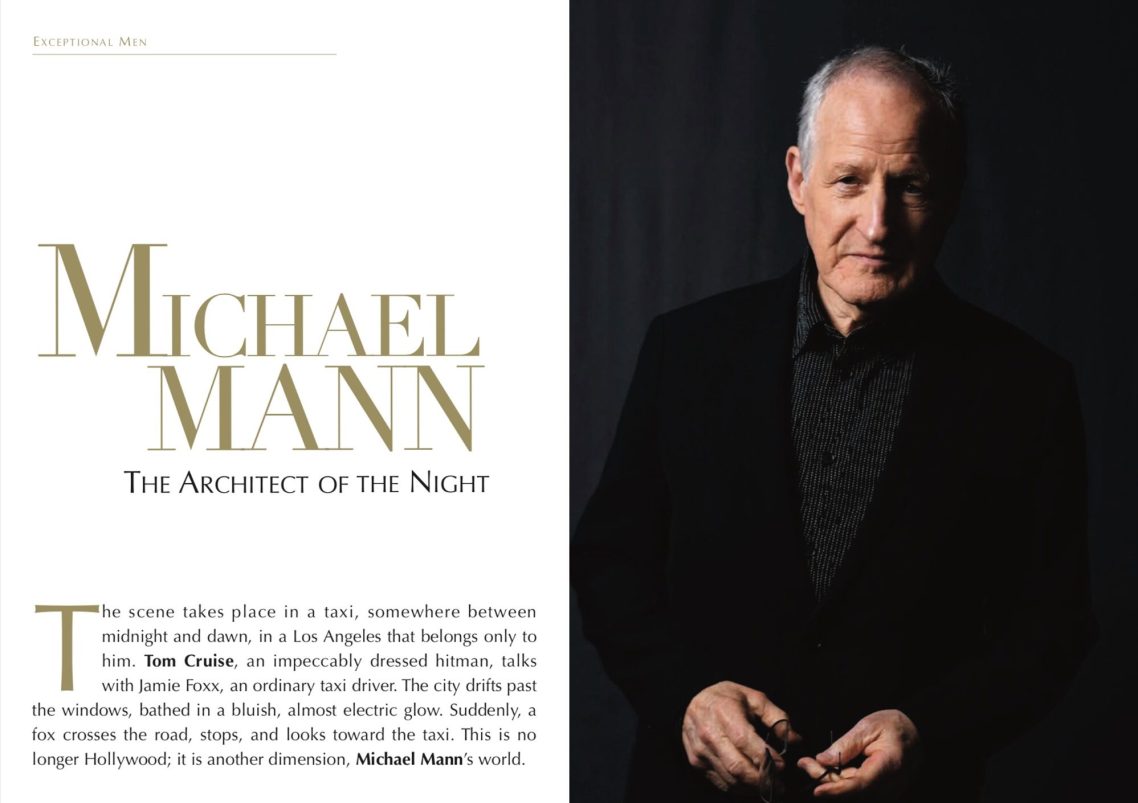
MICHAEL MANN
The Architect of the night
The scene takes place in a taxi, somewhere between midnight and dawn, in a Los Angeles that belongs only to him. Tom Cruise, an impeccably dressed hitman, talks with Jamie Foxx, an ordinary taxi driver. The city drifts past the windows, bathed in a bluish, almost electric glow. Suddenly, a fox crosses the road, stops, and looks toward the taxi. This is no longer Hollywood; it is another dimension, Michael Mann’s world...
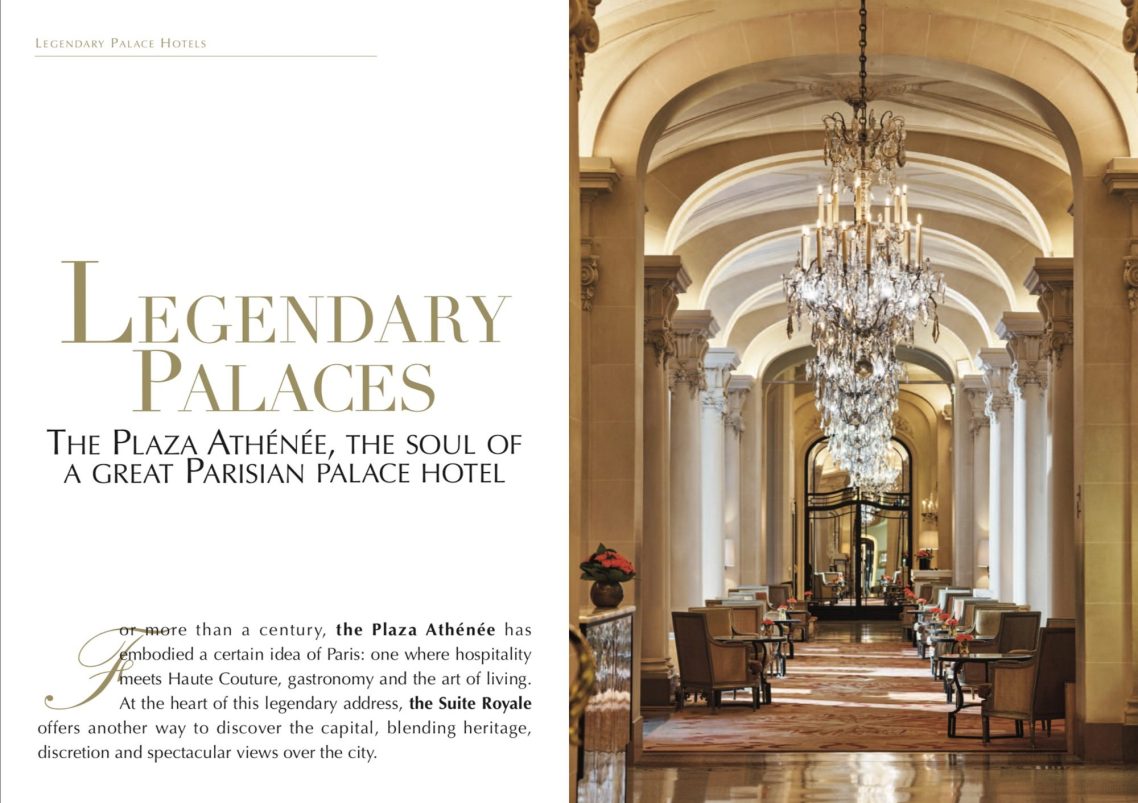
LEGENDARY PALACES
The Plaza Athénée
For more than a century, the Plaza Athénée has embodied a certain idea of Paris: one where hospitality meets Haute Couture, gastronomy and the art of living. At the heart of this legendary address, the Suite Royale offers another way to discover the capital, blending heritage, discretion and spectacular views over the city...
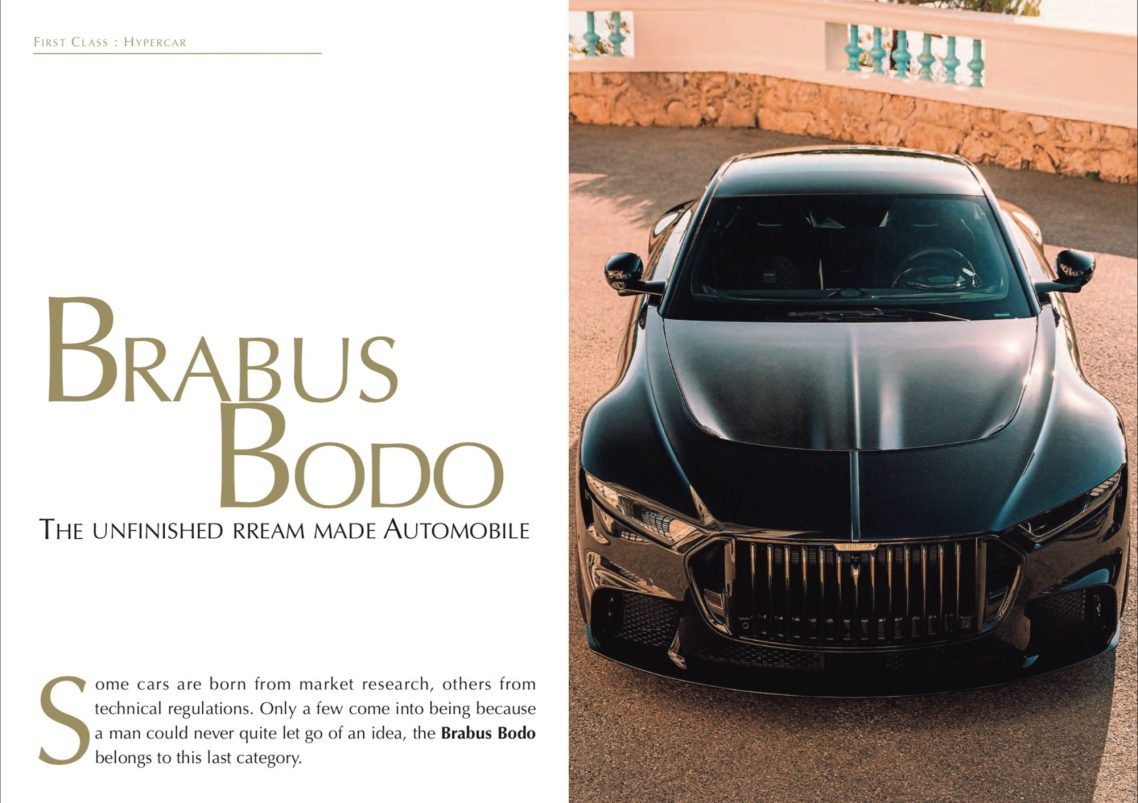
BRABUS BODO
The unfinished Dream made Automobile
Some cars are born from market research, others from technical regulations. Only a few come into being because a man could never quite let go of an idea, the Brabus Bodo belongs to this last category...
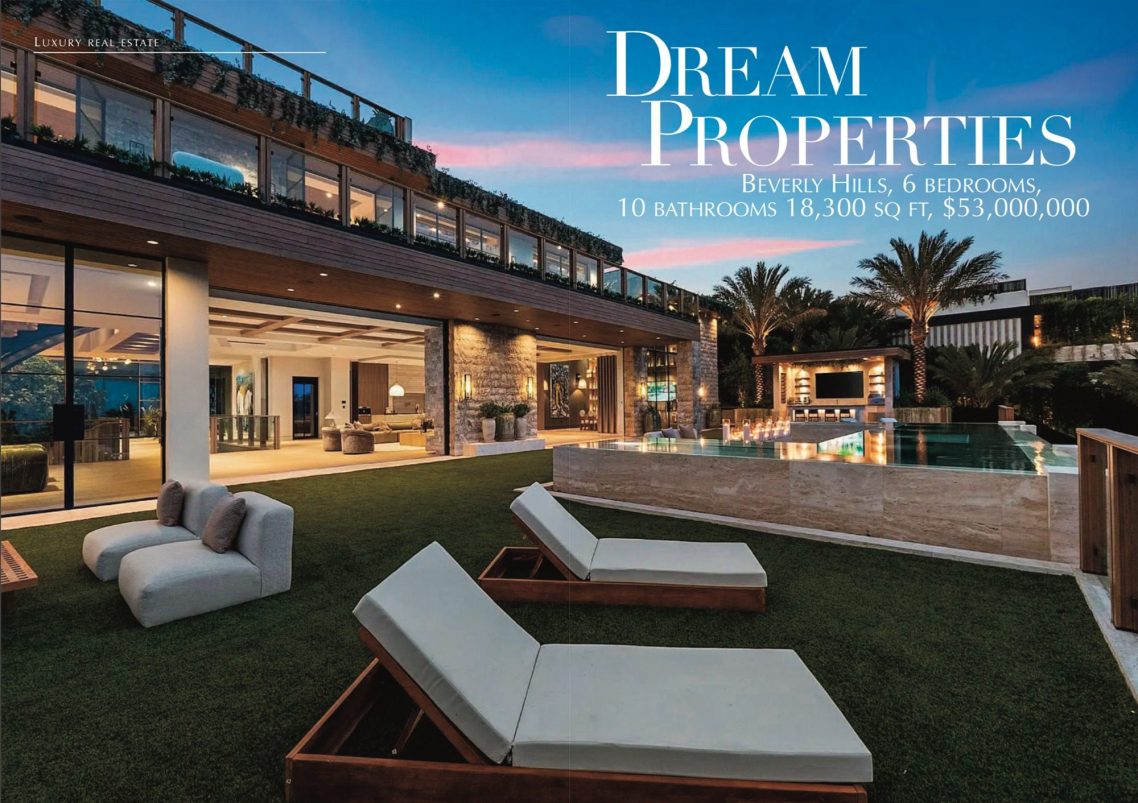
DREAM PROPERTIES
Beverly Hills, 6 bedrooms, 10 bathrooms
18,300 sq ft, $53,000,000
One of the most anticipated projects in the city's history, this sumptuous residence is a masterpiece of refinement, a transformative artistic vision by Ramtin Ray Nosrati, the renowned designer and developer, created for an elite clientele. Custom European furnishings are included in the sale...
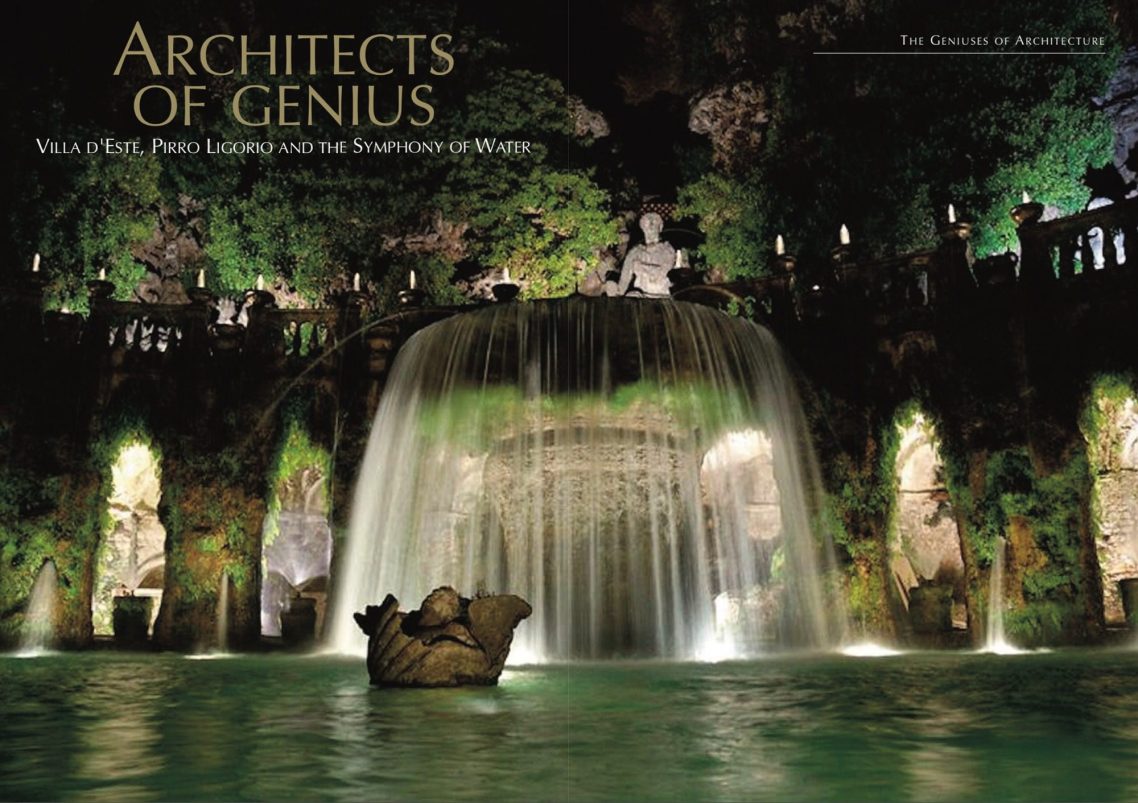
ARCHITECT OF GENIUS
Villa d'Este, Pirro Ligorio
and the Symphony of Water
There are some revenges that flow naturally. That of Ippolito II d'Este, Cardinal of Ferrara, son of Lucrezia Borgia, is one, quite literally. Five times a candidate for the throne of Saint Peter, five times passed over, the man could have sunk into the muted bitterness of disappointed courtiers. He chose another path: since Rome was denied him, he would bring the waters of the Aniene into his own garden, and make them sing, dance, roar, until the whole world came to admire them. Five centuries later,
the world still comes...
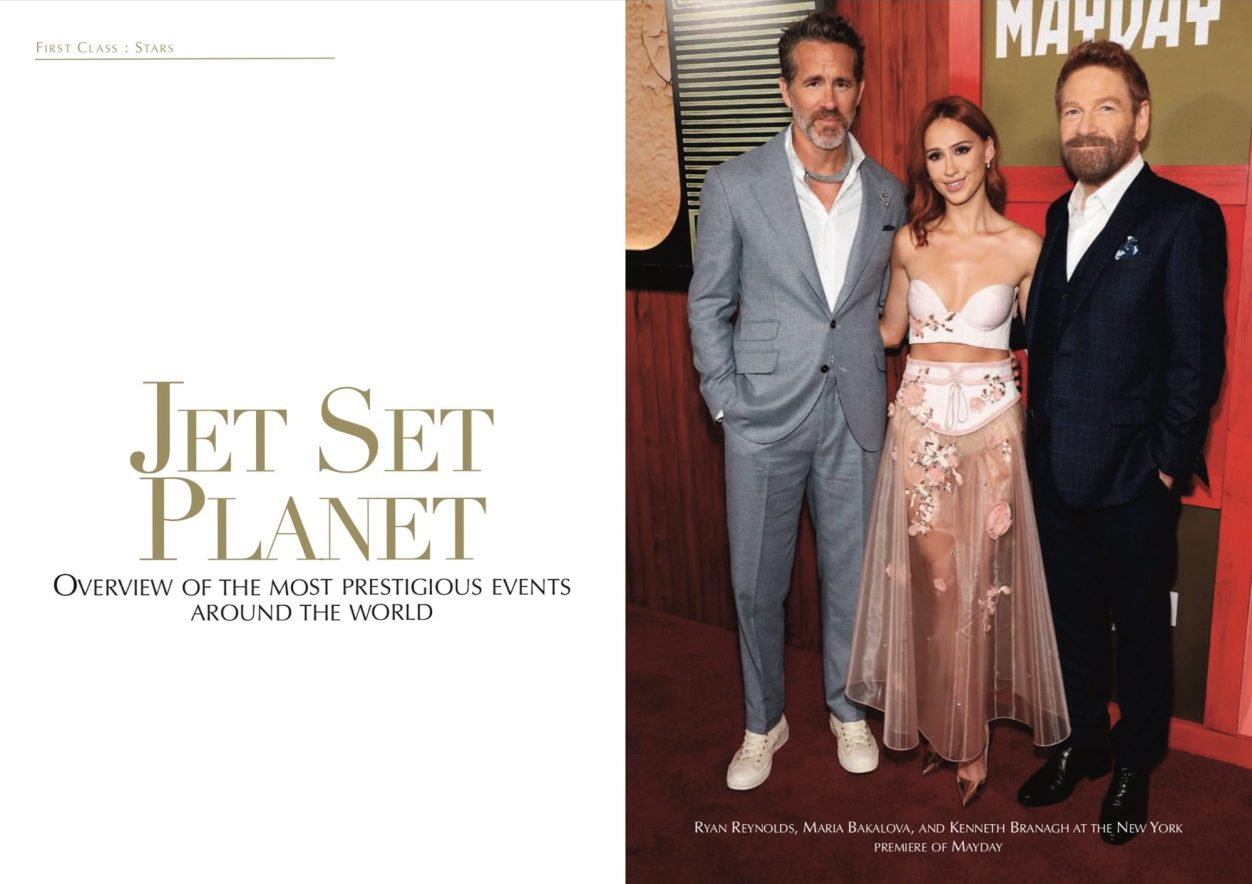
JET SET PLANET
Overview of the most prestigious events around the world…
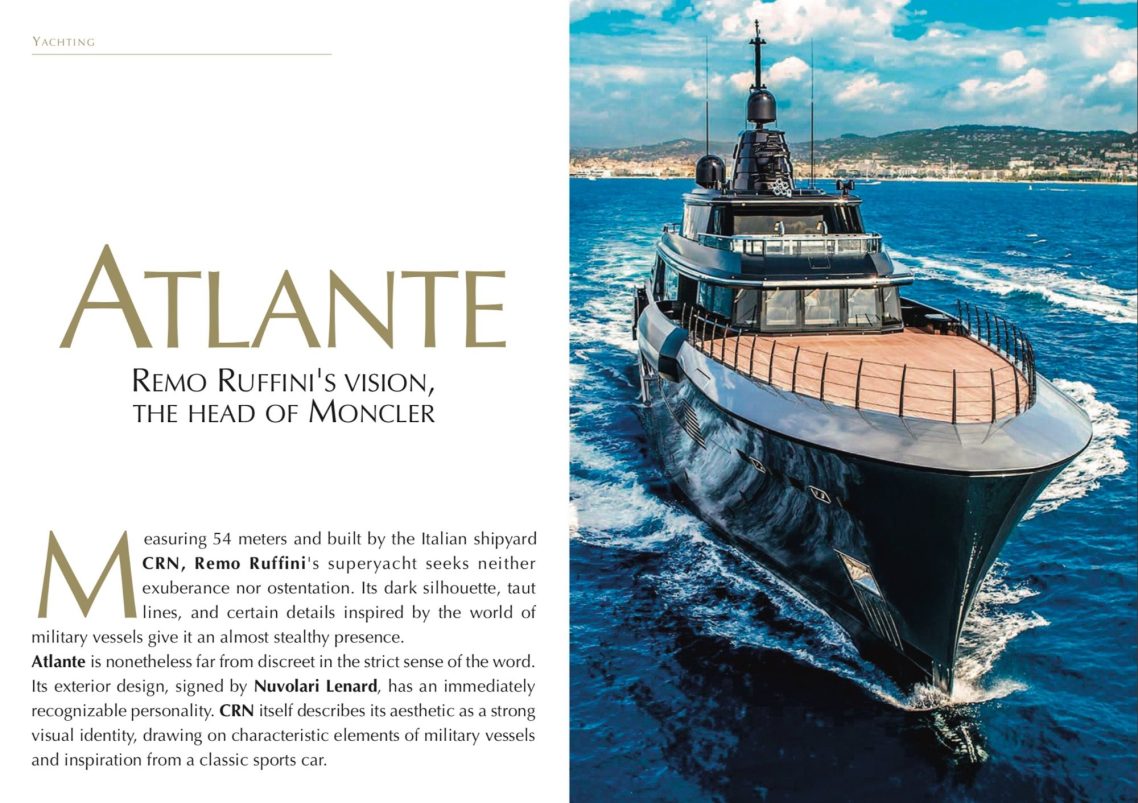
ATLANTE
Remo Ruffini's vision, the head of Moncler
Measuring 54 meters and built by the Italian shipyard CRN, Remo Ruffini's superyacht seeks neither exuberance nor ostentation. Its dark silhouette, taut lines, and certain details inspired by the world of military vessels give it an almost stealthy presence. Atlante is nonetheless far from discreet in the strict sense of the word. Its exterior design, signed by Nuvolari Lenard, has an immediately recognizable personality. CRN itself describes its aesthetic as a strong visual identity, drawing on characteristic elements of military vessels and inspiration from a classic sports car...
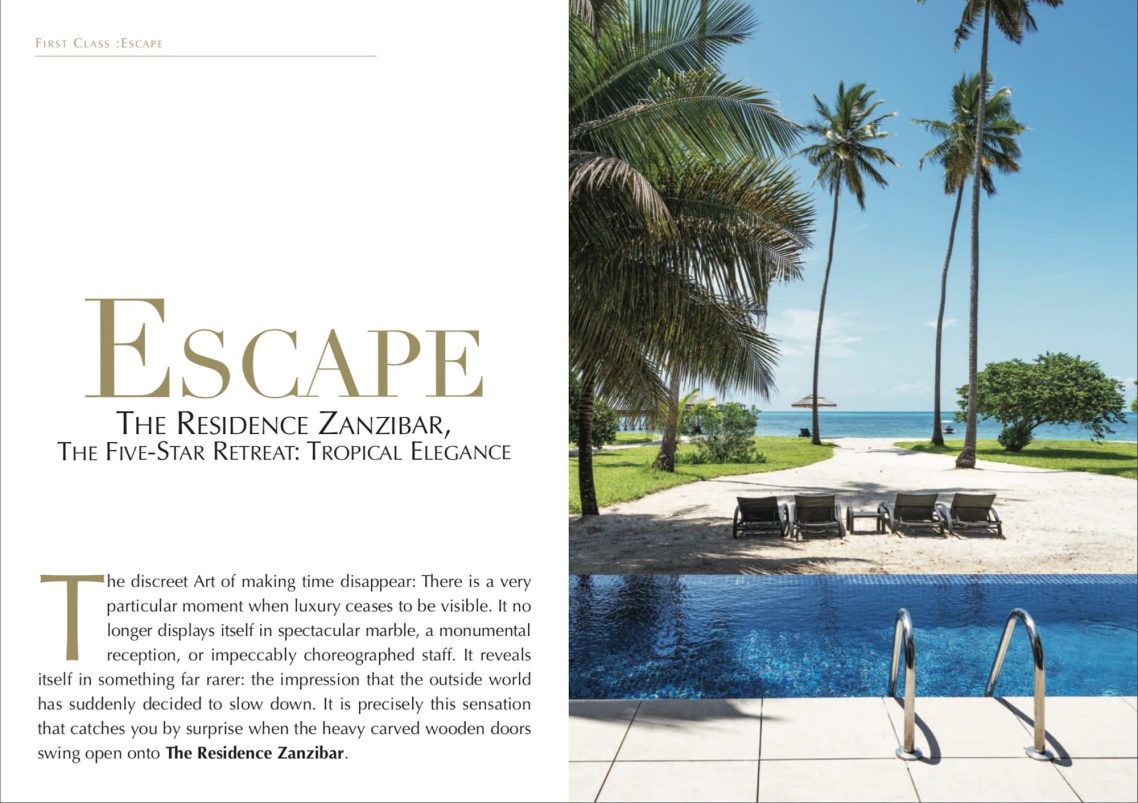
THE RESIDENCE ZANZIBAR
The Five-Star Retreat: Tropical Elegance
The discreet Art of making time disappear: There is a very particular moment when luxury ceases to be visible. It no longer displays itself in spectacular marble, a monumental reception, or impeccably choreographed staff. It reveals itself in something far rarer: the impression that the outside world has suddenly decided to slow down. It is precisely this sensation that catches you by surprise when the heavy carved wooden doors swing open onto
The Residence Zanzibar...
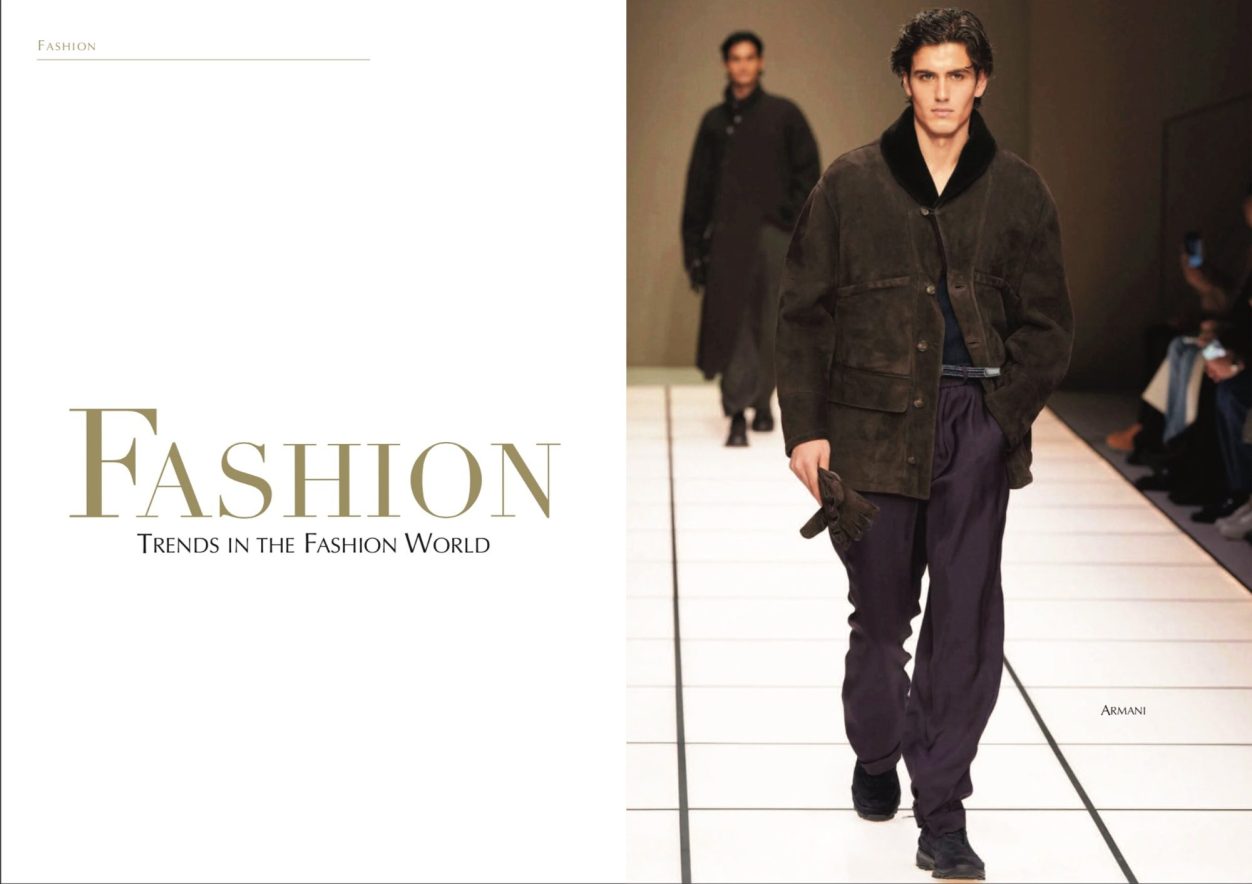
FASHION
TRENDS IN THE FASHION WORLD…
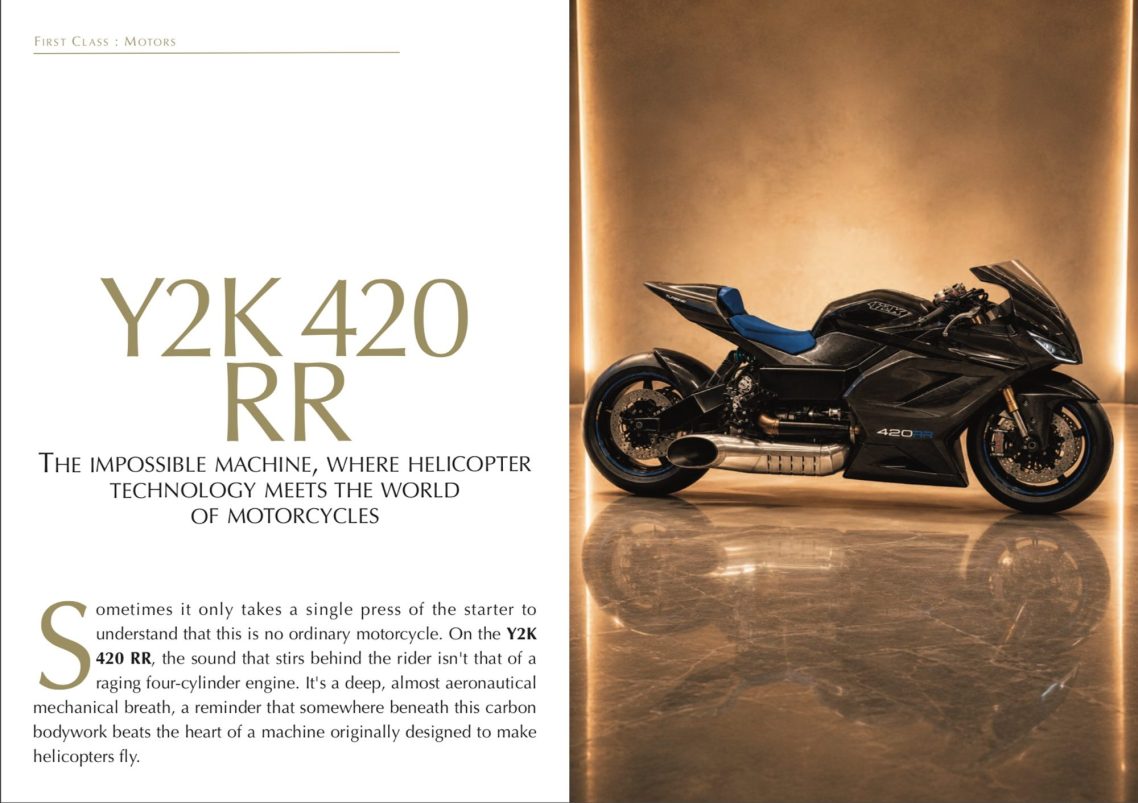
Y2K 420 RR
The impossible machine, where helicopter
technology meets the world of motorcycles
Sometimes it only takes a single press of the starter to understand that this is no ordinary motorcycle. On the Y2K 420 RR, the sound that stirs behind the rider isn't that of a raging four-cylinder engine. It's a deep, almost aeronautical mechanical breath, a reminder that somewhere beneath this carbon bodywork beats the heart of a machine originally designed to make helicopters fly...

EXCEPTIONAL WATCHES
THE FINEST TIMEPIECES BY JEWELER ARTISANS...
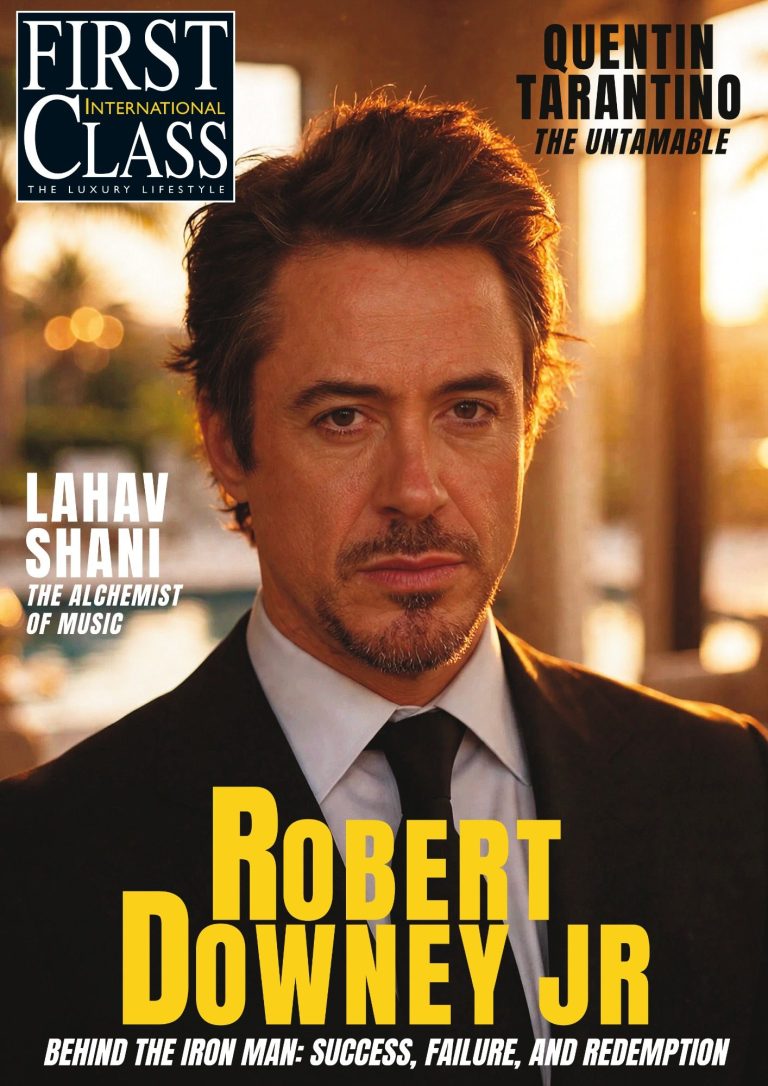
SEPTEMBER 2026
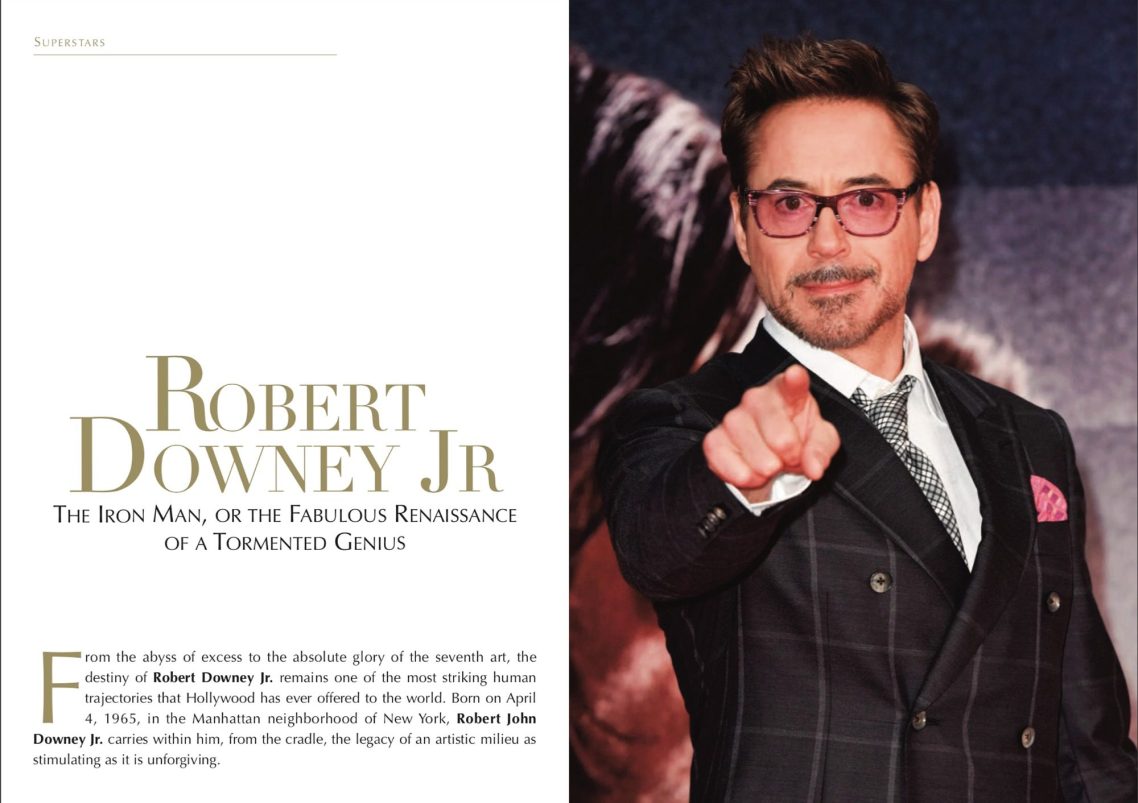
ROBERT DOWNEY JR
The Iron Man, or the fabulous renaissance
of a tormented genius
From the abyss of excess to the absolute glory of the seventh art, the destiny of Robert Downey Jr. remains one of the most striking human trajectories that Hollywood has ever offered to the world. Born on April 4, 1965, in the Manhattan neighborhood of New York, Robert John Downey Jr. carries within him, from the cradle, the legacy of an artistic milieu as stimulating as it is unforgiving...
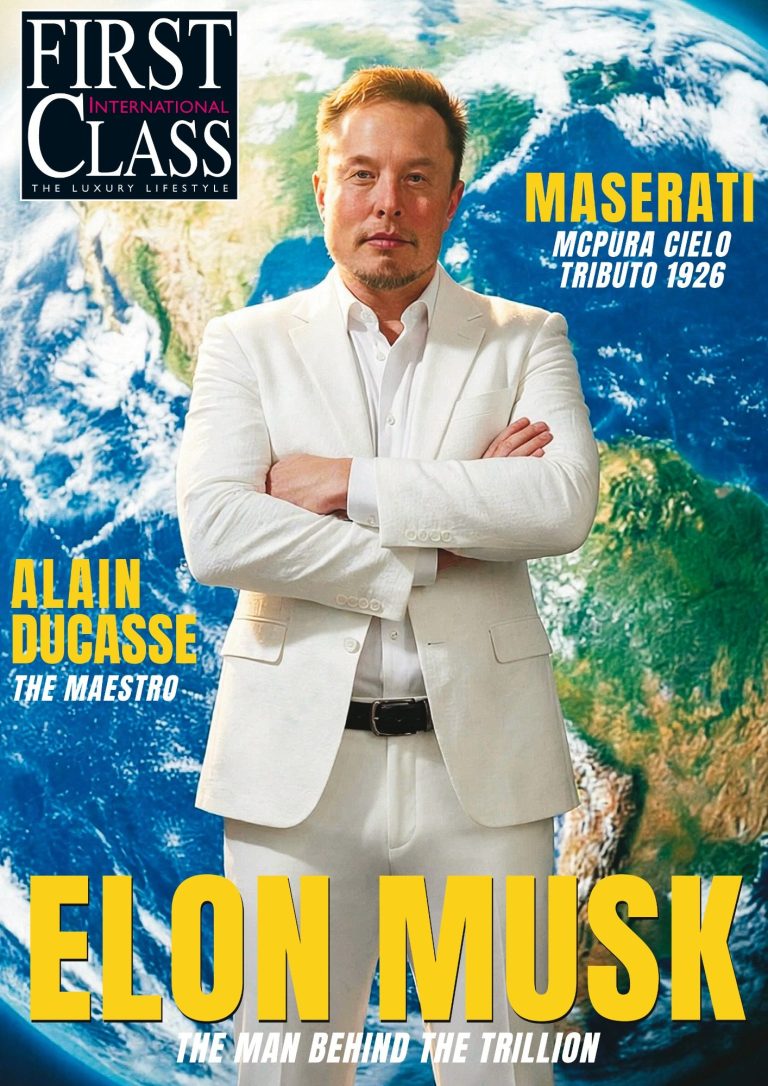
AUGUST 2026
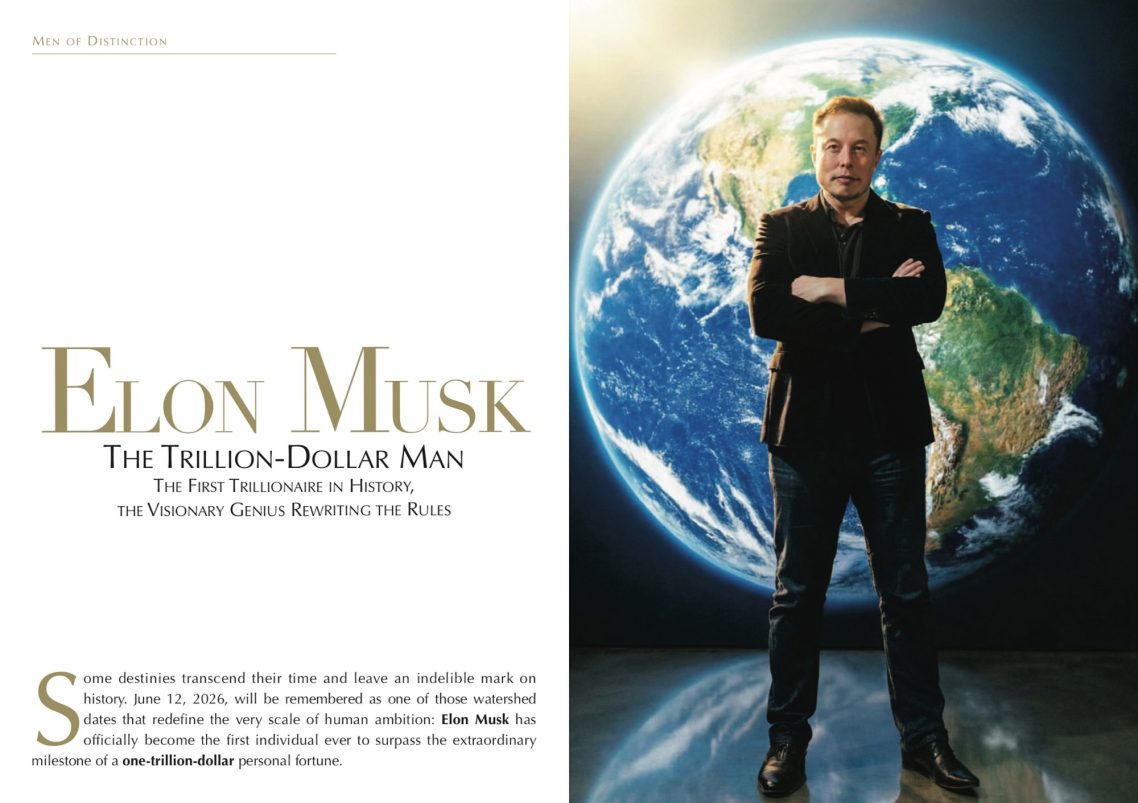
ELON MUSK
The Trillion Dollar Man
Some destinies transcend their time and leave an indelible mark on history. June 12, 2026, will be remembered as one of those watershed dates that redefine the very scale of human ambition: Elon Musk has officially become the first individual ever to surpass the extraordinary milestone of a one-trillion-dollar personal fortune...
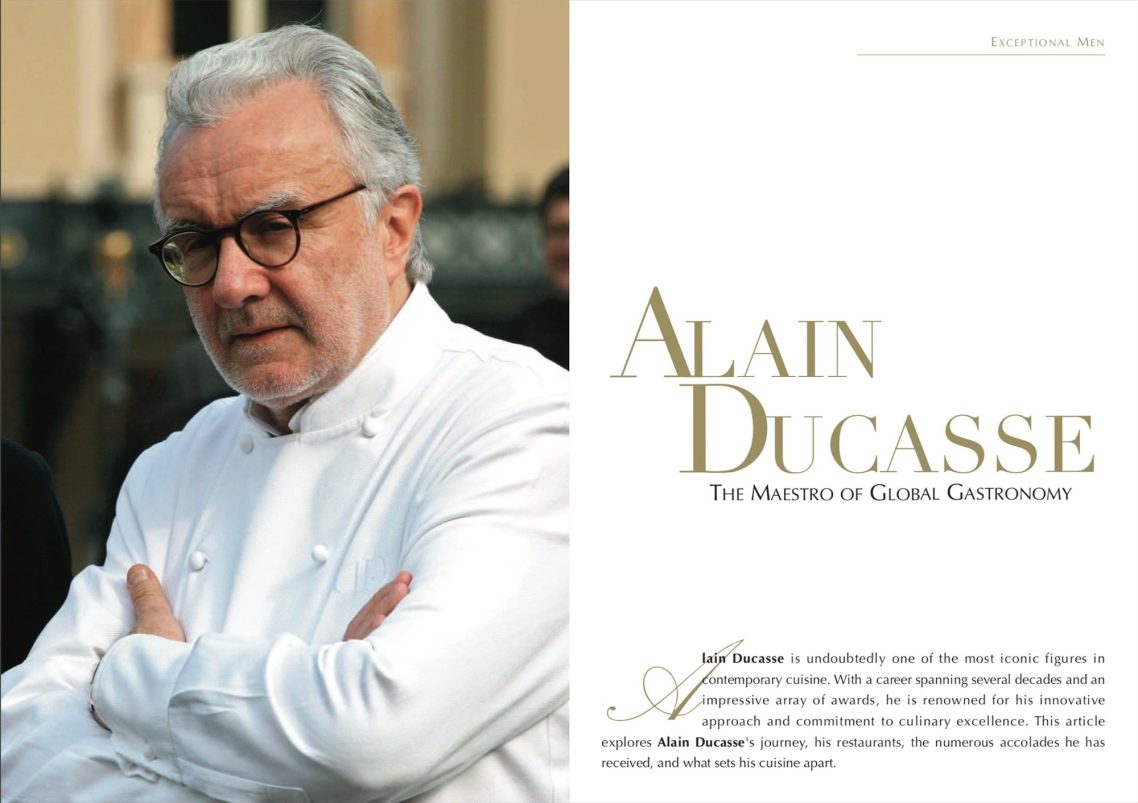
ALAIN DUCASSE
The Maestro of global Gastronomy
Alain Ducasse is undoubtedly one of the most iconic figures in contemporary cuisine. With a career spanning several decades and an impressive array of awards, he is renowned for his innovative approach and commitment to culinary excellence. This article explores Alain Ducasse's journey, his restaurants, the numerous accolades he has received, and what sets his cuisine apart...
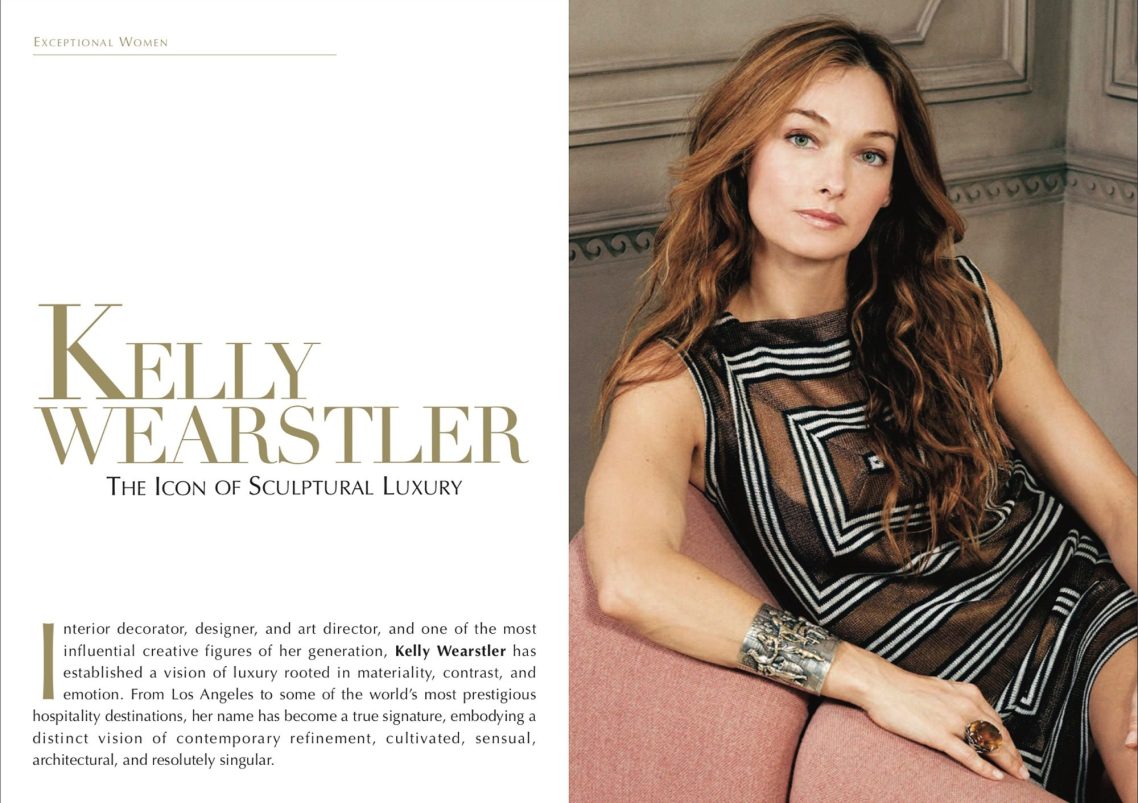
KELLY WEARSTLER
The Icon of Sculptural Luxury
Interior decorator, designer, and art director, and one of the most influential creative figures of her generation, Kelly Wearstler has established a vision of luxury rooted in materiality, contrast, and emotion. From Los Angeles to some of the world’s most prestigious hospitality destinations, her name has become a true signature, embodying a distinct vision of contemporary refinement, cultivated, sensual, architectural, and resolutely singular...
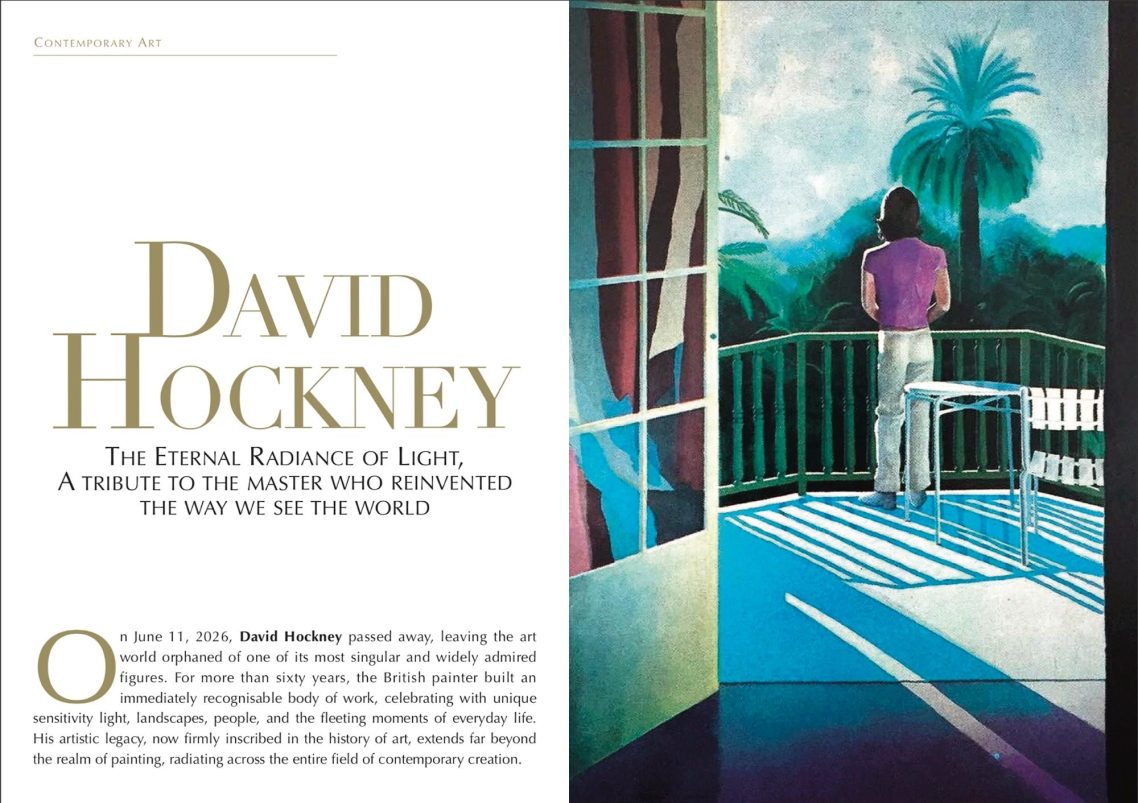
DAVID HOCKNEY
The eternal radiance of light
On June 11, 2026, David Hockney passed away, leaving the art world orphaned of one of its most singular and widely admired figures. For more than sixty years, the British painter built an immediately recognisable body of work, celebrating with unique sensitivity light, landscapes, people, and the fleeting moments of everyday life. His artistic legacy, now firmly inscribed in the history of art, extends far beyond the realm of painting, radiating across the entire field of contemporary creation...
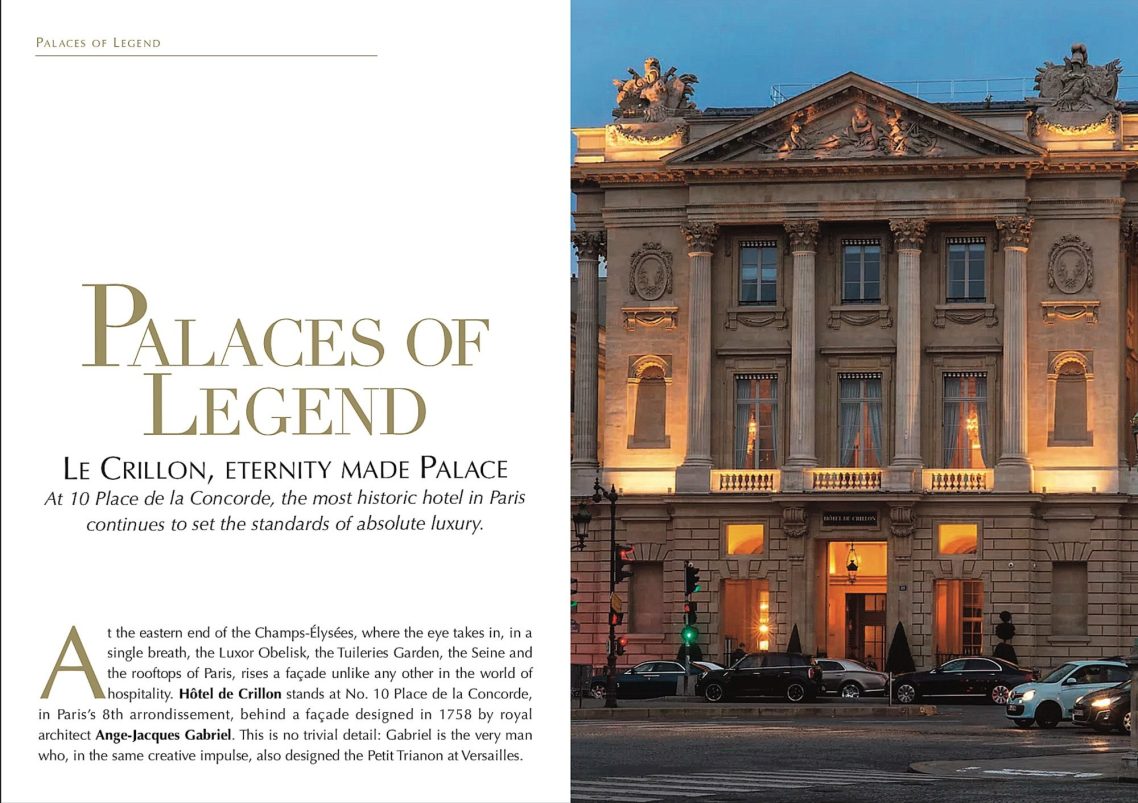
LE CRILLON
Eternity made Palace
At the eastern end of the Champs-Élysées, where the eye takes in, in a single breath, the Luxor Obelisk, the Tuileries Garden, the Seine and the rooftops of Paris, rises a façade unlike any other in the world of hospitality. Hôtel de Crillon stands at No. 10 Place de la Concorde, in Paris’s 8th arrondissement, behind a façade designed in 1758 by royal architect Ange-Jacques Gabriel. This is no trivial detail: Gabriel is the very man who, in the same creative impulse, also designed the Petit Trianon at Versailles...
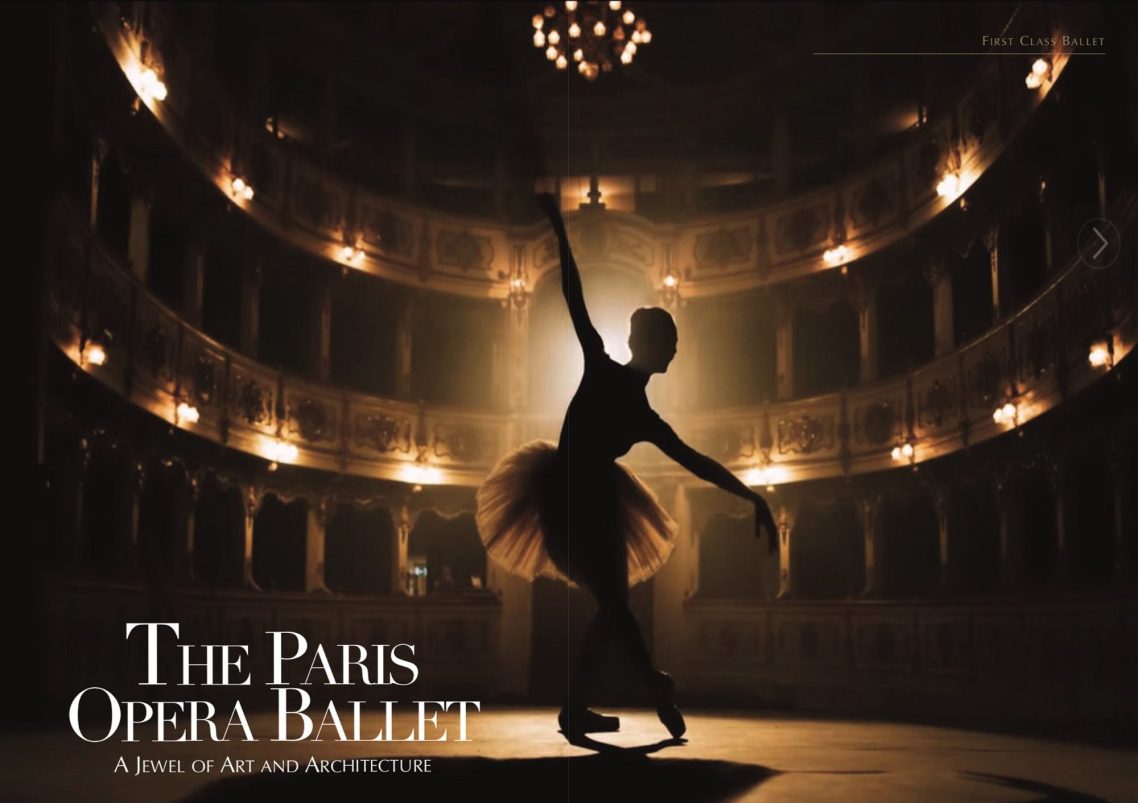
THE PARIS OPERA BALLET
A jewel of art and architecture
A History of Prestige: Founded in 1669 during the reign of Louis XIV, the Paris Opera Ballet is an iconic institution of French art. With over three centuries of existence, it represents a crucible of artistic excellence and tradition. In 1713, Louis XIV established the Paris Opera Ballet School, making the academy one of the oldest and most prestigious in the world. Over the centuries, the Ballet has evolved, incorporating diverse influences while preserving the essence of classical dance...
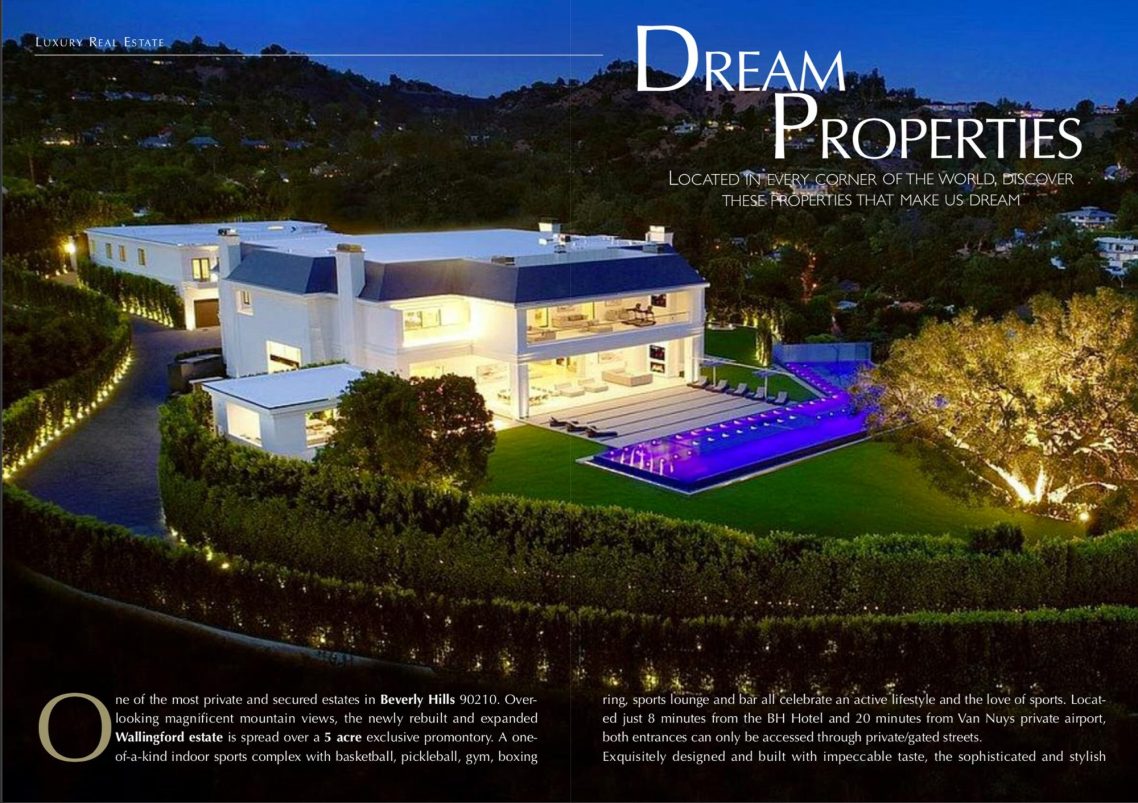
DREAM PROPERTIES
One of the most private and secured estates in Beverly Hills 90210. Overlooking magnificent mountain views, the newly rebuilt and expanded Wallingford estate is spread over a 5 acre exclusive promontory. A one-of-a-kind indoor sports complex with basketball, pickleball, gym, boxing ring, sports lounge and bar all celebrate an active lifestyle and the love of sports. Located just 8 minutes from the BH Hotel and 20 minutes from
Van Nuys private airport, both entrances can only be accessed
through private/gated streets...
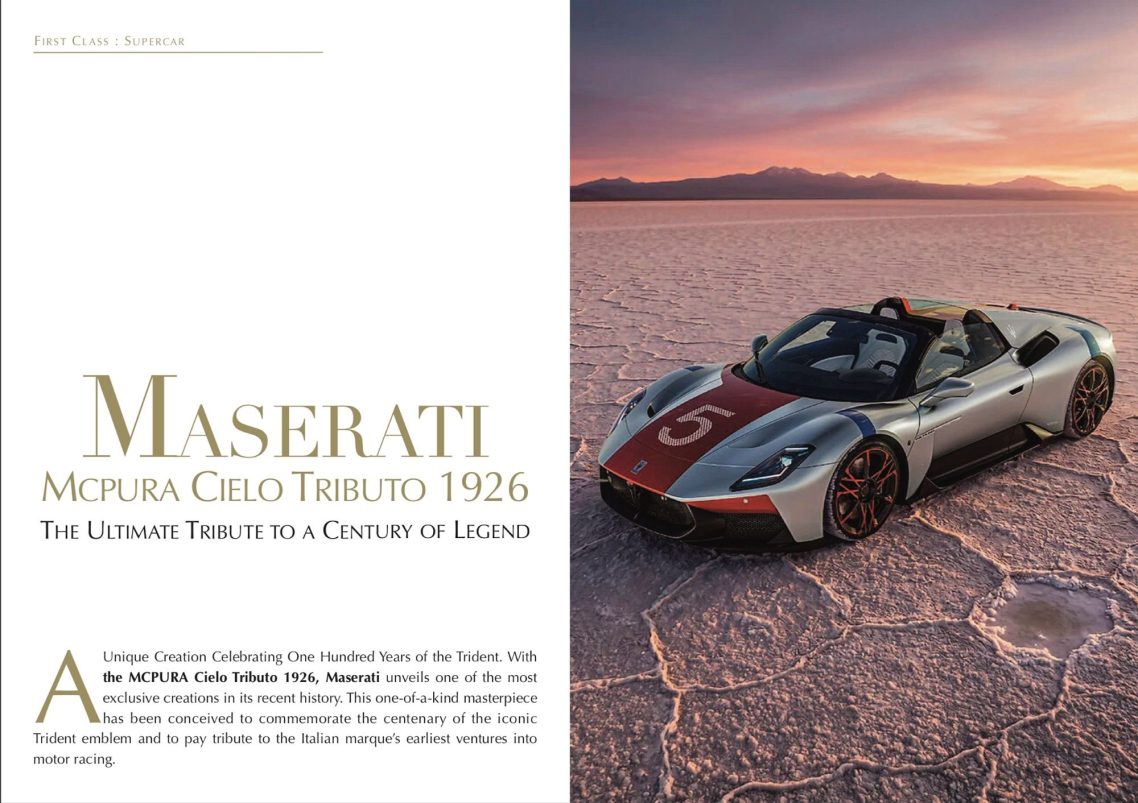
MASERATI
Mcpura Cielo Tributo 1926
A unique Creation Celebrating One Hundred Years of the Trident. With the MCPURA Cielo Tributo 1926, Maserati unveils one of the most exclusive creations in its recent history. This one-of-a-kind masterpiece has been conceived to commemorate the centenary of the iconic Trident emblem and to pay tribute to the Italian marque’s earliest ventures into motor racing...
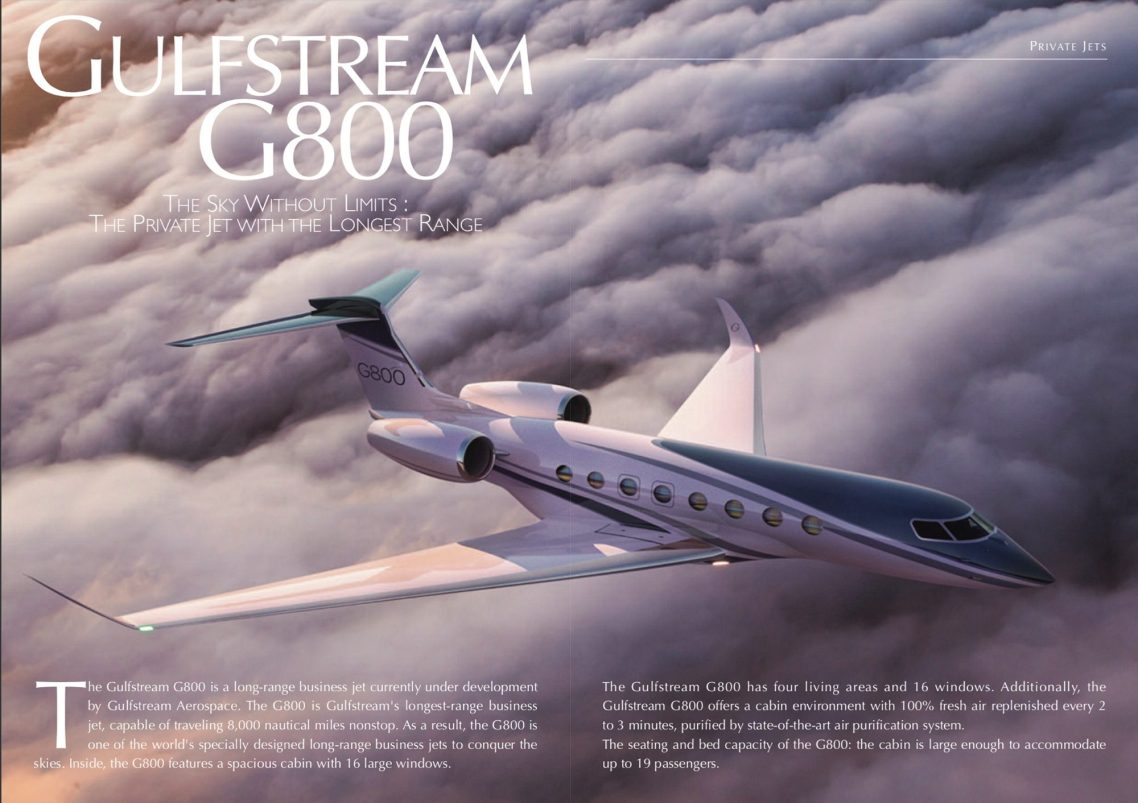
GULFSTREAM
G800
The Gulfstream G800 is a long-range business jet currently under development by Gulfstream Aerospace. The G800 is Gulfstream's longest-range business jet, capable of traveling 8,000 nautical miles nonstop. As a result, the G800 is one of the world's specially designed long-range business jets to conquer the skies. Inside, the G800 features a spacious cabin with 16 large windows. The Gulfstream G800 has four living areas and 16 windows. Additionally, the Gulfstream G800 offers a cabin environment with 100% fresh air replenished every 2 to 3 minutes, purified by state-of-the-art air purification system. The seating and bed capacity of the G800: the cabin is large enough to accommodate up to 19 passengers...
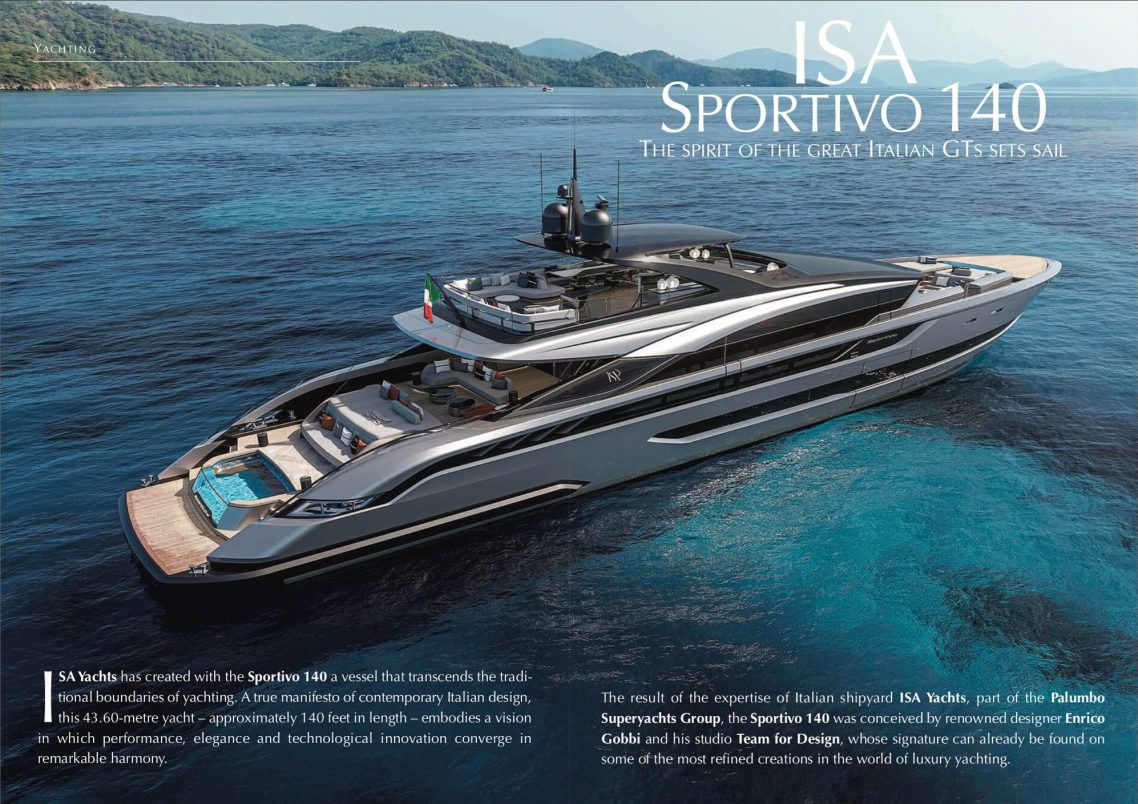
ISA SPORTIVO 140
ISA Yachts has created with the Sportivo 140 a vessel that transcends the traditional boundaries of yachting. A true manifesto of contemporary Italian design, this 43.60-metre yacht – approximately 140 feet in length – embodies a vision in which performance, elegance and technological innovation converge in remarkable harmony...
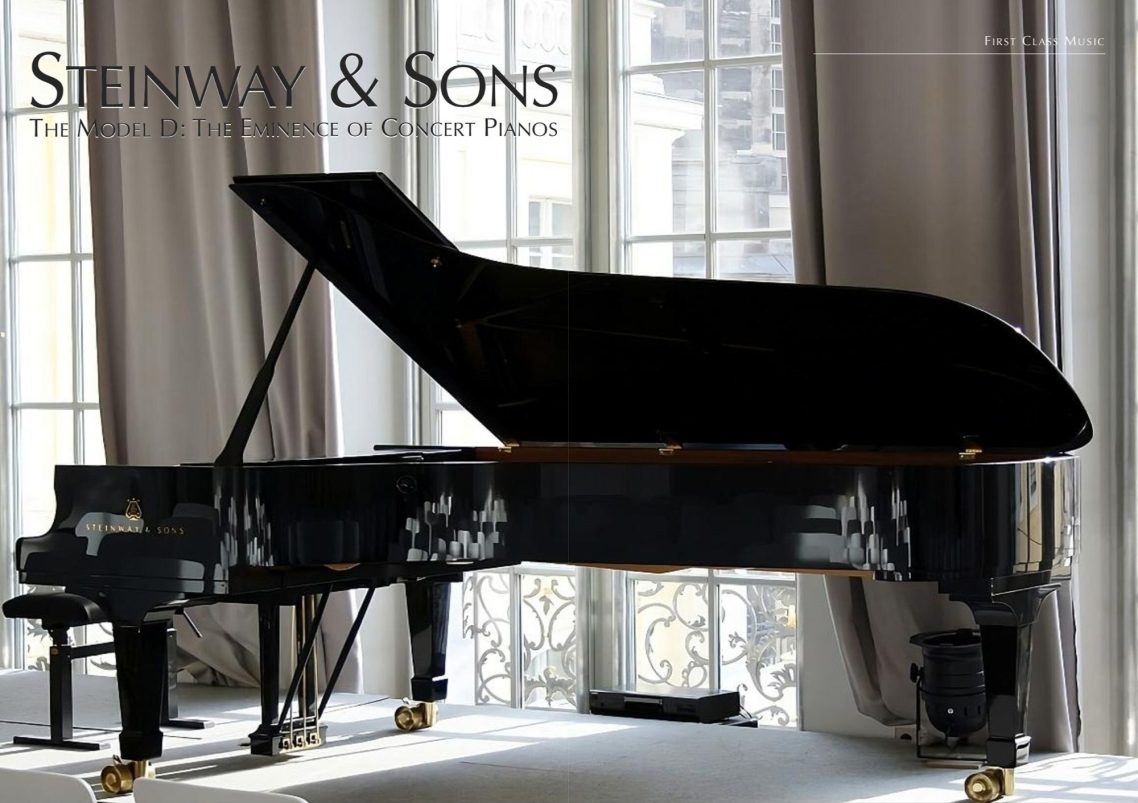
STEINWAY & SONS
The model D
For decades, the world of classical music has been undeniably influenced by the imposing presence of the Steinway Model D. Regarded as the epitome of piano craftsmanship, this model embodies unparalleled excellence, representing the quintessence of musical performance...
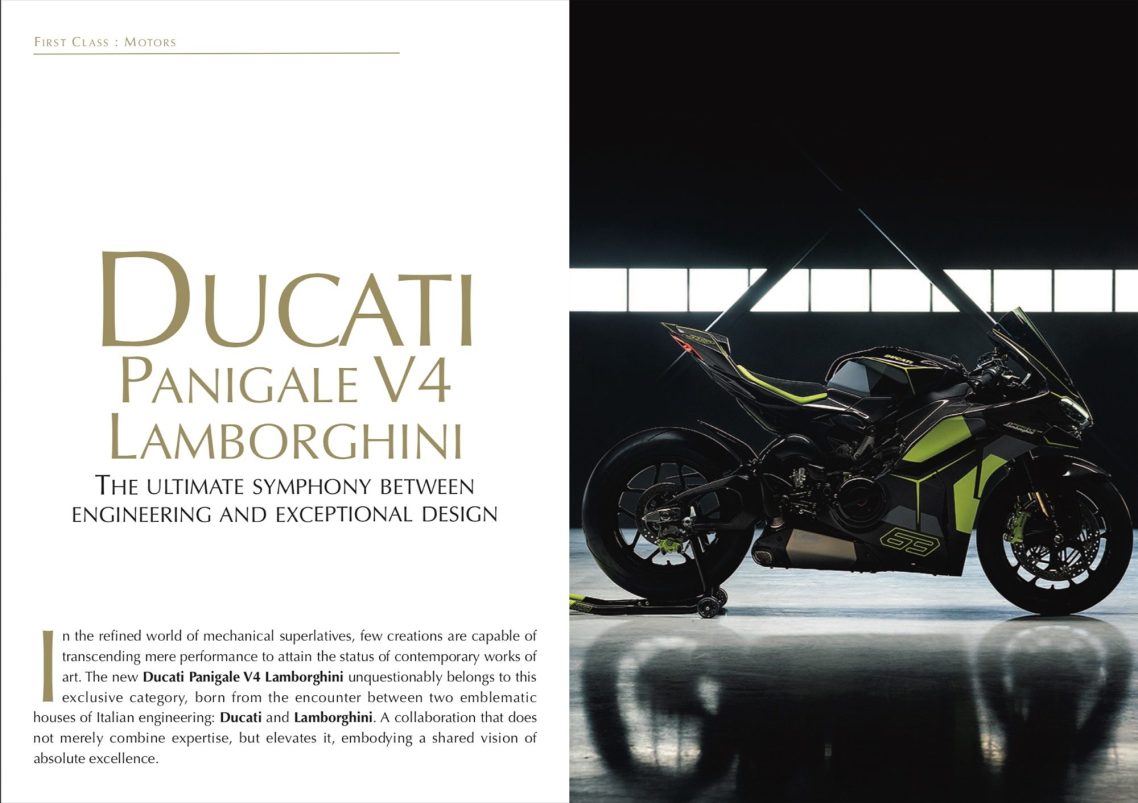
DUCATI
PANIGALE V4 LAMBORGHINI
In the refined world of mechanical superlatives, few creations are capable of transcending mere performance to attain the status of contemporary works of art. The new Ducati Panigale V4 Lamborghini unquestionably belongs to this exclusive category, born from the encounter between two emblematic houses of Italian engineering: Ducati and Lamborghini. A collaboration that does not merely combine expertise, but elevates it, embodying a shared vision of absolute excellence...
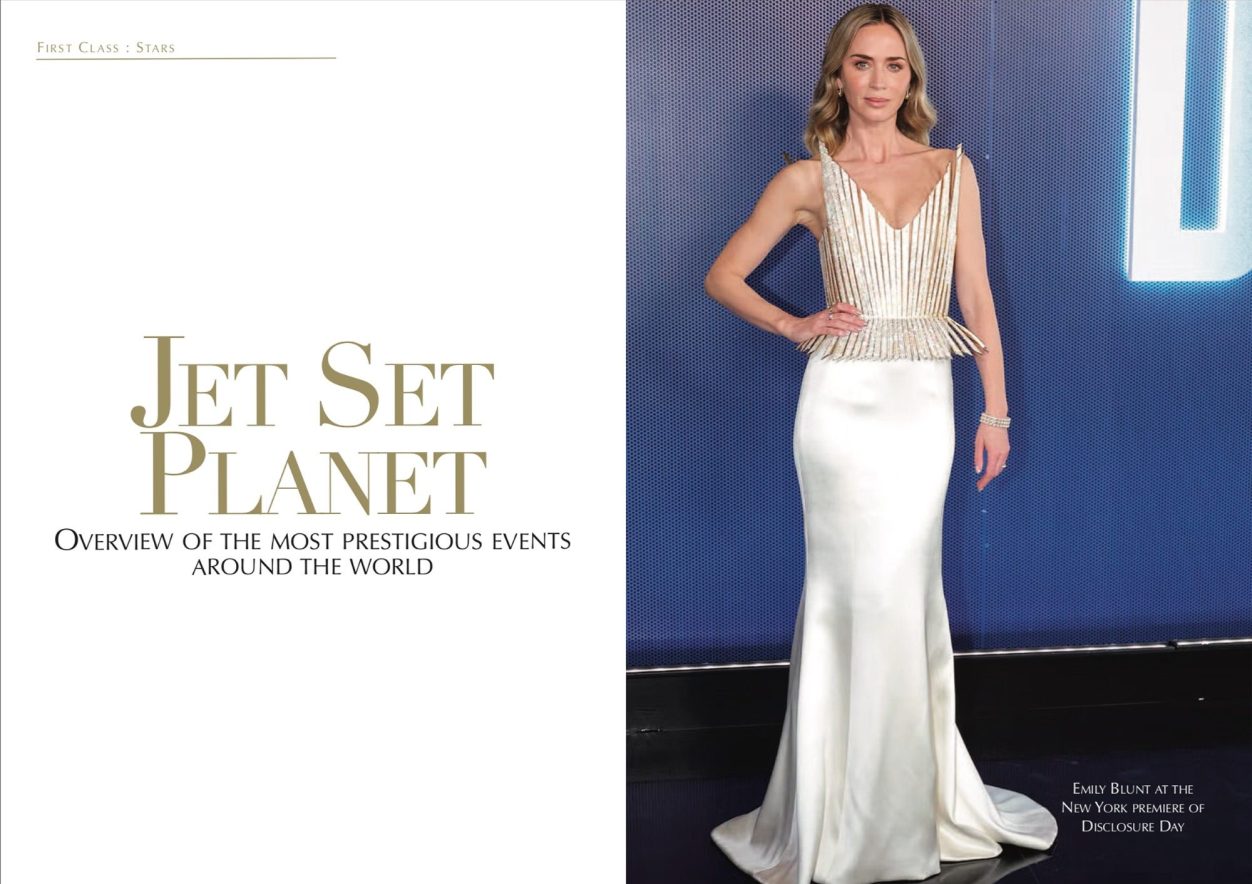
JET SET PLANET
Overview of the most prestigious events around the world…
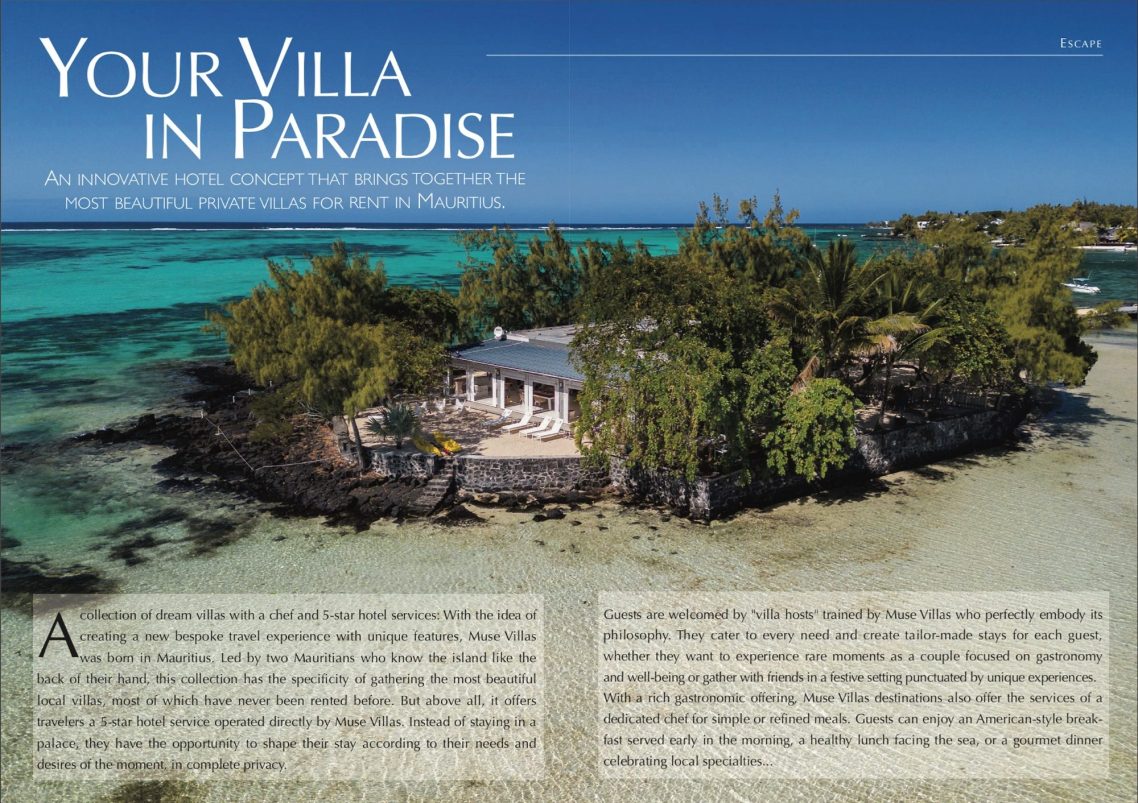
ESCAPE
Your Villa in Paradise
A collection of dream villas with a chef and 5-star hotel services: With the idea of creating a new bespoke travel experience with unique features, Muse Villas was born in Mauritius. Led by two Mauritians who know the island like the back of their hand, this collection has the specificity of gathering the most beautiful local villas, most of which have never been rented before. But above all, it offers travelers a 5-star hotel service operated directly by Muse Villas. Instead of staying in a palace, they have the opportunity to shape their stay according to their needs and desires of the moment, in complete privacy...
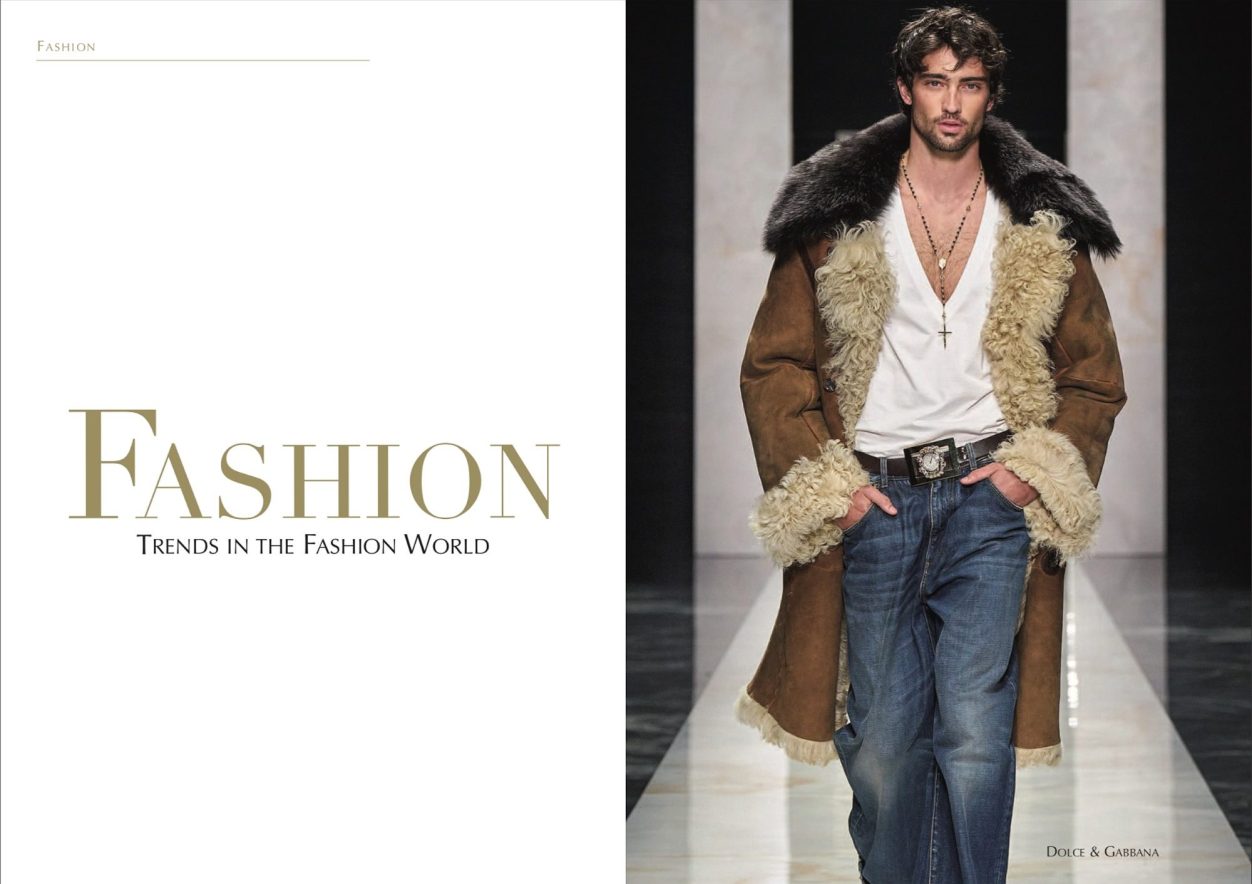
FASHION
TRENDS IN THE FASHION WORLD…

HIGH TECH
The pinnacle of the home cinema...
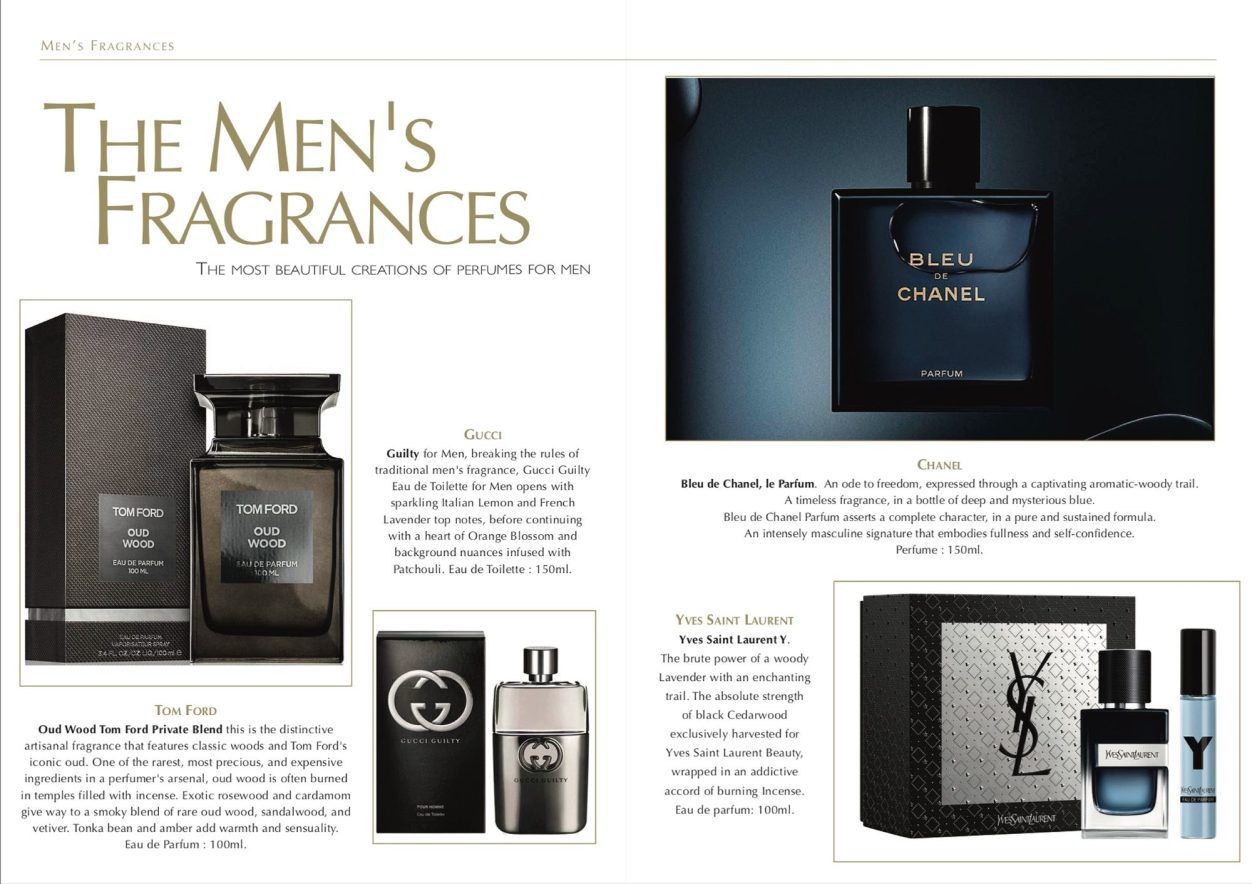
THE MEN'S FRAGRANCES...
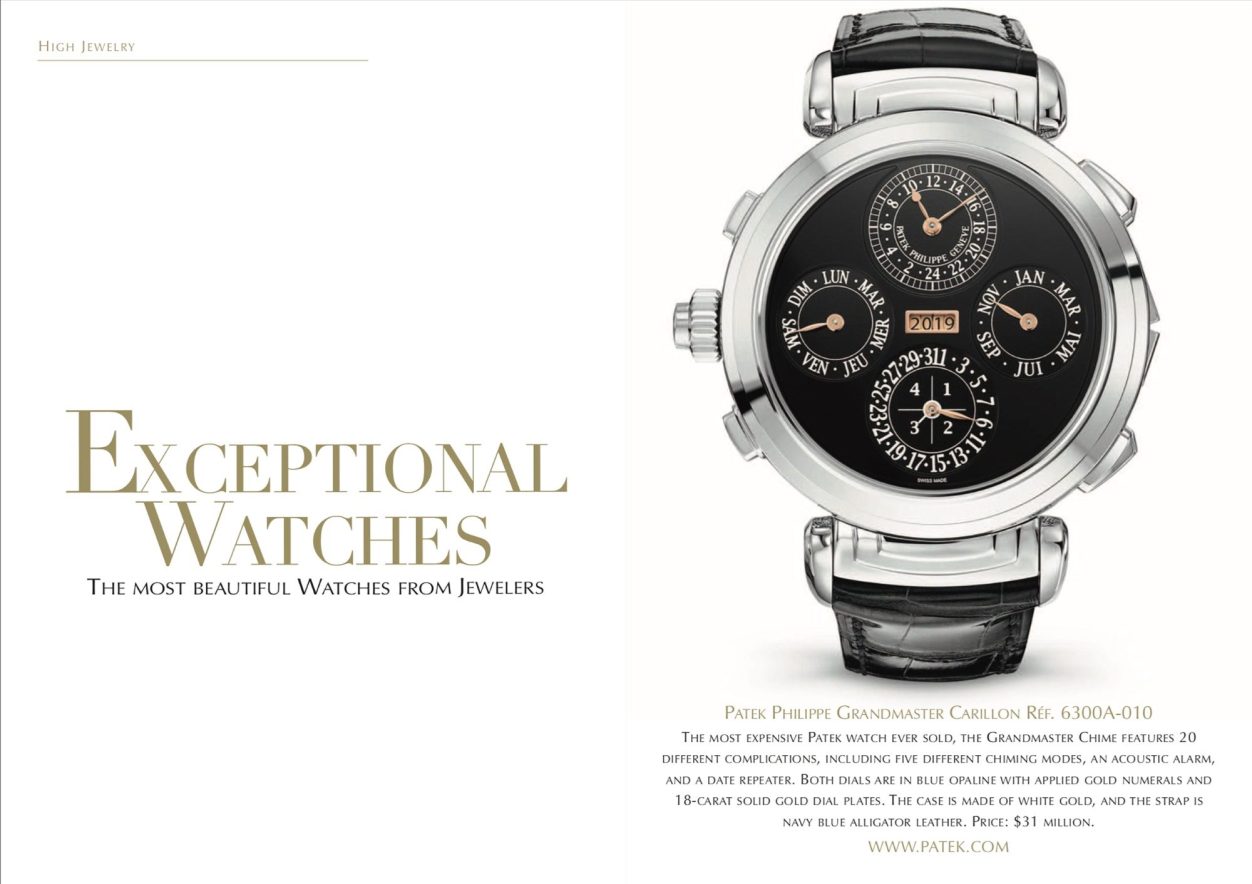
EXCEPTIONAL WATCHES
THE FINEST TIMEPIECES BY JEWELER ARTISANS...
JULY 2026
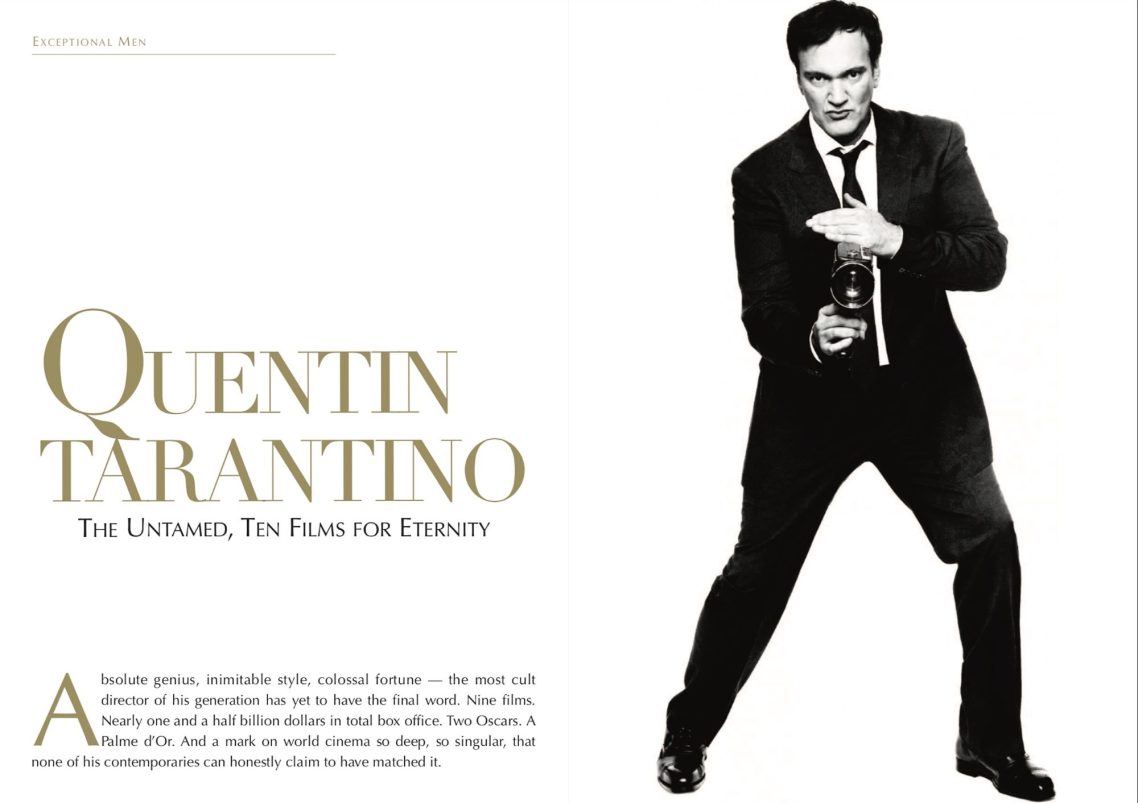
QUENTIN TARENTINO
The untamed, ten films for eternity
Absolute genius, inimitable style, colossal fortune — the most cult director of his generation has yet to have the final word. Nine films. Nearly one and a half billion dollars in total box office. Two Oscars. A Palme d’Or. And a mark on world cinema so deep, so singular, that none of his contemporaries can honestly claim to have matched it...
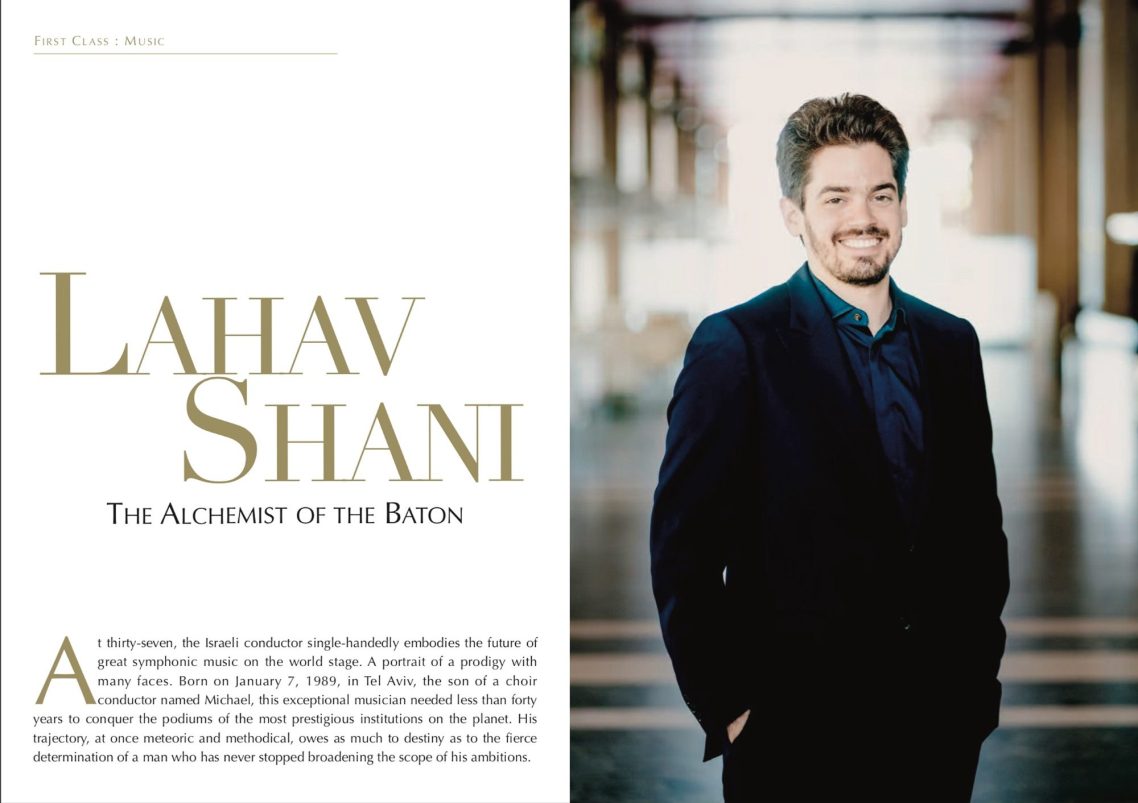
LAHAV SHANI
The Alchemist of the Baton
At thirty-seven, the Israeli conductor single-handedly embodies the future of great symphonic music on the world stage. A portrait of a prodigy with many faces. Born on January 7, 1989, in Tel Aviv, the son of a choir conductor named Michael, this exceptional musician needed less than forty years to conquer the podiums of the most prestigious institutions on the planet...
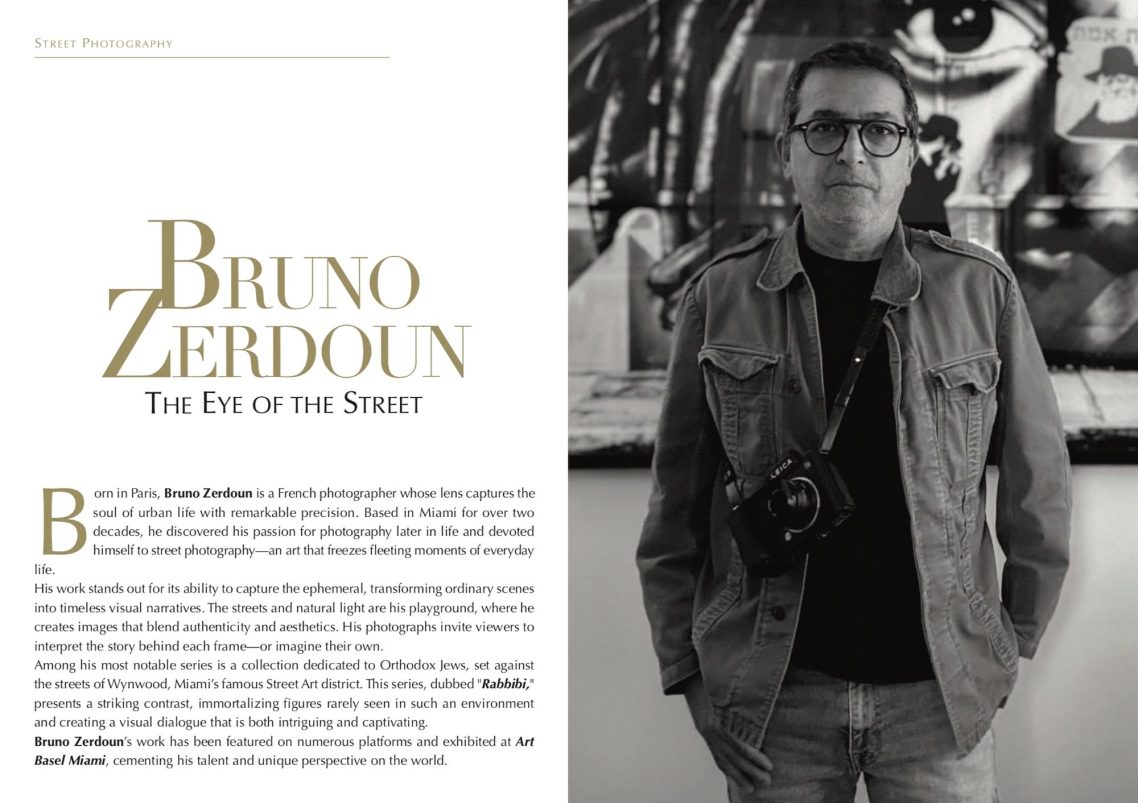
BRUNO ZERDOUN
The eye of the street
Born in Paris, Bruno Zerdoun is a French photographer whose lens captures the soul of urban life with remarkable precision.
Based in Miami for over two decades, he discovered his passion
for photography later in life and devoted himself to street photography, an art that freezes fleeting moments of
everyday life...
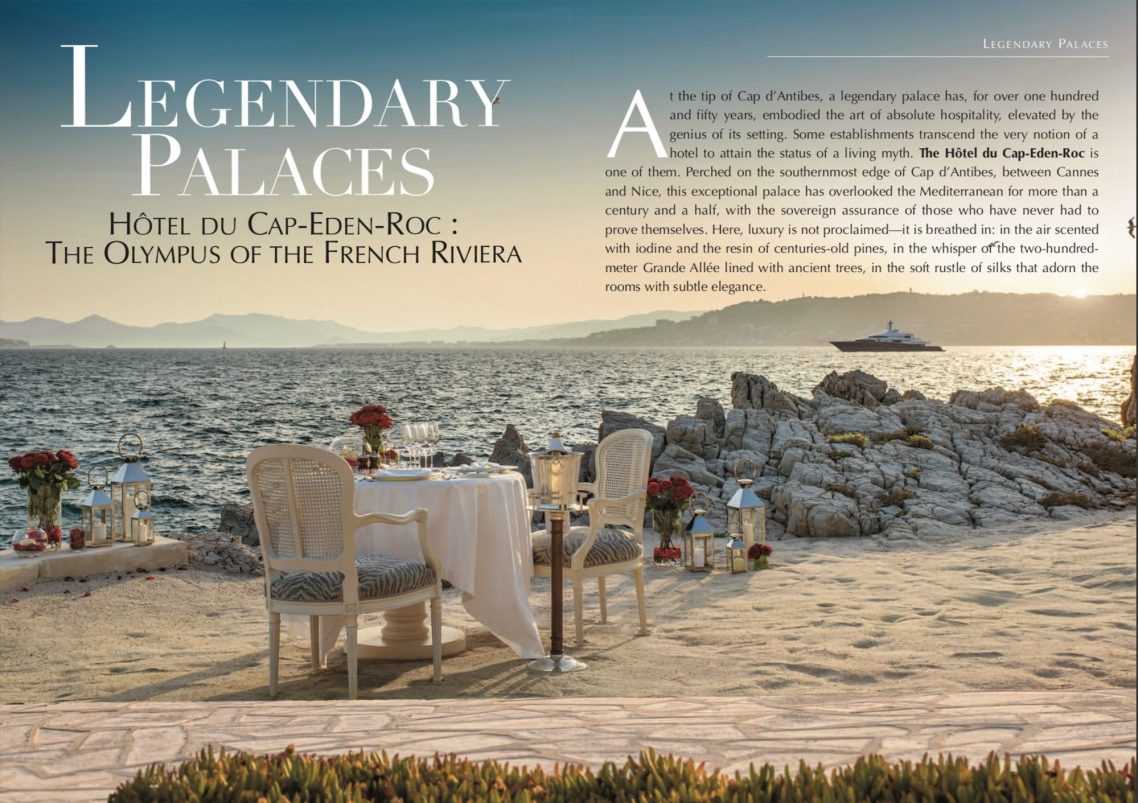
HOTEL DU CAP EDEN ROC
The Olympus of the french Riviera
At the tip of Cap d’Antibes, a legendary palace has, for over one hundred and fifty years, embodied the art of absolute hospitality, elevated by the genius of its setting. Some establishments transcend the very notion of a hotel to attain the status of a living myth. The Hôtel du Cap-Eden-Roc is one of them...
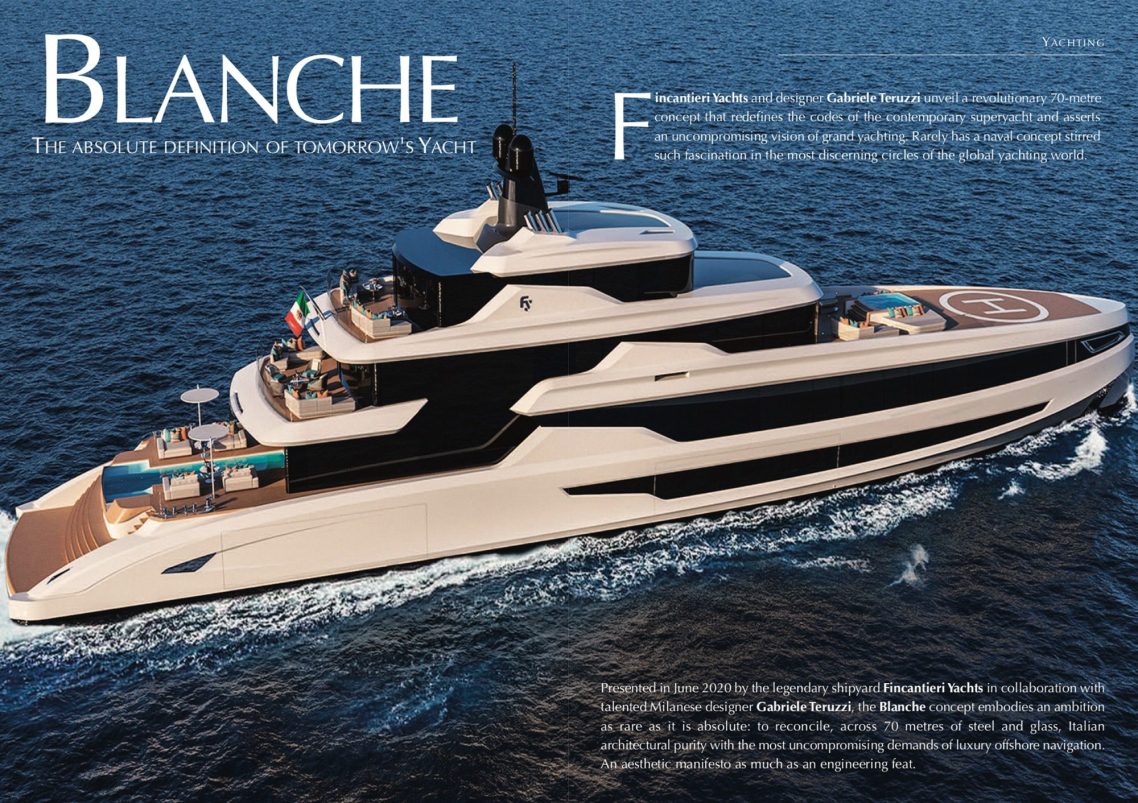
BLANCHE
The absolute definition of tomorrow's Yacht
Fincantieri Yachts and designer Gabriele Teruzzi unveil a revolutionary 70-metre concept that redefines the codes of the contemporary superyacht and asserts an uncompromising vision of grand yachting. Rarely has a naval concept stirred such fascination in the most discerning circles of the global yachting world...
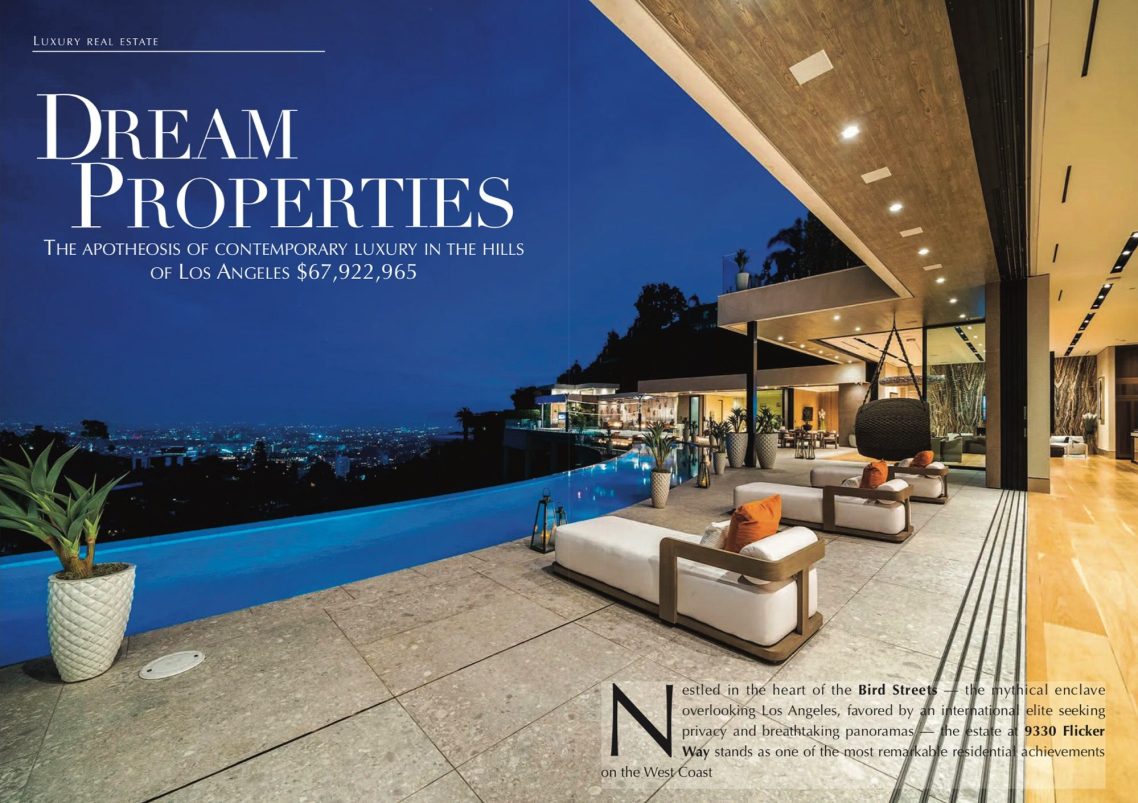
DREAM PROPERTIES
The apotheosis of contemporary luxury in the hills
of Los Angeles $67,922,965
Nestled in the heart of the Bird Streets — the mythical enclave overlooking Los Angeles, favored by an international elite seeking privacy and breathtaking panoramas, the estate at 9330 Flicker Way stands as one of the most remarkable residential achievements on the West Coast...
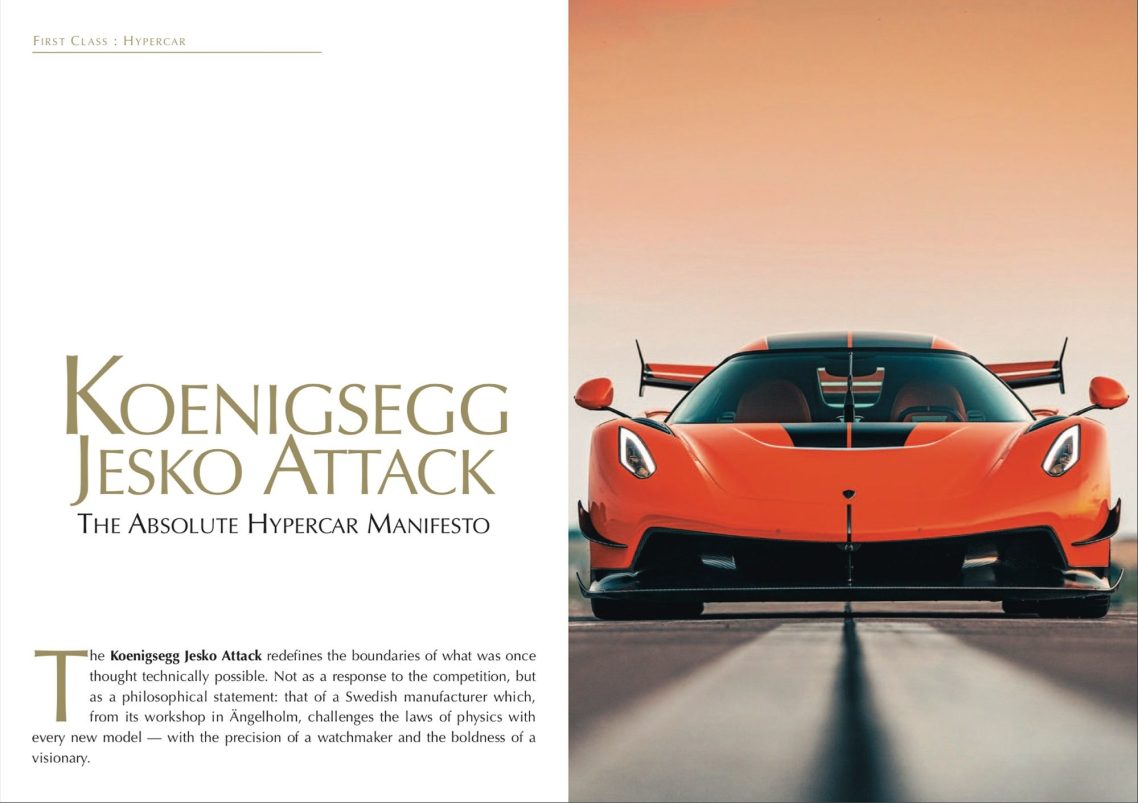
KOENIGSEGG
Jesko Attack
The Koenigsegg Jesko Attack redefines the boundaries of what was once thought technically possible. Not as a response to the competition, but as a philosophical statement: that of a Swedish manufacturer which, from its workshop in Ängelholm, challenges the laws of physics with every new model — with the precision of a watchmaker and the boldness of a visionary...
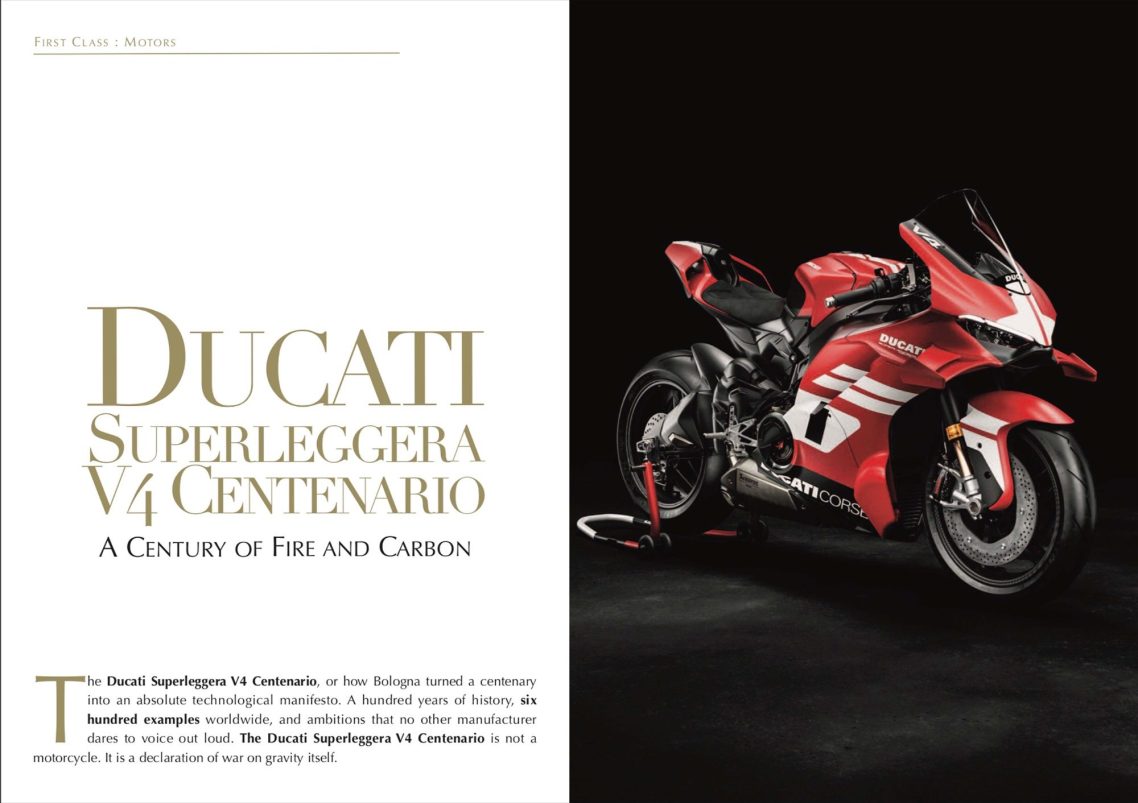
DUCATI SUPERLEGGERA V4 CENTENARIO
A Century of Fire and Carbon
The Ducati Superleggera V4 Centenario, or how Bologna turned a centenary into an absolute technological manifesto. A hundred years of history, six hundred examples worldwide, and ambitions that no other manufacturer dares to voice out loud. The Ducati Superleggera V4 Centenario is not a motorcycle. It is a declaration of war on gravity itself...
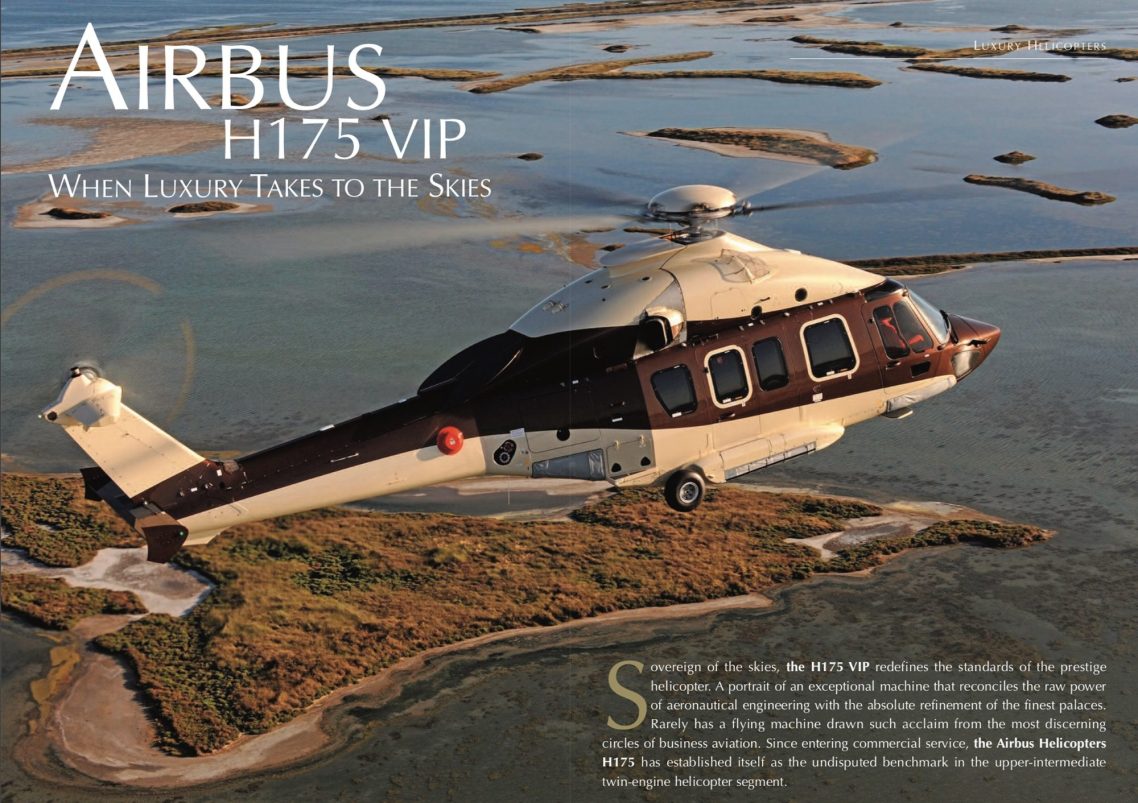
AIRBUS H175 VIP
When luxury takes to the skies
Sovereign of the skies, the H175 VIP redefines the standards of the prestige helicopter. A portrait of an exceptional machine that reconciles the raw power of aeronautical engineering with the absolute refinement of the finest palaces. Rarely has a flying machine drawn such acclaim from the most discerning circles of business aviation. Since entering commercial service, the Airbus Helicopters H175 has established itself as the undisputed benchmark in the upper-intermediate twin-engine helicopter segment...
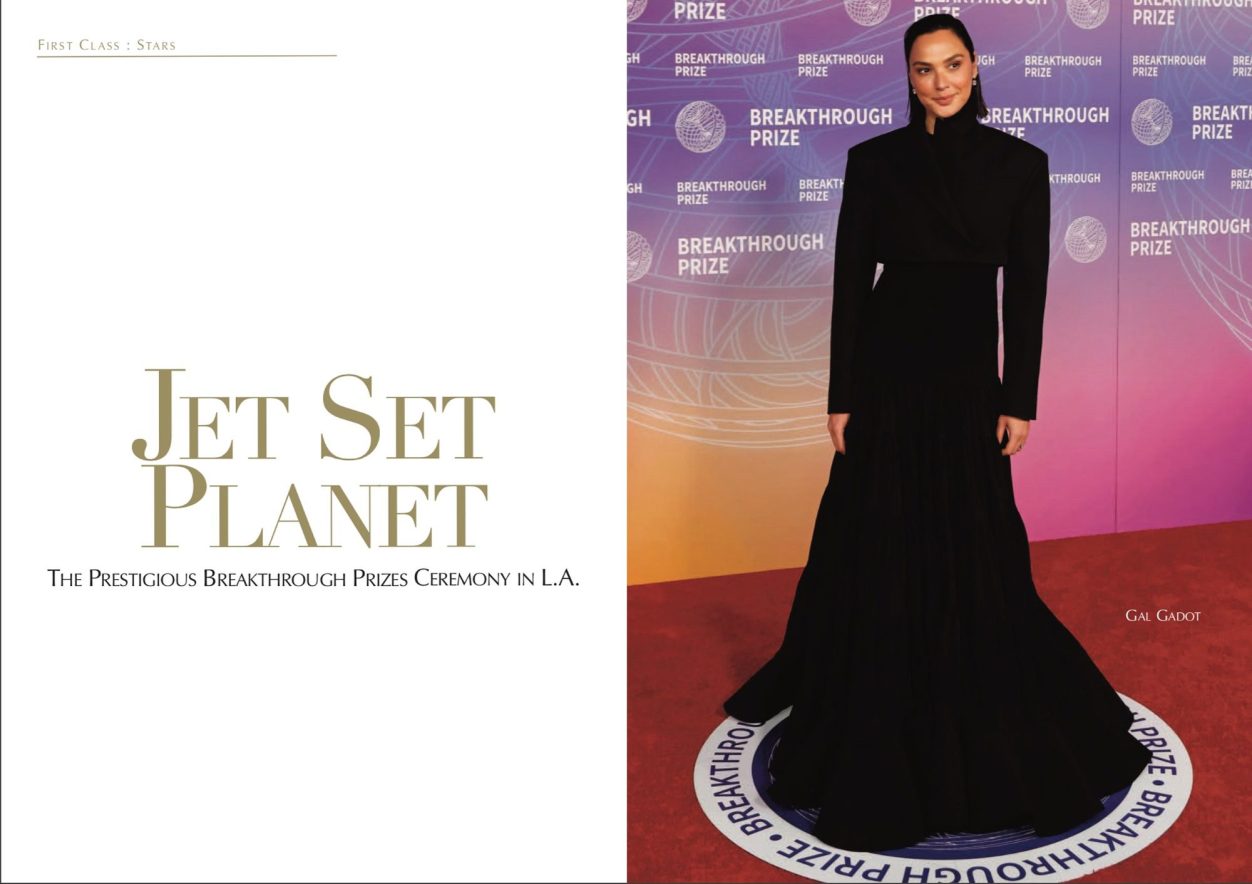
JET SET PLANET
Overview of the most prestigious events around the world…
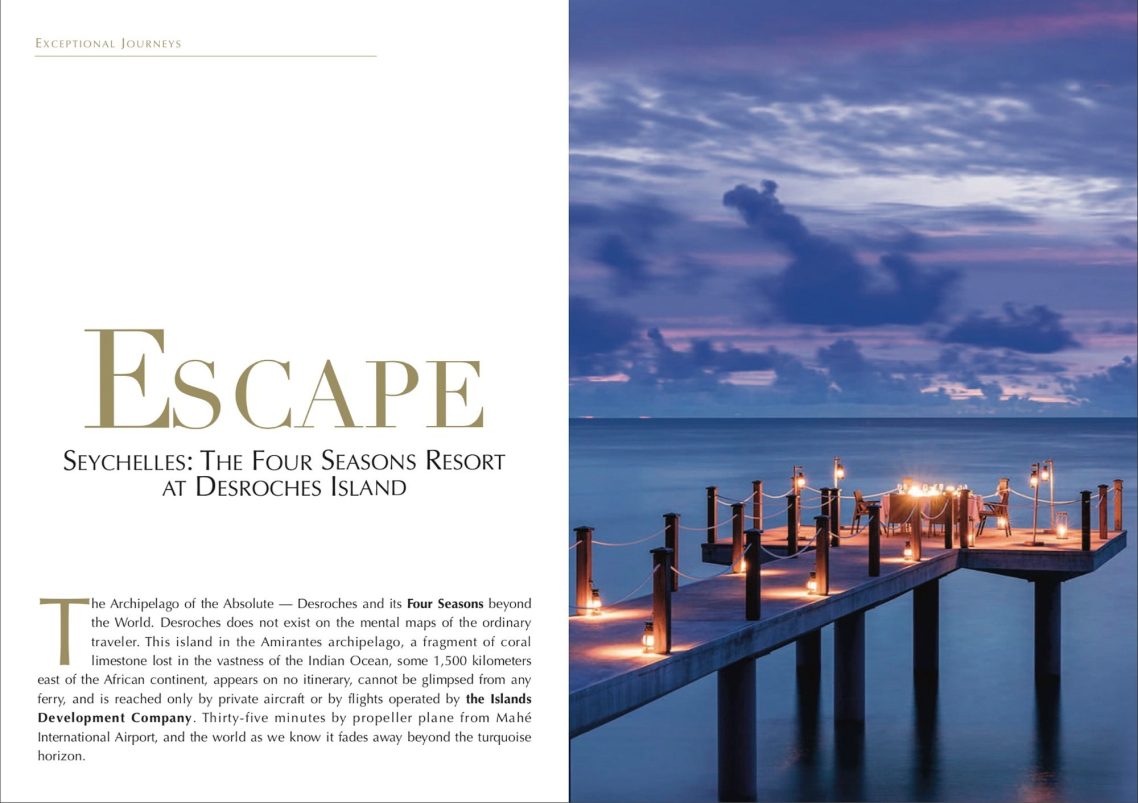
SEYCHELLES
The Four Seasons Resort at Desroches Island
The Archipelago of the Absolute — Desroches and its Four Seasons beyond the World. Desroches does not exist on the mental maps of the ordinary traveler. This island in the Amirantes archipelago, a fragment of coral limestone lost in the vastness of the Indian Ocean, some 1,500 kilometers east of the African continent, appears on no itinerary, cannot be glimpsed from any ferry, and is reached only by private aircraft or by flights operated by the Islands Development Company. Thirty-five minutes by propeller plane from Mahé International Airport, and the world as we know it fades away beyond the turquoise horizon...
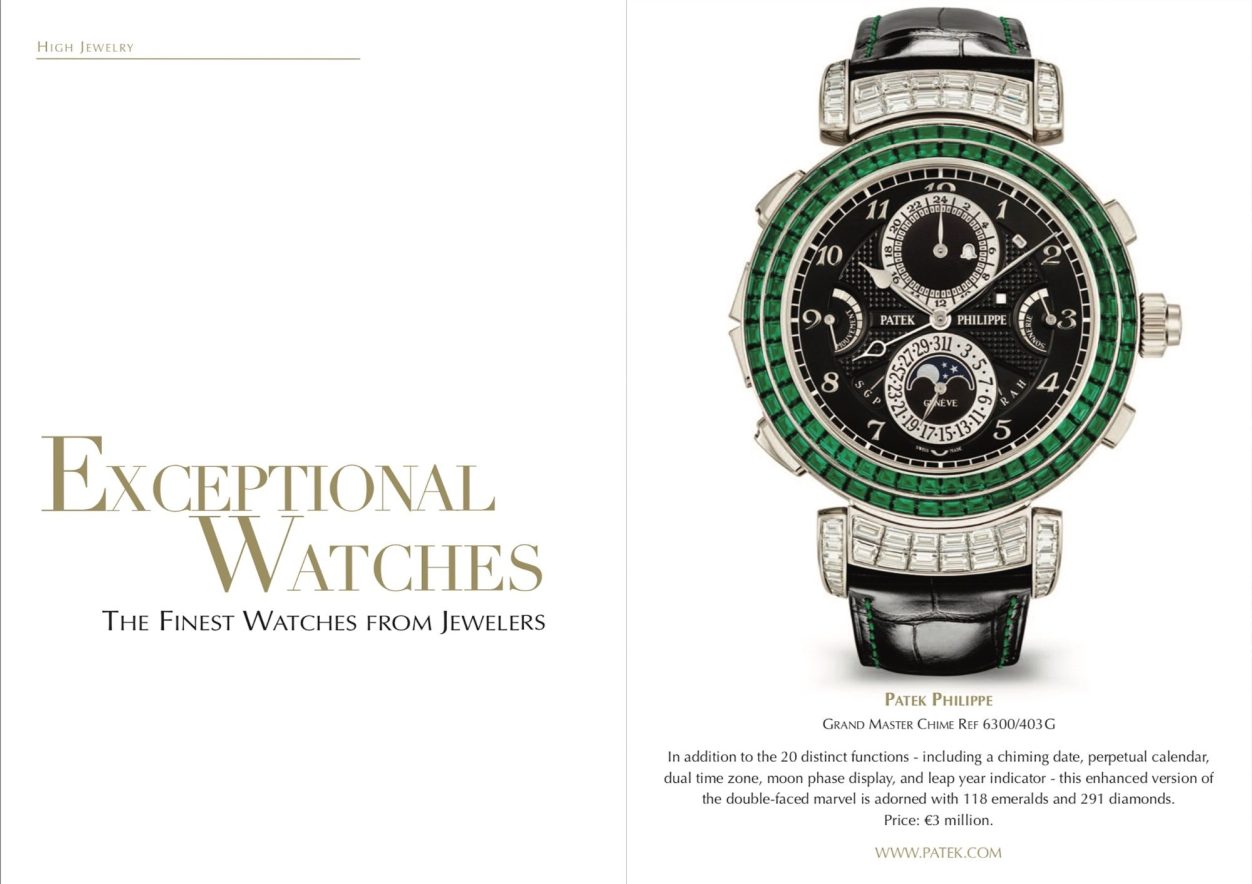
EXCEPTIONAL WATCHES
THE FINEST TIMEPIECES BY JEWELER ARTISANS...
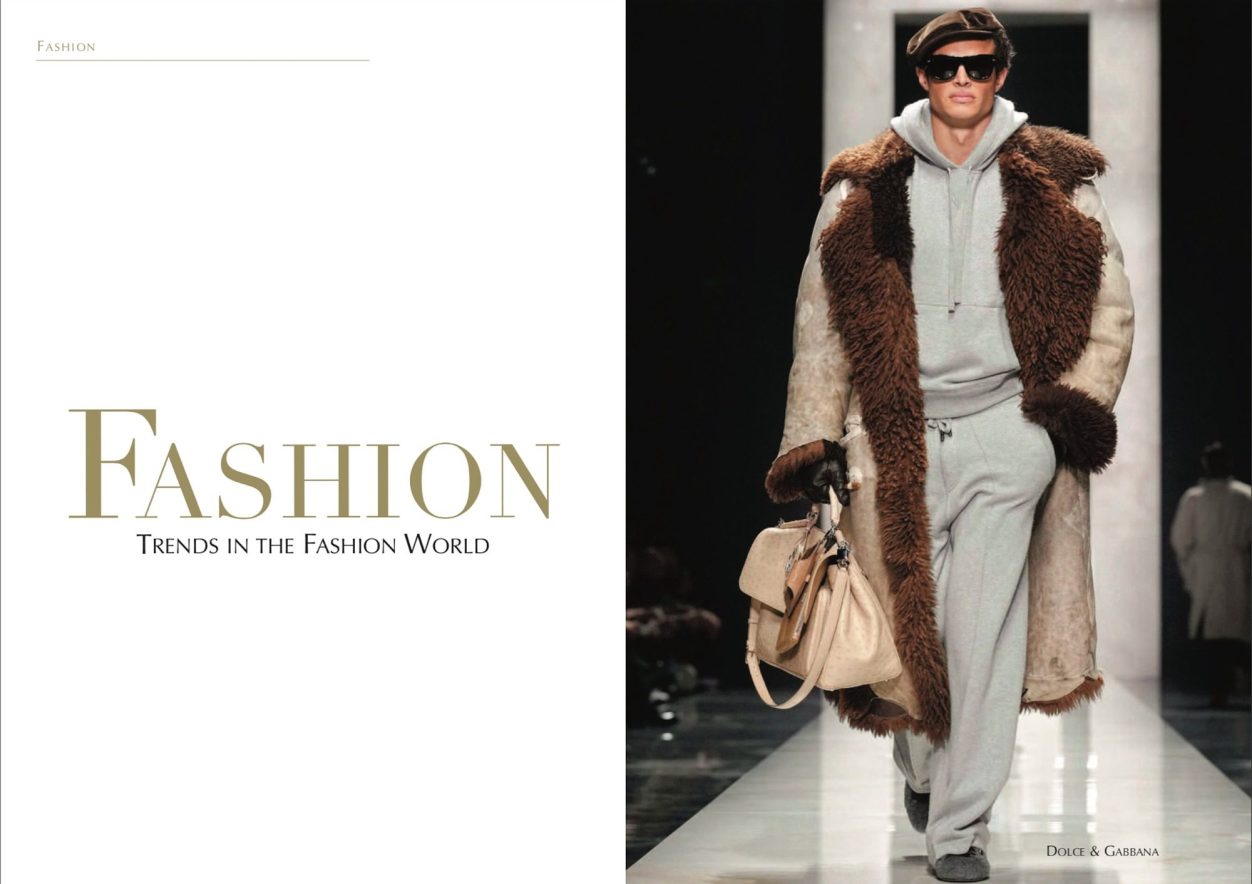
FASHION
TRENDS IN THE FASHION WORLD…
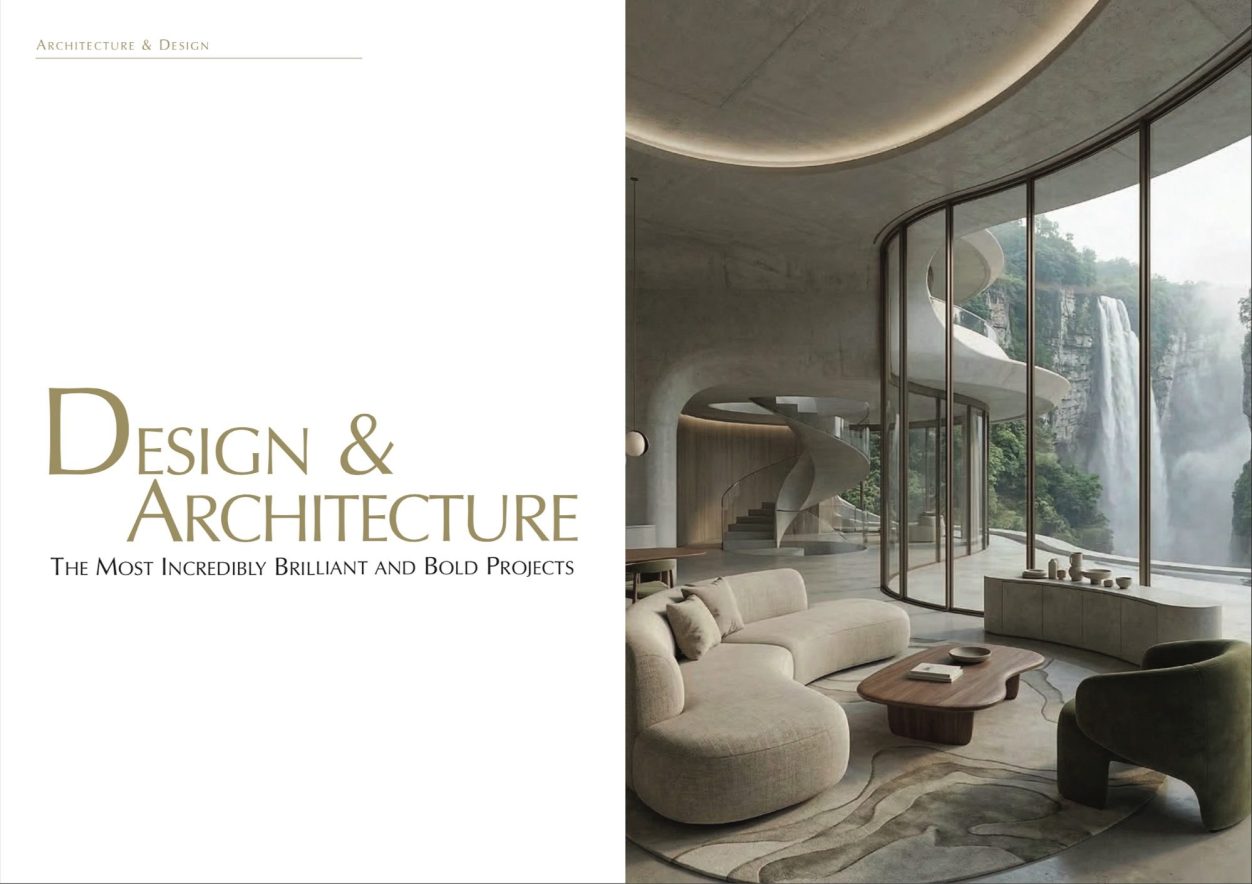
DESIGN & ARCHITECTURE
THE MOST INCREDIBLY BRILLANT AND BOLD PROJECTS
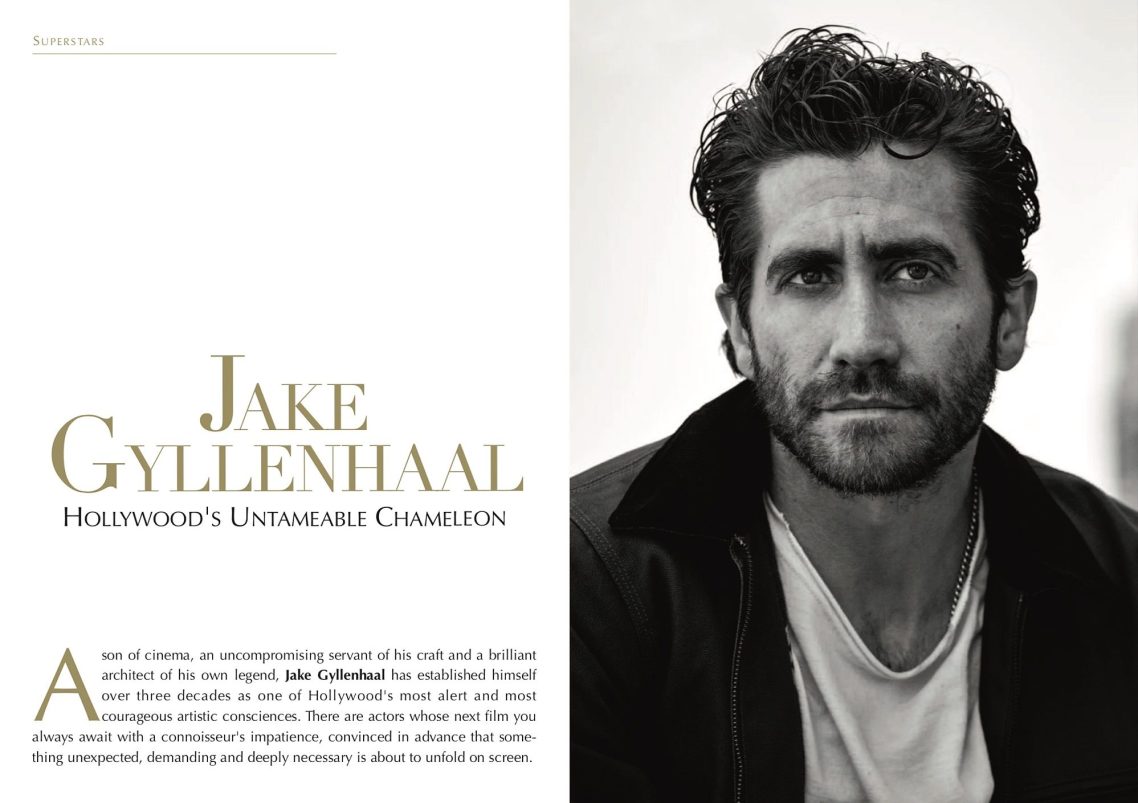
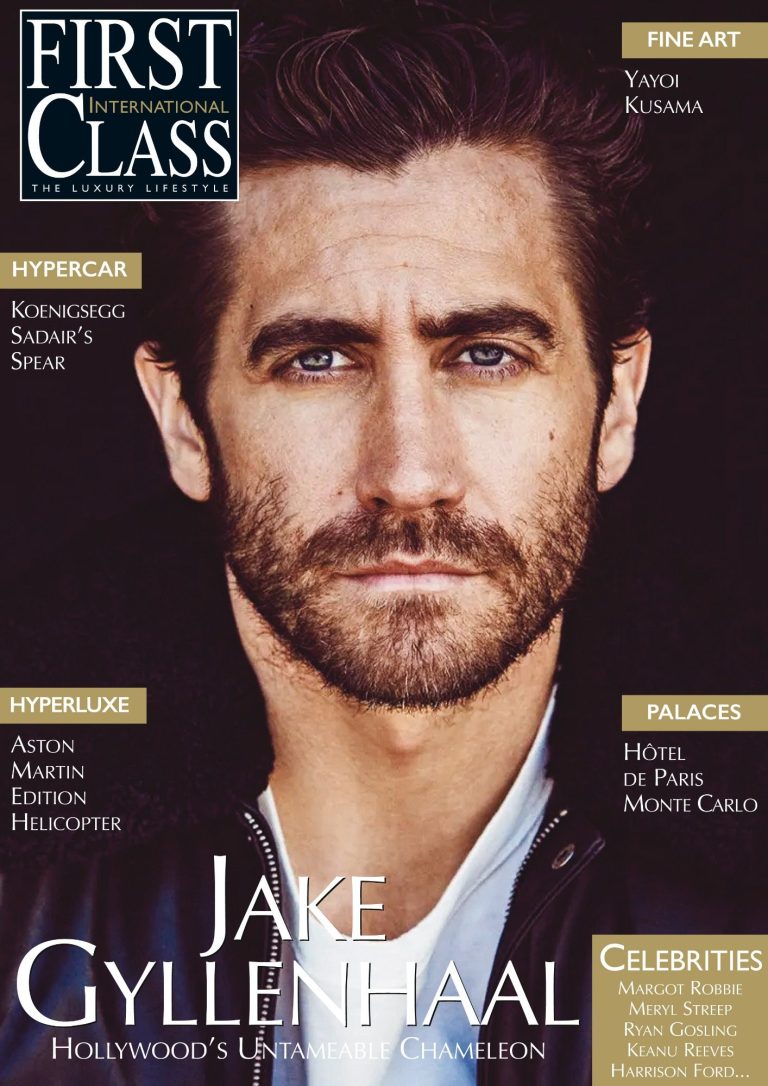
JAKE GYLLENHAAL
Hollywood's untameable chameleon
A son of cinema, an uncompromising servant of his craft and a brilliant architect of his own legend, Jake Gyllenhaal has established himself over three decades as one of Hollywood's most alert and most
courageous artistic consciences...
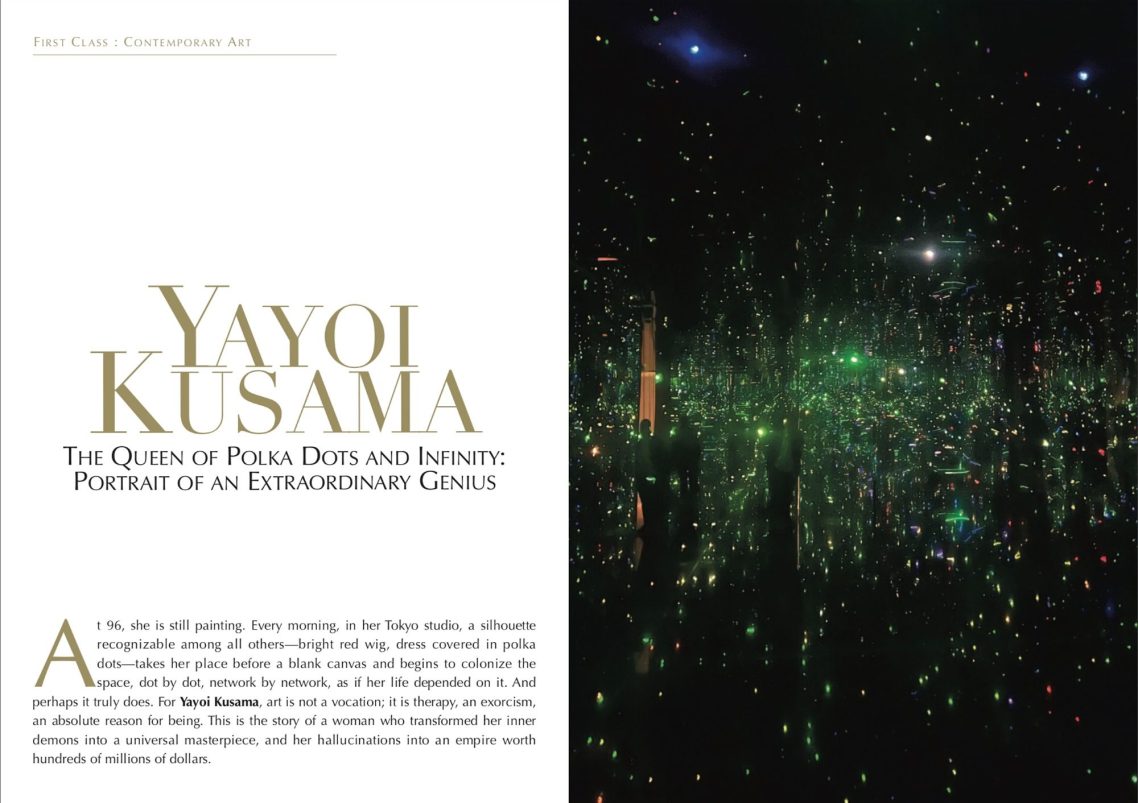
YASOI KUSAMA
The Queen of Polka dots and infinity
At 96, she is still painting. Every morning, in her Tokyo studio, a silhouette recognizable among all others—bright red wig, dress covered in polka dots, takes her place before a blank canvas and begins to colonize the space,
dot by dot, network by network, as if her life depended on it...
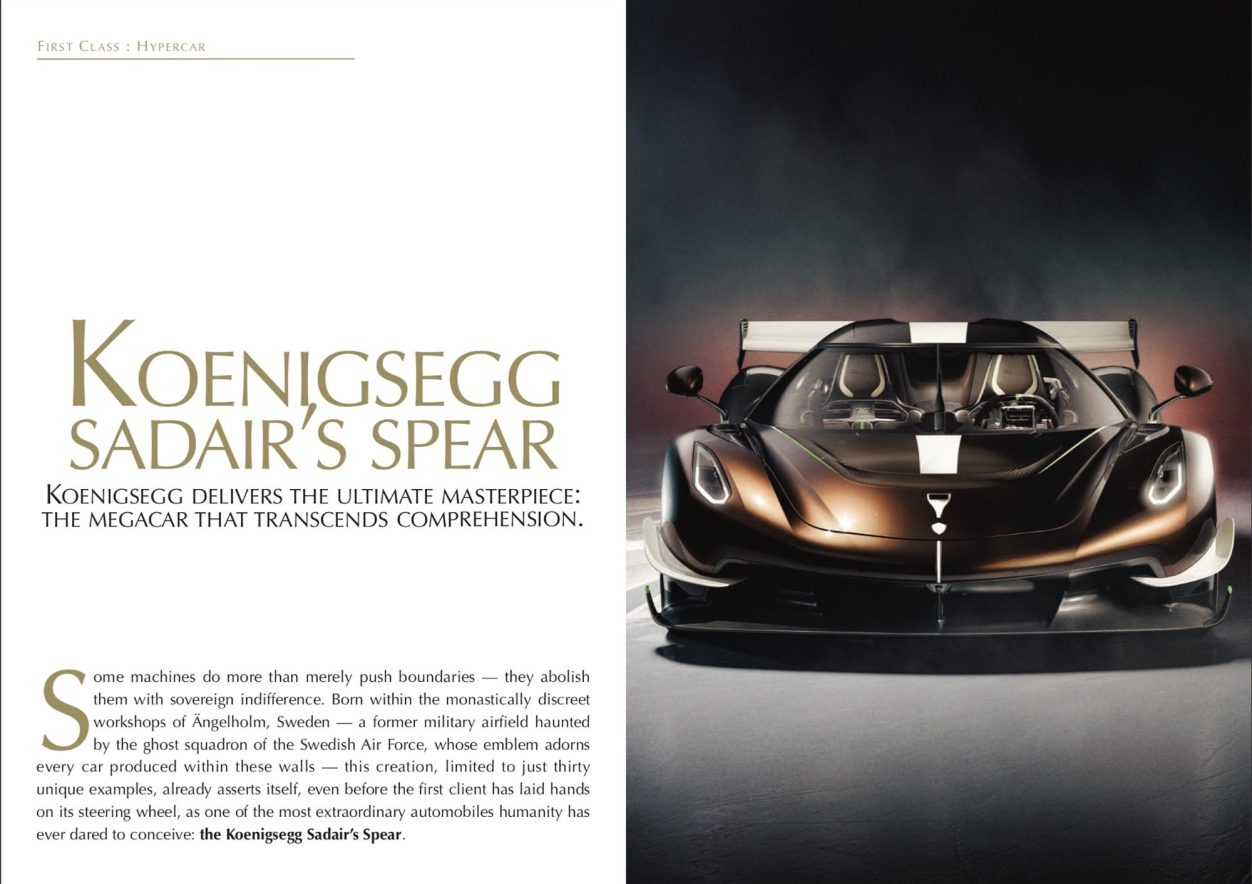
KOENIGSEGG SADAIR'S SPEAR
The ultimate Masterpiece
Some machines do more than merely push boundaries — they abolish them with sovereign indifference. Born within the monastically discreet workshops of Ängelholm, Sweden — a former military airfield haunted by the ghost squadron of the Swedish Air Force, whose emblem adorns every car produced within these walls — this creation, limited to just thirty unique examples, already asserts itself, even before the first client has laid hands on its steering wheel, as one of the most extraordinary automobiles humanity has ever dared to conceive: the Koenigsegg Sadair’s Spear...
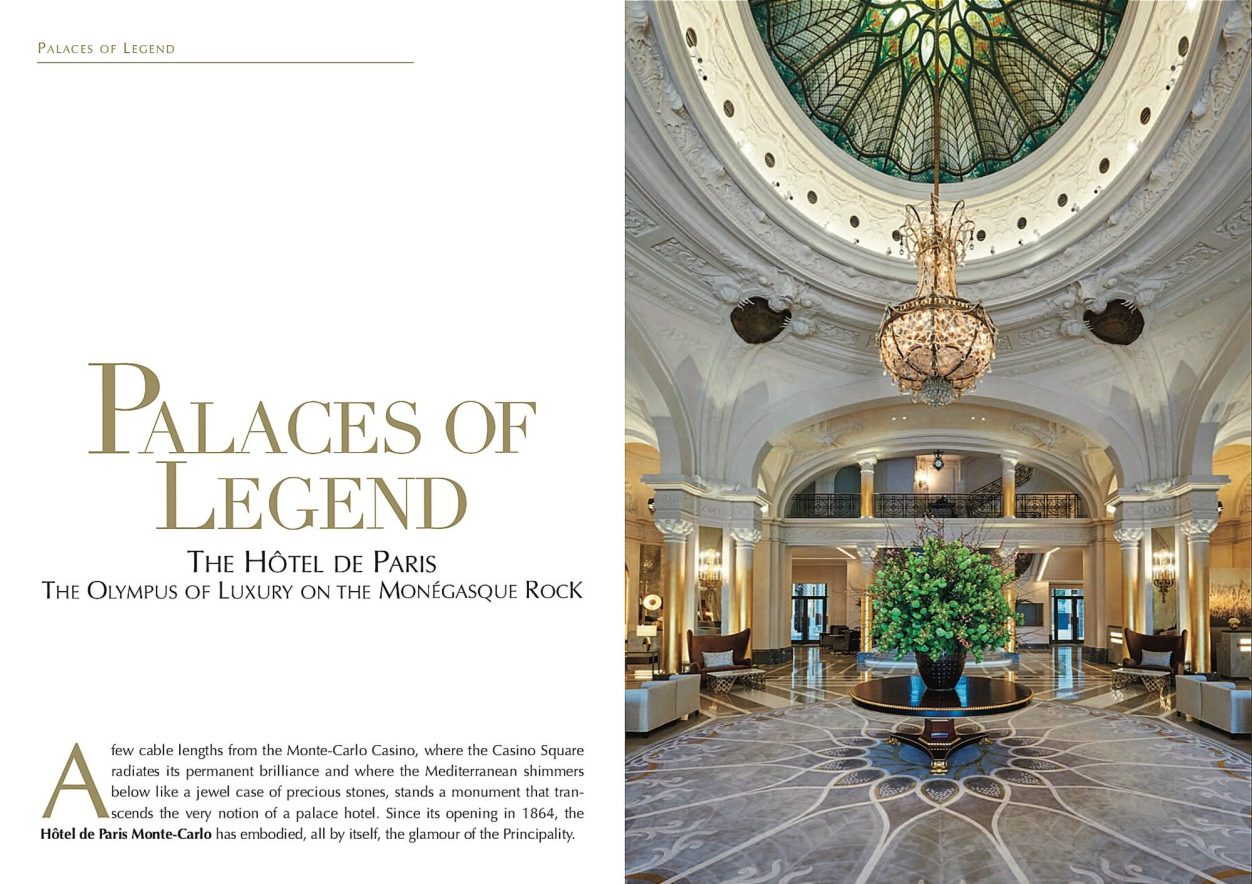
PALACES OF LEGEND
The Hotel de Paris
A few cable lengths from the Monte-Carlo Casino, where the Casino Square radiates its permanent brilliance and where the Mediterranean shimmers below like a jewel case of precious stones, stands a monument that transcends the very notion of a palace hotel. Since its opening in 1864, the Hôtel de Paris Monte-Carlo has embodied, all by itself, the glamour of the Principality. Here, the white limestone of its Belle Époque façade tells not merely the story of a hotel — it whispers that of a civilization of absolute luxury, forged upon a Rock that the entire world has come to envy...
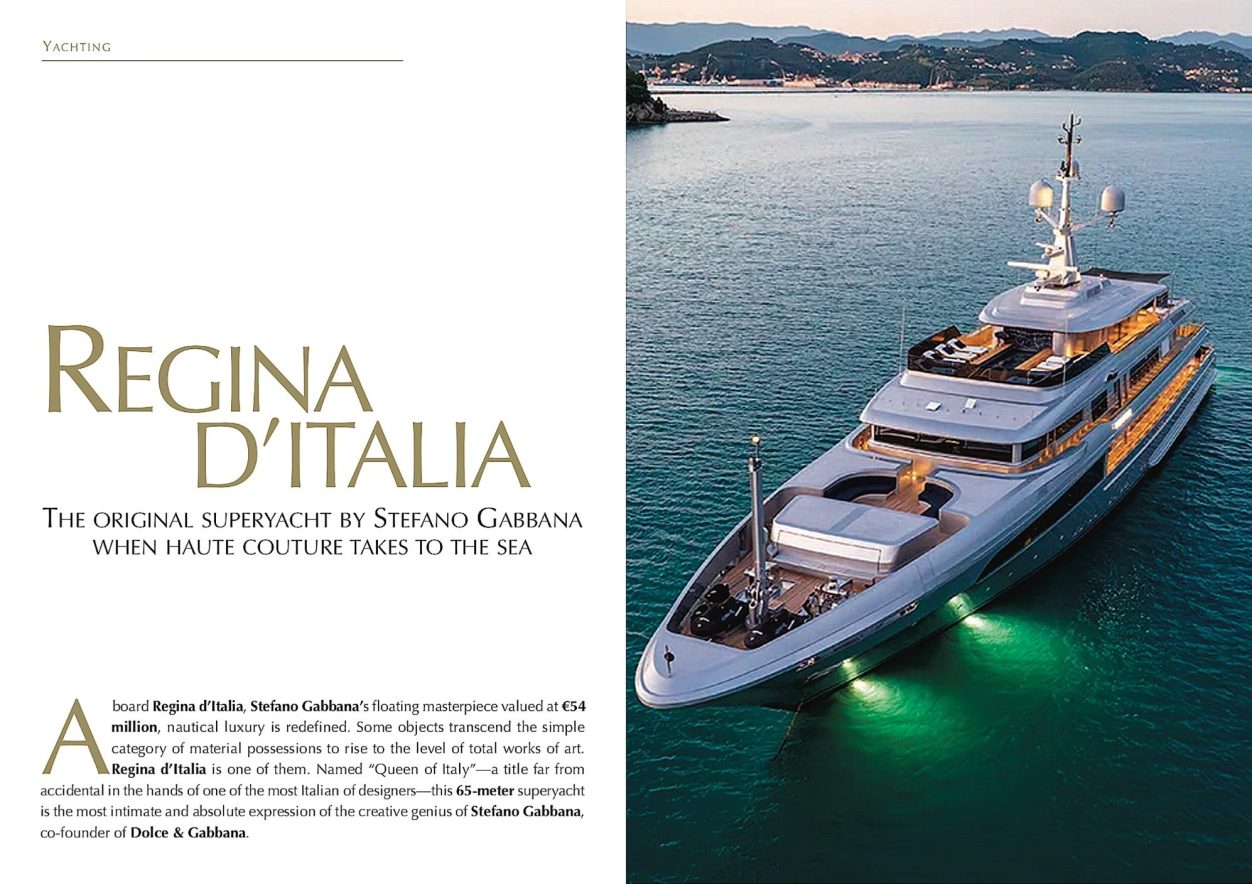
REGINA D'ITALIA
The original Superyacht by Stefano Gabbana
Aboard Regina d’Italia, Stefano Gabbana’s floating masterpiece valued at €54 million, nautical luxury is redefined. Some objects transcend the simple category of material possessions to rise to the level of total works of art. Regina d’Italia is one of them. Named “Queen of Italy”—a title far from accidental in the hands of one of the most Italian of designers—this 65-meter superyacht is the most intimate and absolute expression of the creative genius of Stefano Gabbana, co-founder of Dolce & Gabbana...
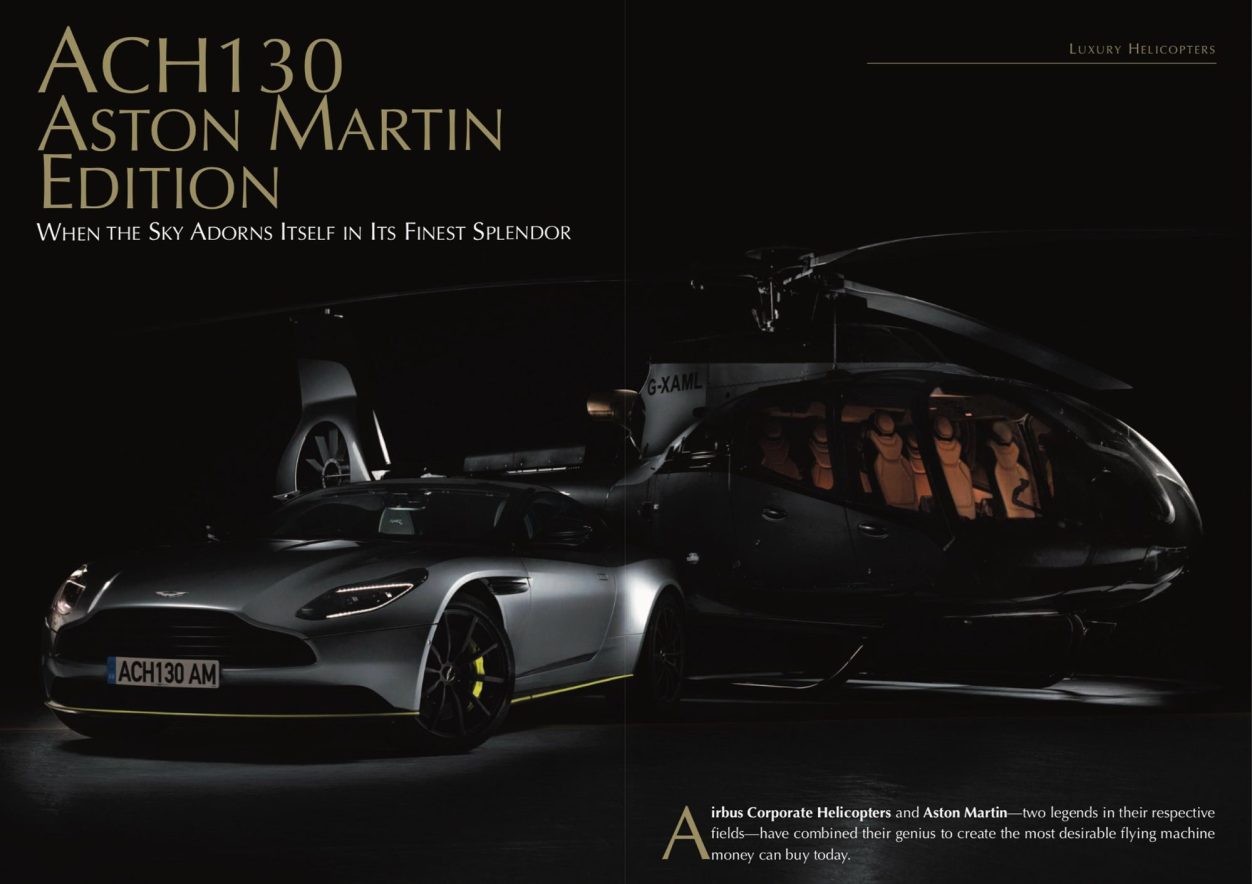
ACH 130
Aston Martin Edition
Airbus Corporate Helicopters and Aston Martin—two legends in their respective fields—have combined their genius to create the most desirable flying machine money can buy today.
What is absolute luxury, if not the ability to combine, within a single object, power and grace, technology and craftsmanship, speed and serenity? This question, which the world’s greatest
maisons have been striving to answer for decades, has just found a breathtaking solution some
2,000 meters above the ground...

KENZO
Death Machines of London
Few objects transcend their own nature to attain the status of a total work of art. The Kenzo, a masterful creation by the London workshop Death Machines of London, is precisely one of them. Straddling the line between kinetic sculpture and a philosophical manifesto on two wheels, this one-of-a-kind motorcycle draws upon five centuries of Japanese history and propels them into a future once thought to belong solely to science fiction...
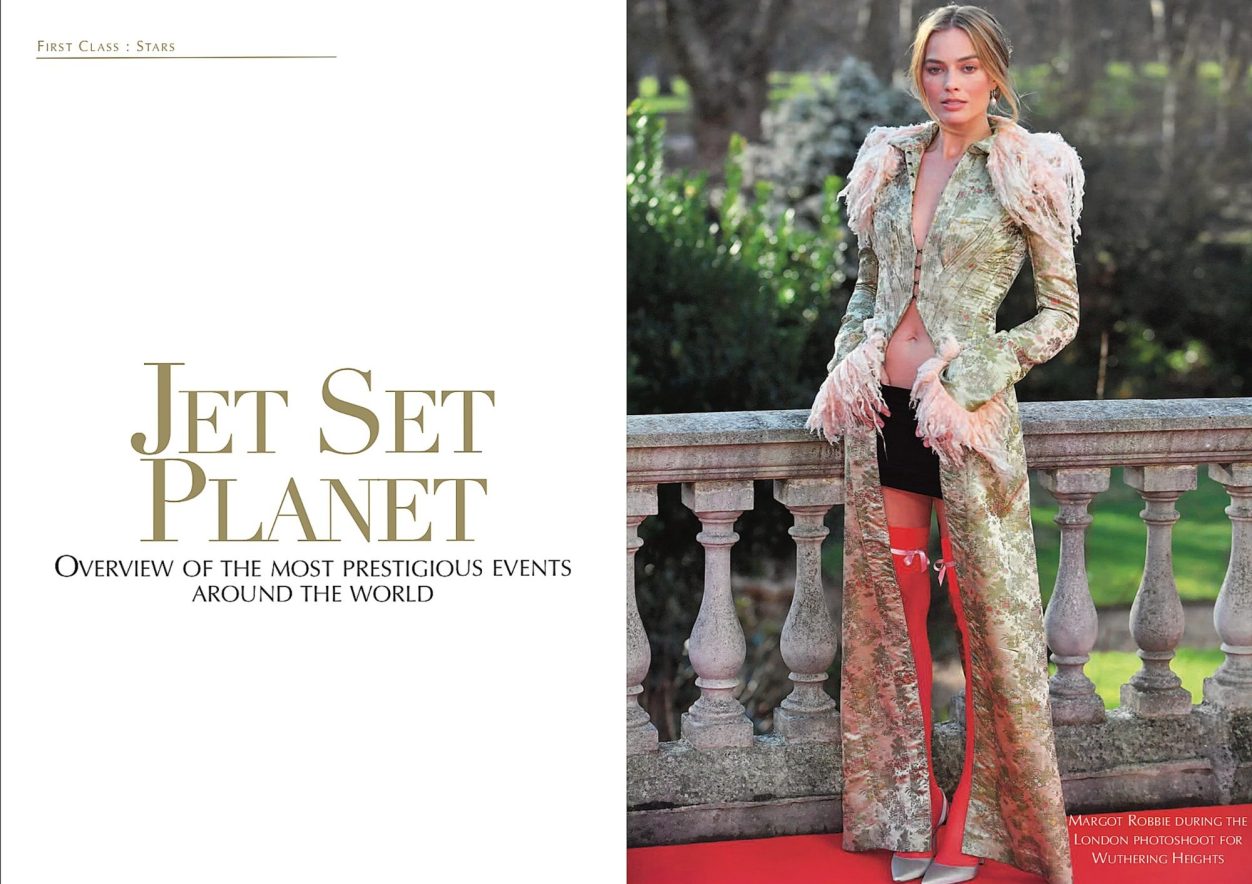
JET SET PLANET
Overview of the most prestigious events around the world…

EXCEPTIONAL WATCHES
THE FINEST TIMEPIECES BY JEWELER ARTISANS...
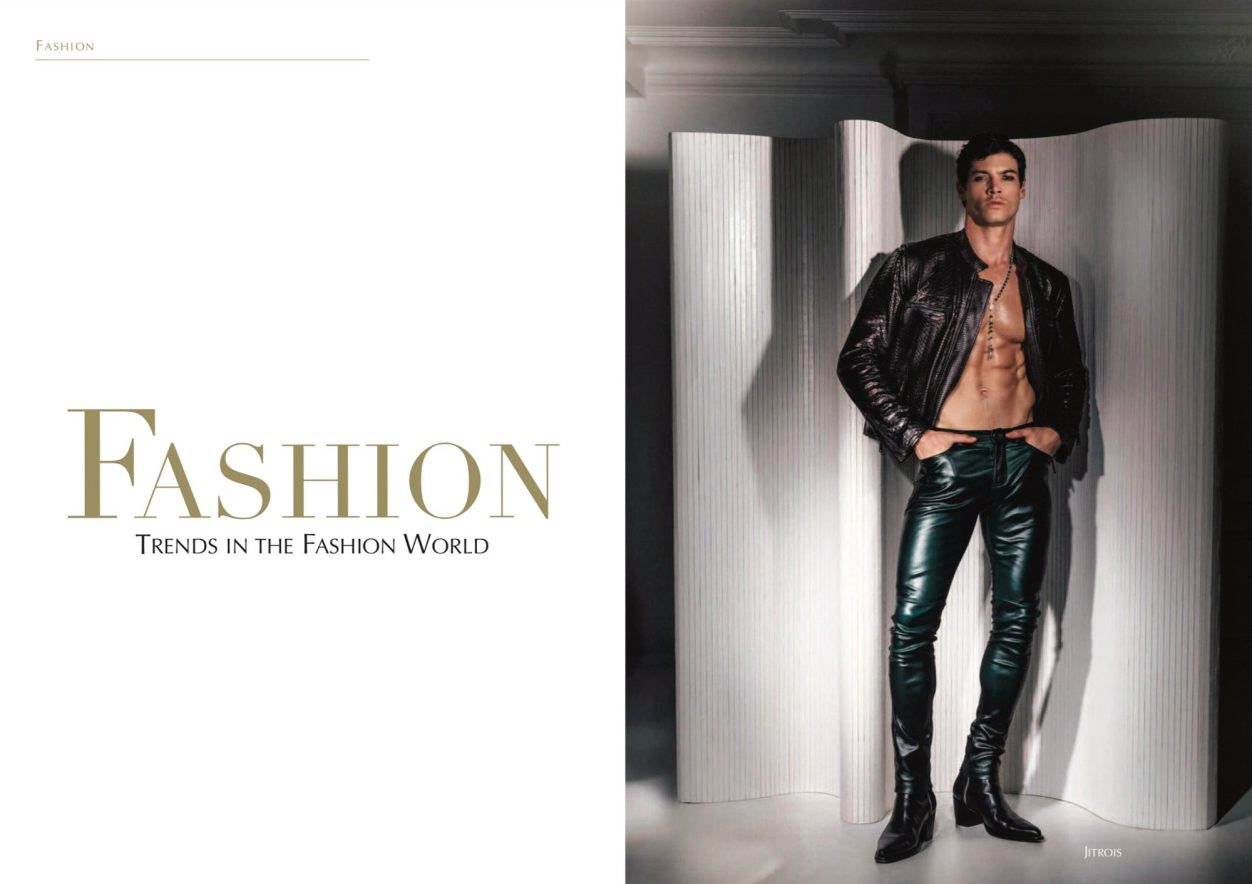
FASHION
TRENDS IN THE FASHION WORLD…
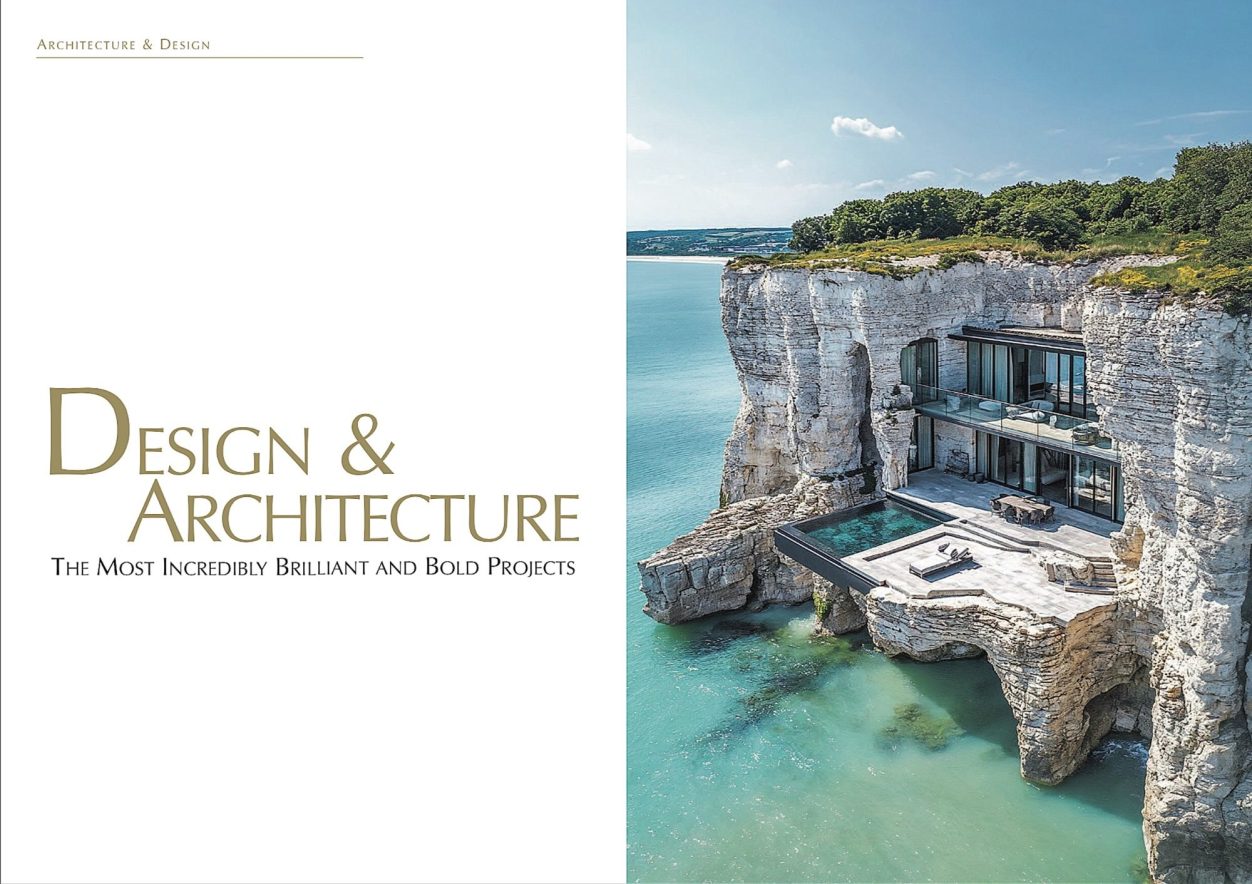
DESIGN & ARCHITECTURE
THE MOST INCREDIBLY BRILLANT ANS BOLD PROJECTS
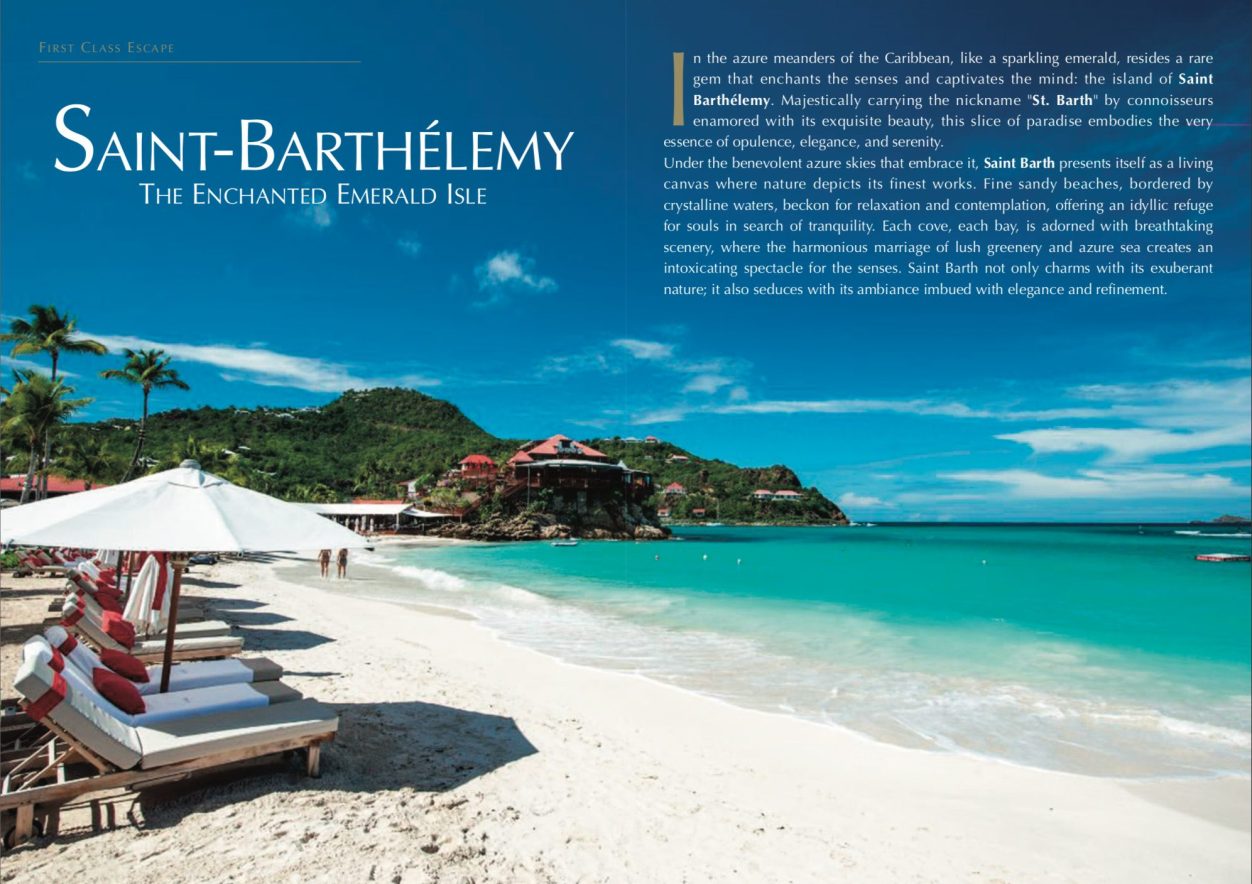
SAINT BARTHÉLEMY
The enchanted Isle
In the azure meanders of the Caribbean, like a sparkling emerald, resides a rare gem that enchants the senses and captivates the mind: the island of Saint Barthélemy. Majestically carrying the nickname "St. Barth" by connoisseurs enamored with its exquisite beauty, this slice of paradise embodies the very essence of opulence, elegance, and serenity. Under the benevolent azure skies that embrace it, Saint Barth presents itself as a living canvas where nature depicts its finest works...
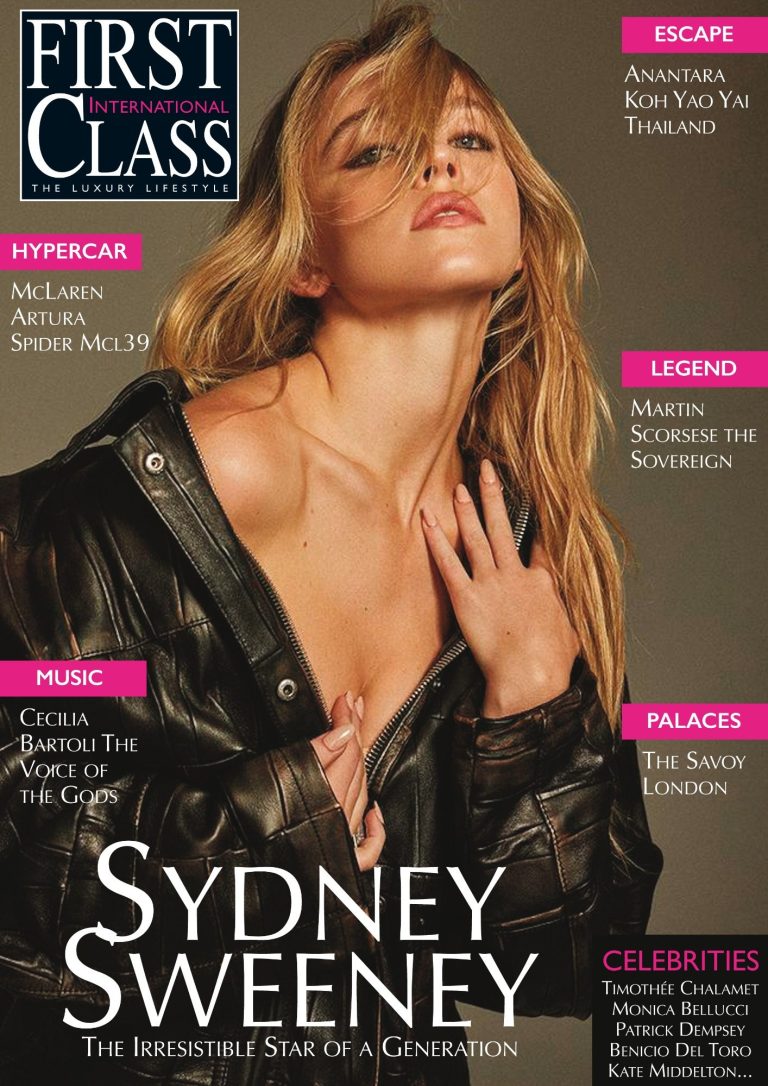
JUNE 2026
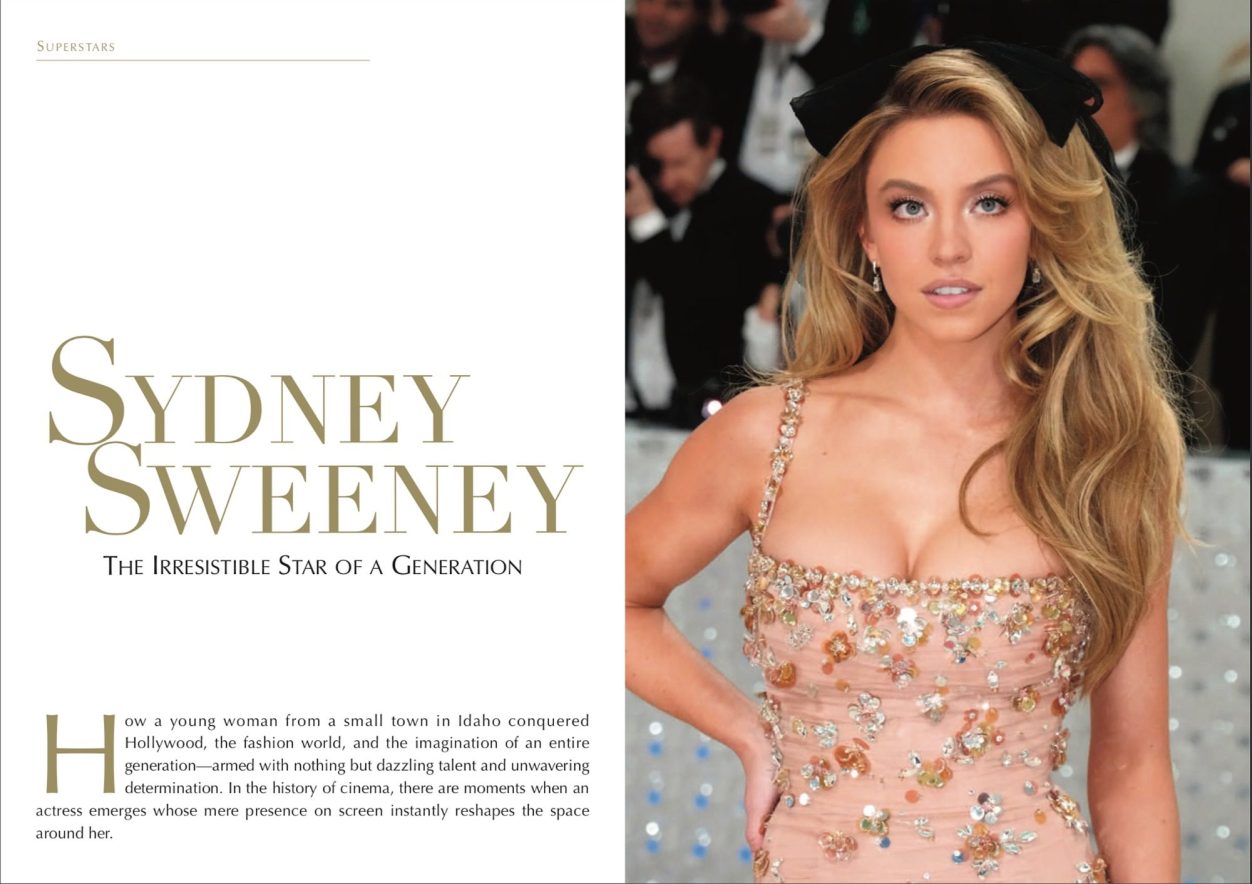
SYDNEY SWEENEY
The Irresistible Star of a Generation
How a young woman from a small town in Idaho conquered Hollywood, the fashion world, and the imagination of an entire generation—armed with nothing but dazzling talent and unwavering determination. In the history of cinema, there are moments when an actress emerges whose mere presence on screen instantly reshapes the space around her. An actress whose gaze, bearing, and the way she breathes between words captivate the viewer with an intensity that is at once mysterious and unmistakable...
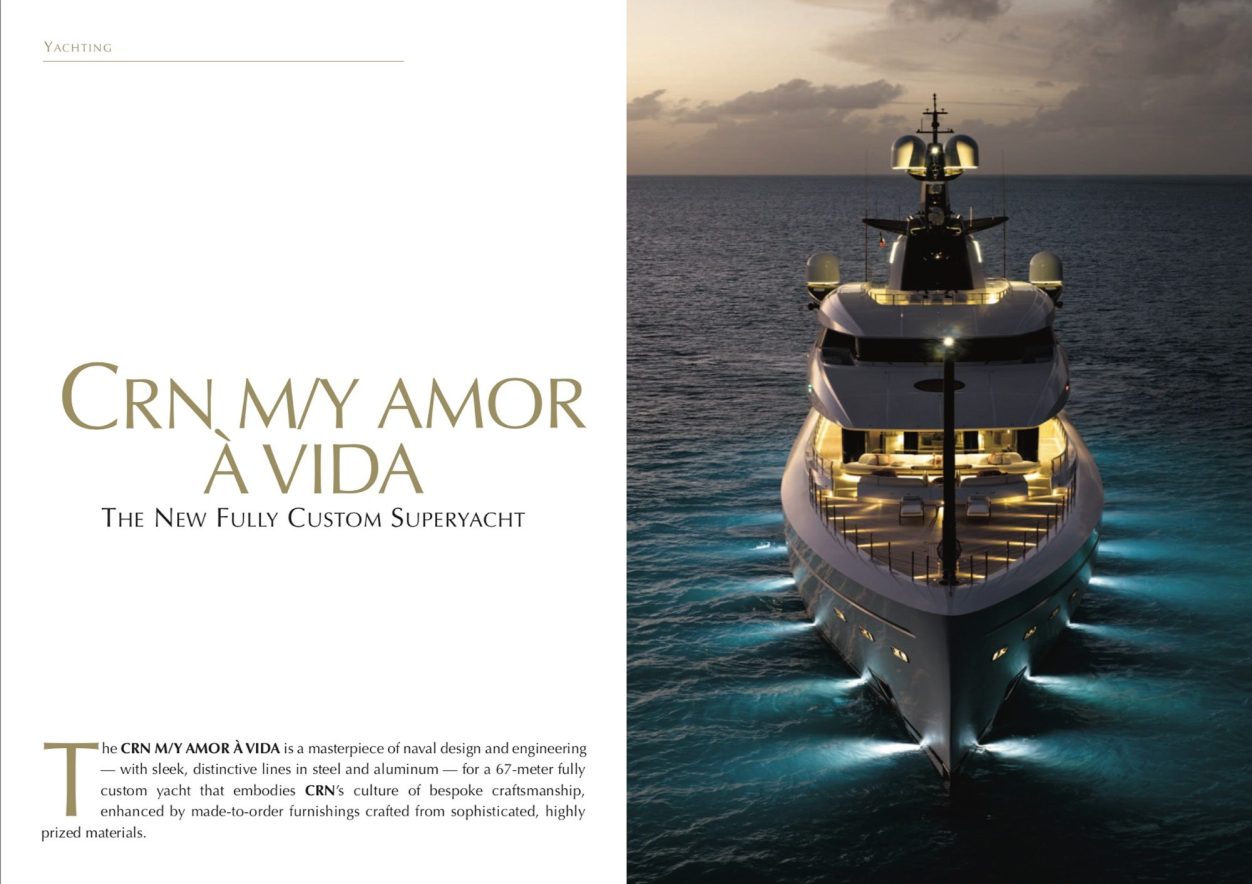
CRN M/Y AMOR À VIDA
The New Fully Custom Superyacht
The CRN M/Y AMOR À VIDA is a masterpiece of naval design and engineering — with sleek, distinctive lines in steel and aluminum — for a 67-meter fully custom yacht that embodies CRN’s culture of bespoke craftsmanship, enhanced by made-to-order furnishings crafted from sophisticated, highly prized materials. The superyacht combines the technical expertise of Ferretti Group, Superyacht Division with the creativity of the renowned naval design firm Nuvolari Lenard...
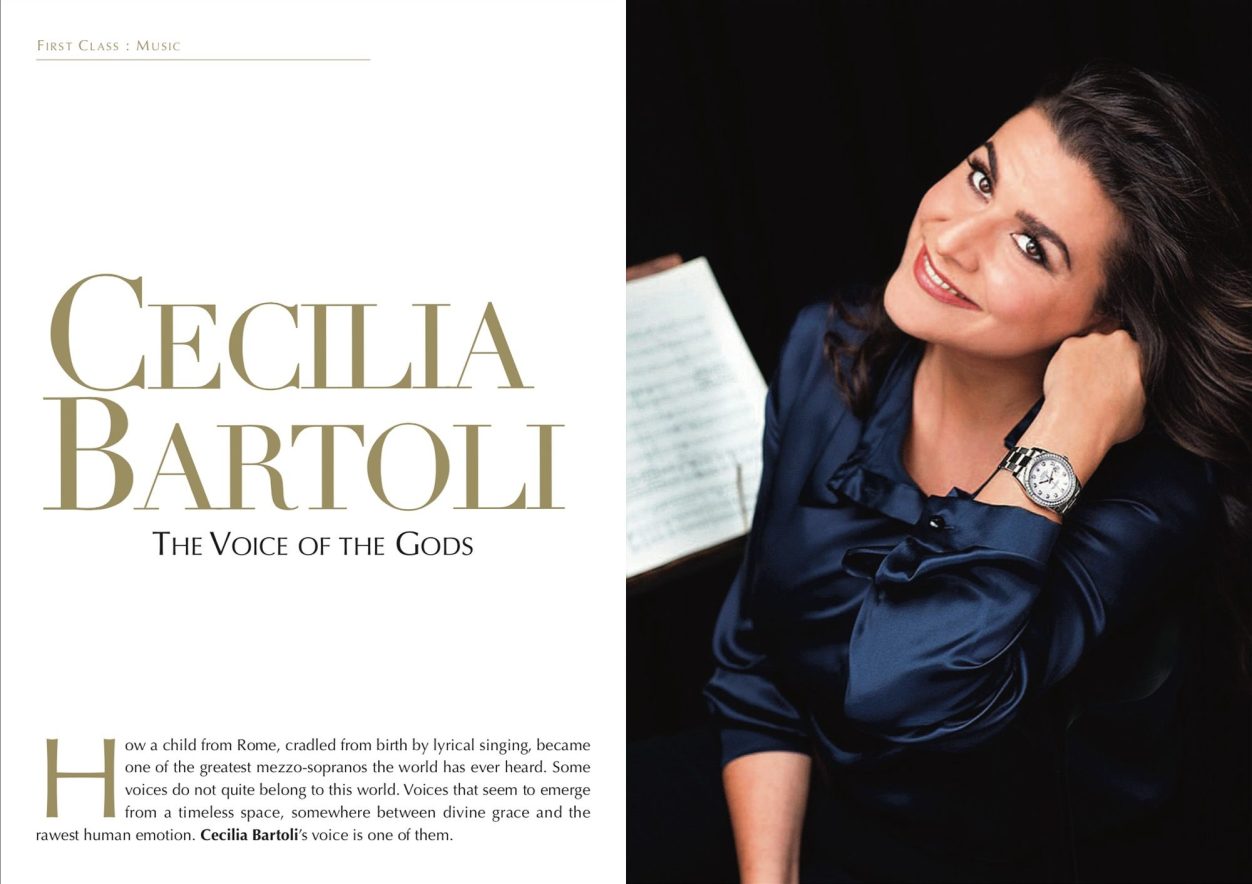
CÉCILIA BARTOLI
The Voice of Gods
How a child from Rome, cradled from birth by lyrical singing, became one of the greatest mezzo-sopranos the world has ever heard. Some voices do not quite belong to this world. Voices that seem to emerge from a timeless space, somewhere between divine grace and the rawest human emotion...
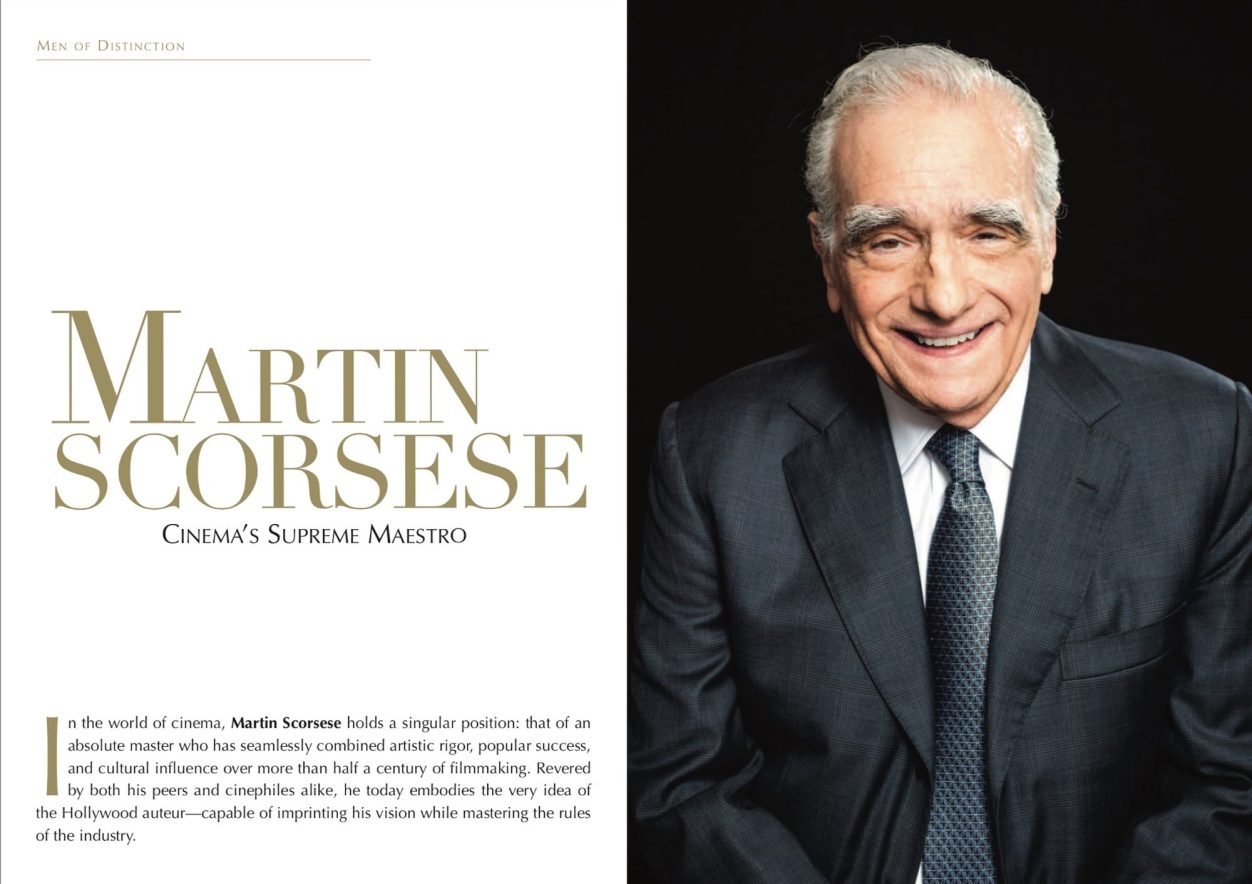
MARTIN SCORSESE
Cinema's Supreme Maestro
In the world of cinema, Martin Scorsese holds a singular position: that of an absolute master who has seamlessly combined artistic rigor, popular success, and cultural influence over more than half a century of filmmaking....
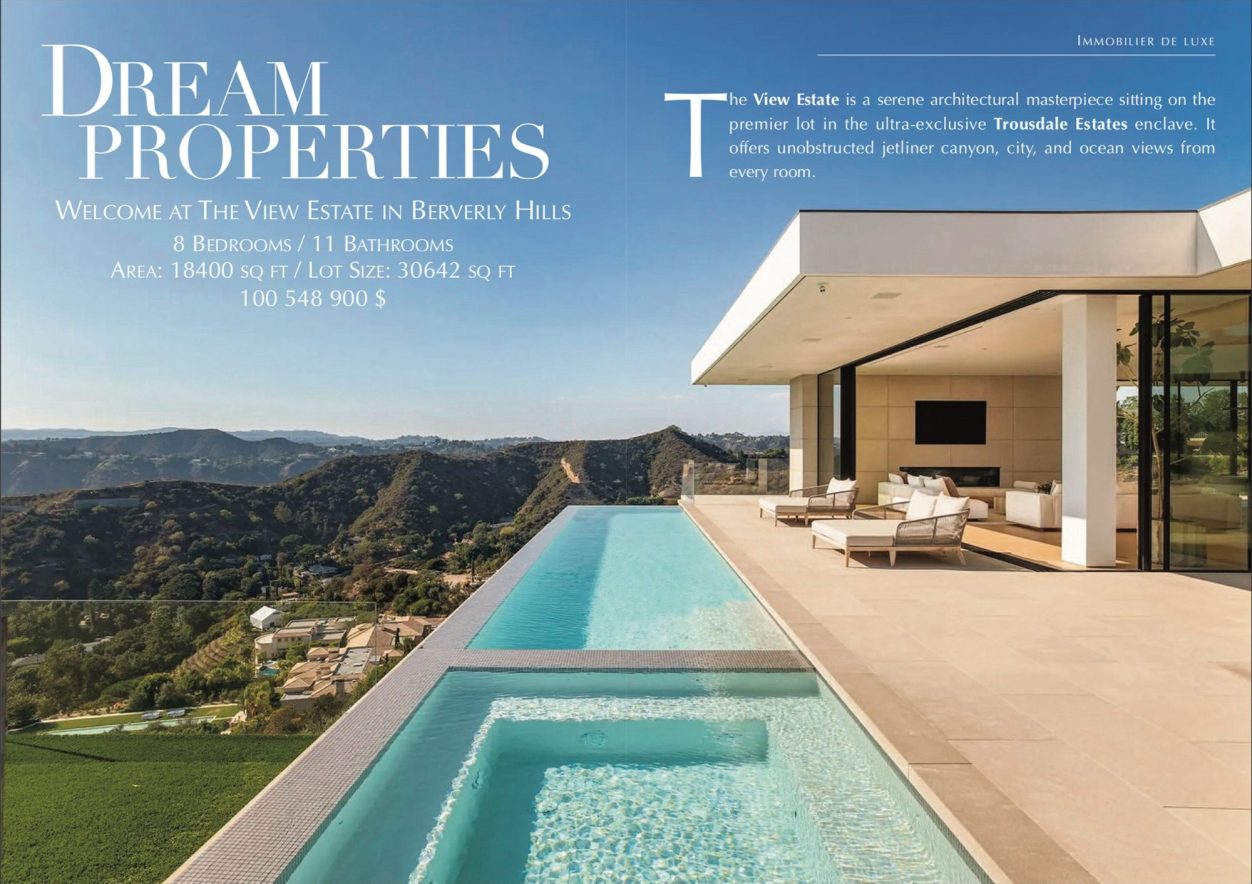
DREAM PROPERTIES
Welcome at The View Estate in Beverly Hills 8 Bedrooms / 11 Bathrooms Area: 18400 sq ft / Lot Size: 30642 sq ft 100 548 900 $
The View Estate is a serene architectural masterpiece sitting on the premier lot in the ultra-exclusive Trousdale Estates enclave. It offers unobstructed jetliner canyon, city, and ocean views from every room...
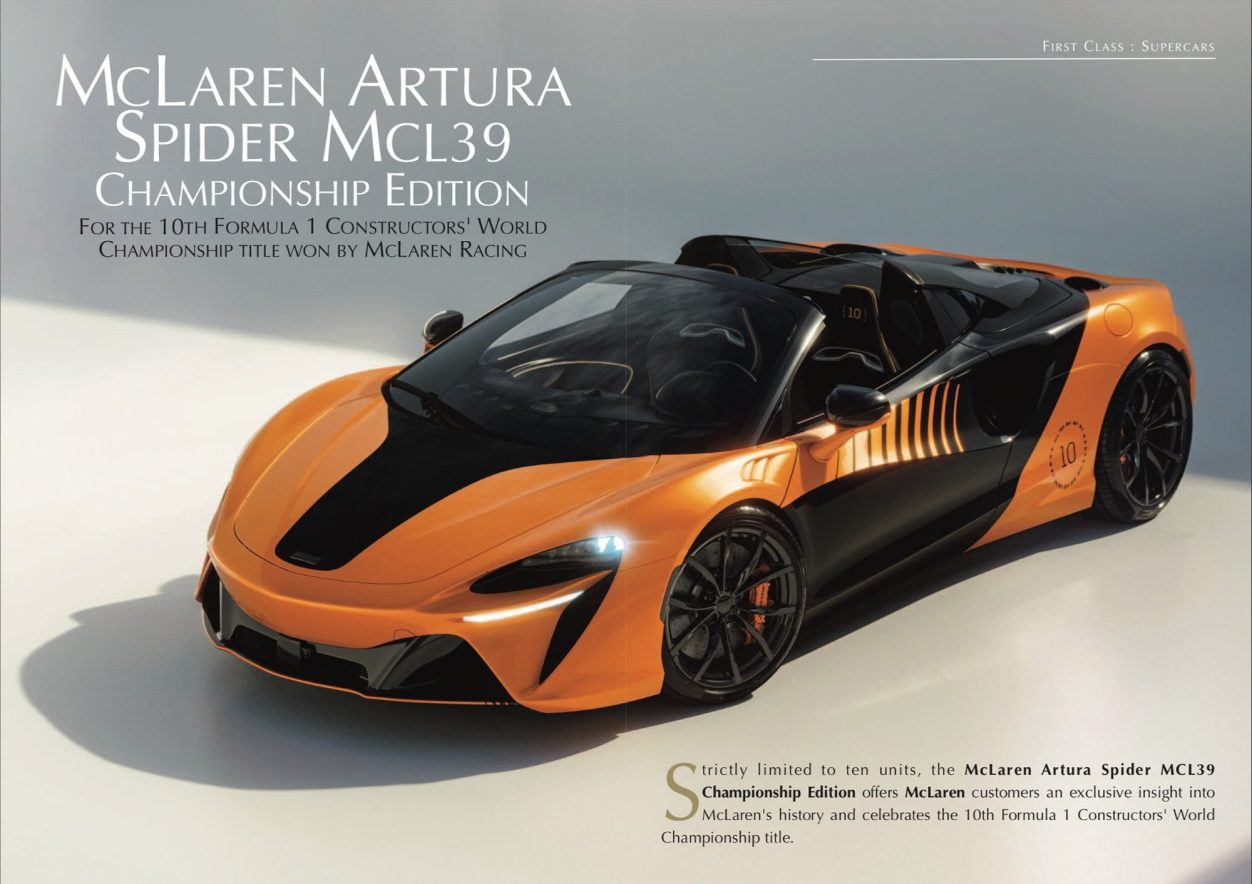
MC LAREN ARTURA SPIDER MCL 39 CHAMPIONSHIP EDITION
For the 10th Formula 1 Constructors' World Championship title won by McLaren Racing. Strictly limited to ten units, the McLaren Artura Spider MCL39 Championship Edition offers McLaren customers an exclusive insight into McLaren's history and celebrates the 10th Formula 1 Constructors' World Championship title...
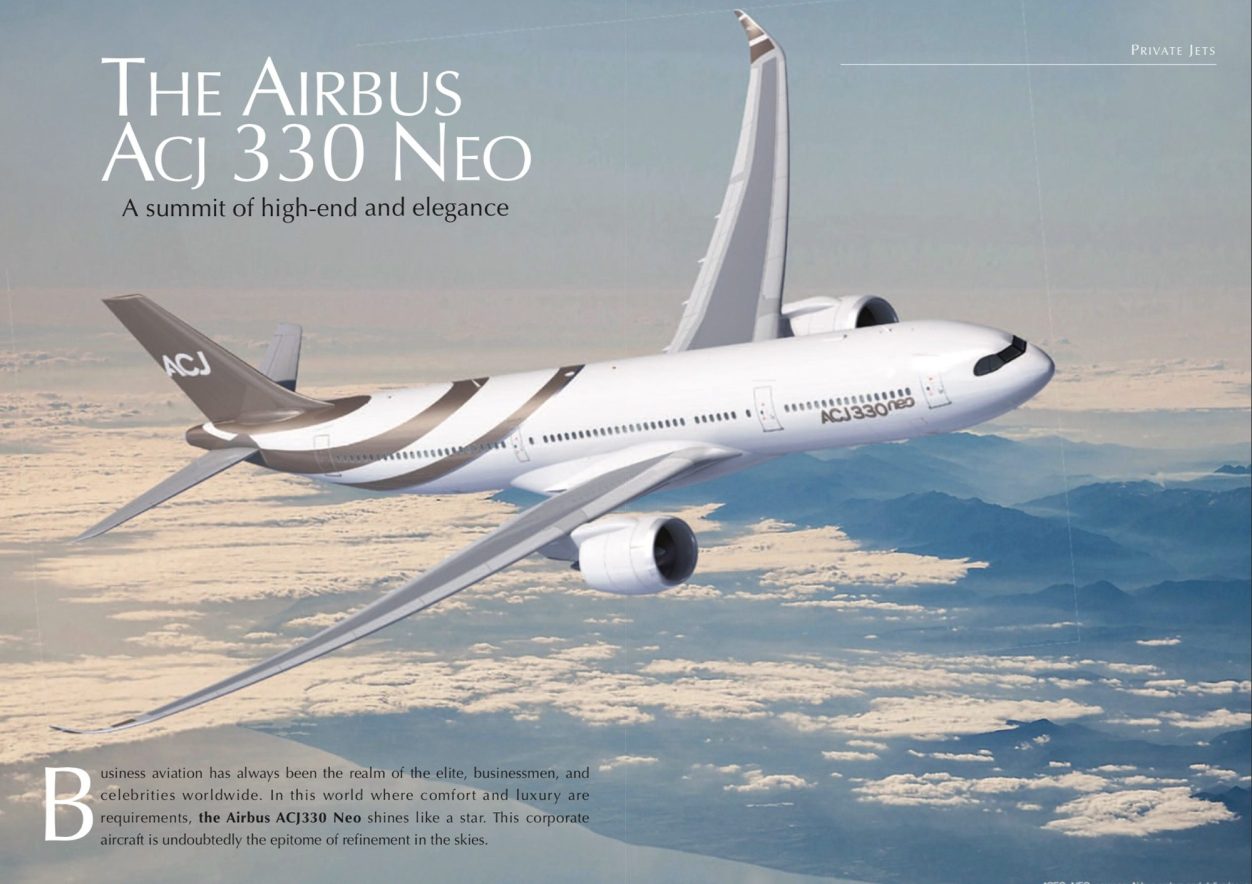
THE AIRBUS ACJ 330 NEO
A summit of high-end and elegance
Business aviation has always been the realm of the elite, businessmen, and celebrities worldwide. In this world where comfort and luxury are requirements, the Airbus ACJ330 Neo shines like a star. This corporate aircraft is undoubtedly the epitome of
refinement in the skies.
REDEFINED COMFORT
Onboard the Airbus ACJ330 Neo, comfort and luxury are omnipresent. Featuring custom interior design, every detail is crafted to offer an unparalleled flight experience. From sumptuous seating to premium materials and state-of-the-art entertainment equipment, each element is designed to meet the most demanding needs of passengers...
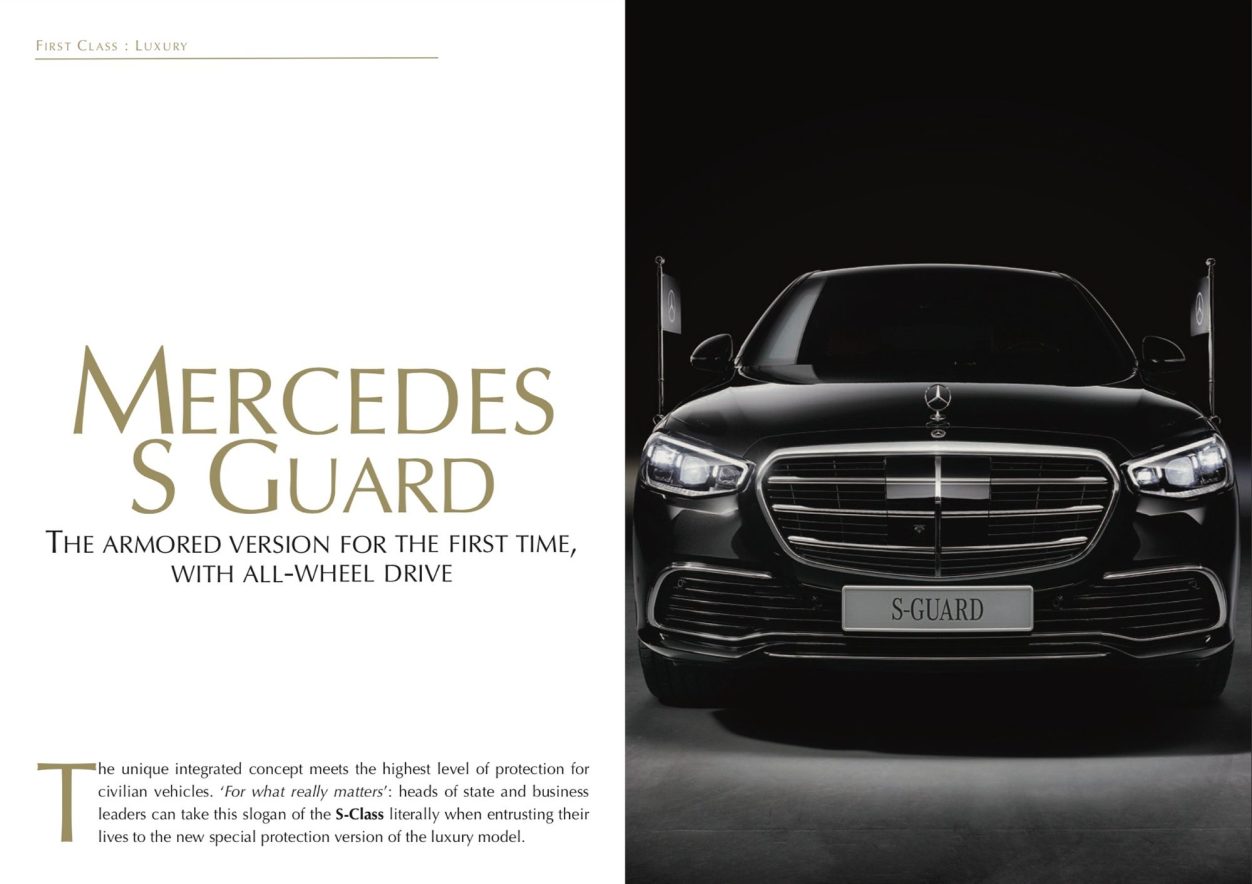
MERCEDES S GAURD
The armored version for the first time,
with all-wheel drive
The unique integrated concept meets the highest level of protection for civilian vehicles. ‘For what really matters’: heads of state and business leaders can take this slogan of the S-Class literally when entrusting their lives to the new special protection version of the luxury model. Indeed, the new S 680 GUARD 4MATIC meets the highest level of ballistic testing for civilian vehicles, achieving the VPAM VR10 protection class, and is also particularly resistant to explosive charges...
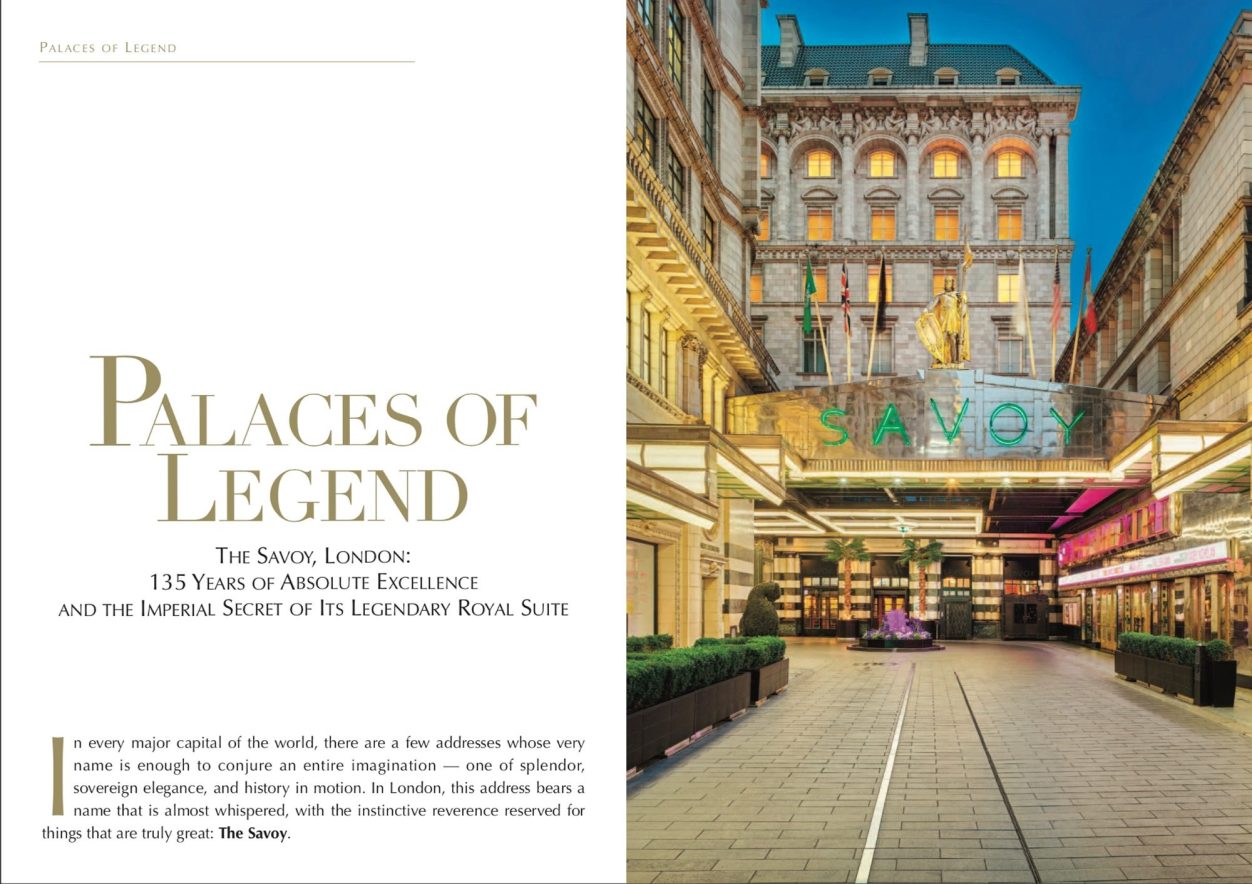
PALACES OF LEGEND
The Savoy London
In every major capital of the world, there are a few addresses whose very name is enough to conjure an entire imagination, one of splendor, sovereign elegance, and history in motion. In London, this address bears a name that is almost whispered, with the instinctive reverence reserved for things that are truly great: The Savoy. Since 1889, this extraordinary hotel, perched on the banks of the Thames along the legendary Strand, has orchestrated the art of hospitality with a mastery that time has only refined...
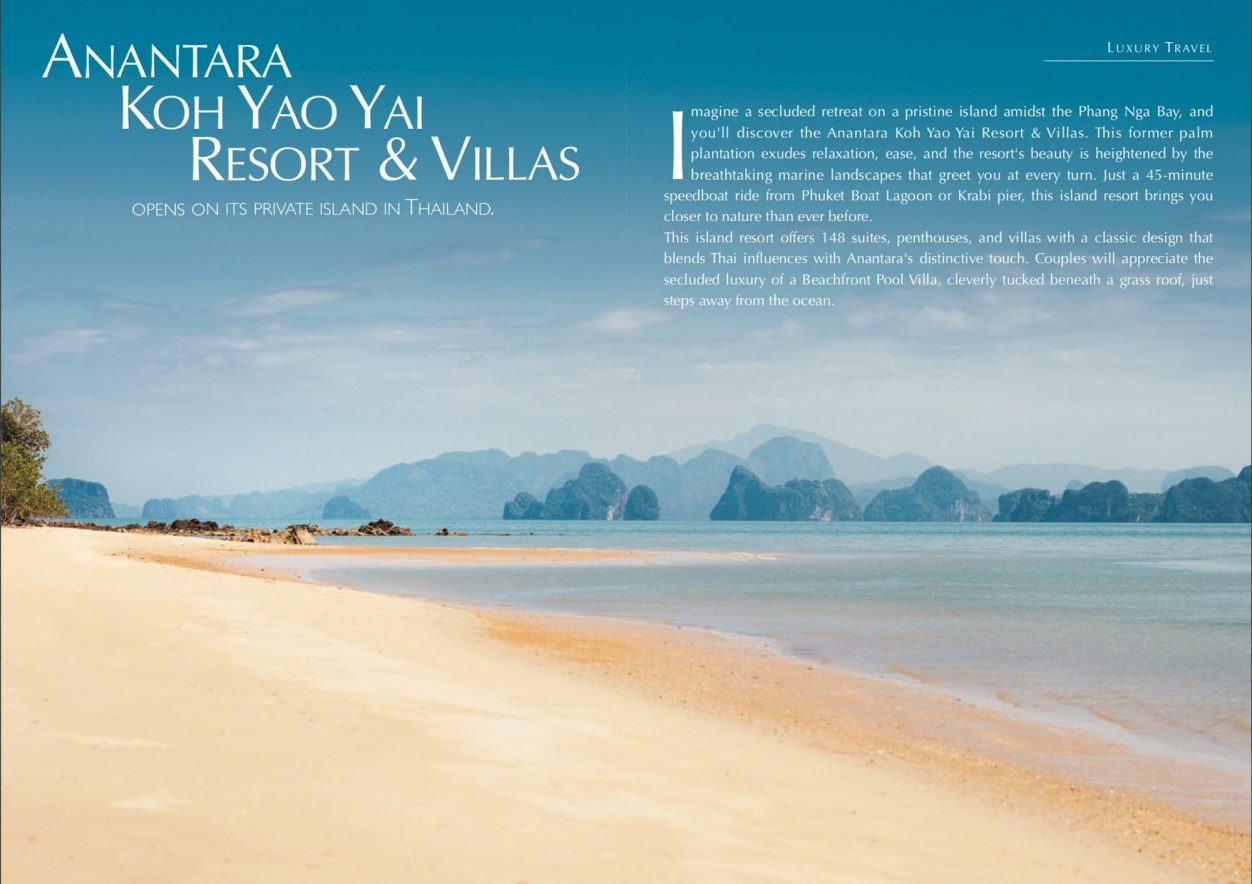
ANANTARA KOH YAO YAI RESORT & VILLAS
ON ITS PRIVATE ISLAND IN THAILAND
Imagine a secluded retreat on a pristine island amidst the Phang Nga Bay, and you'll discover the Anantara Koh Yao Yai Resort & Villas. this former palm plantation exudes relaxation, ease, and the resort's beauty is heightened by the breathtaking marine landscapes that greet you at every turn. Just a 45-minute speedboat ride from Phuket Boat Lagoon or Krabi pier, this island resort brings you closer to nature than ever before...
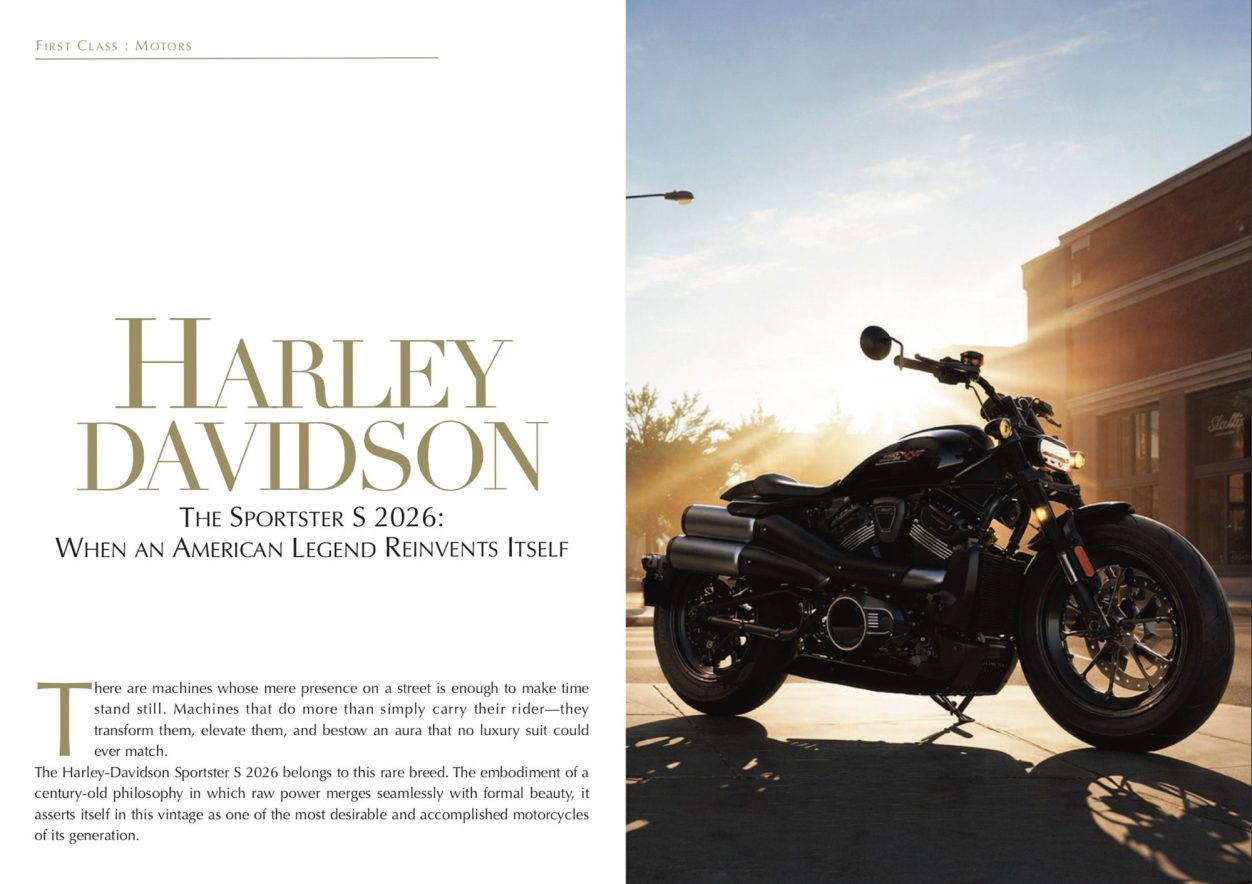
HARLEY DAVIDSON
The Sportster S 2026:
When an American Legend Reinvents Itself
There are machines whose mere presence on a street is enough to make time stand still. Machines that do more than simply carry their rider,
they transform them, elevate them, and bestow an aura that no
luxury suit could ever match. The Harley-Davidson Sportster S 2026
belongs to this rare breed...
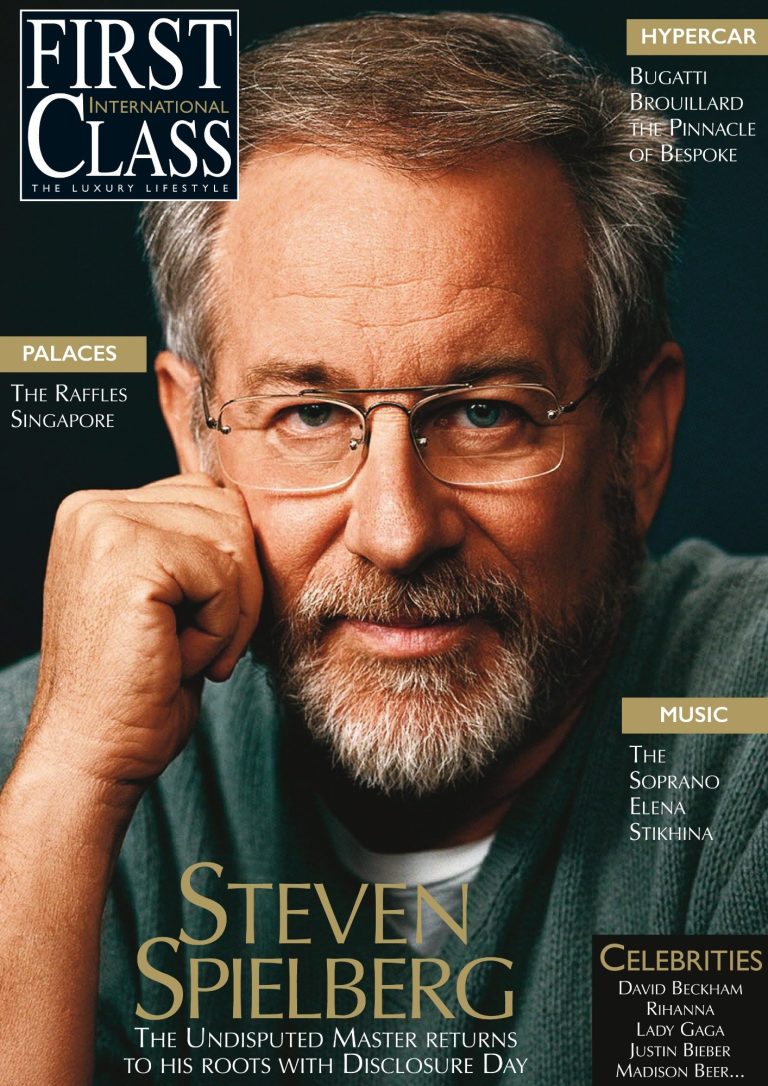
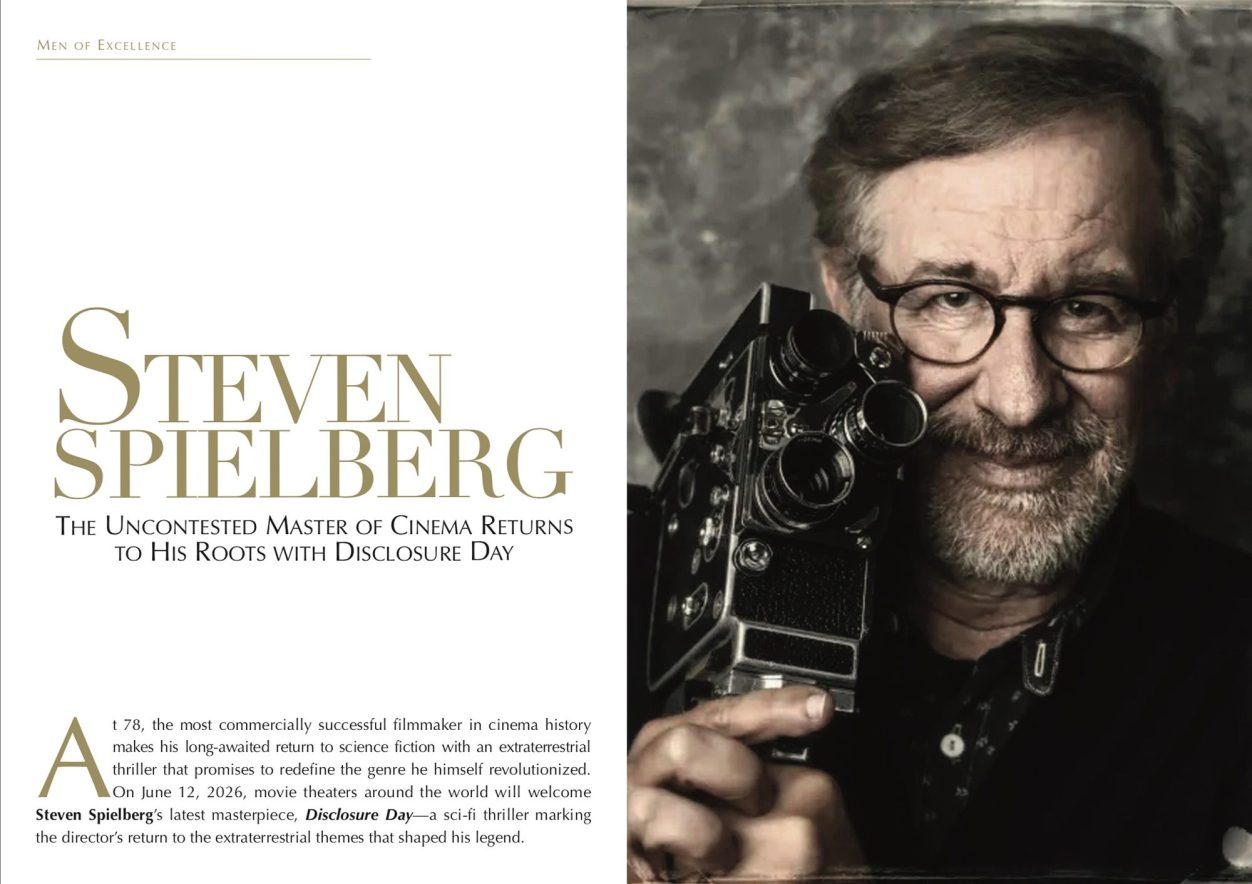
STEVEN SPIELBERG
THE UNCONTESTED MASTER OF CINEMA RETURNS TO HIS ROOTS WITH DISCLOSURE DAY
At 78, the most commercially successful filmmaker in cinema history makes his long-awaited return to science fiction with an extraterrestrial thriller that promises to redefine the genre he himself revolutionized...
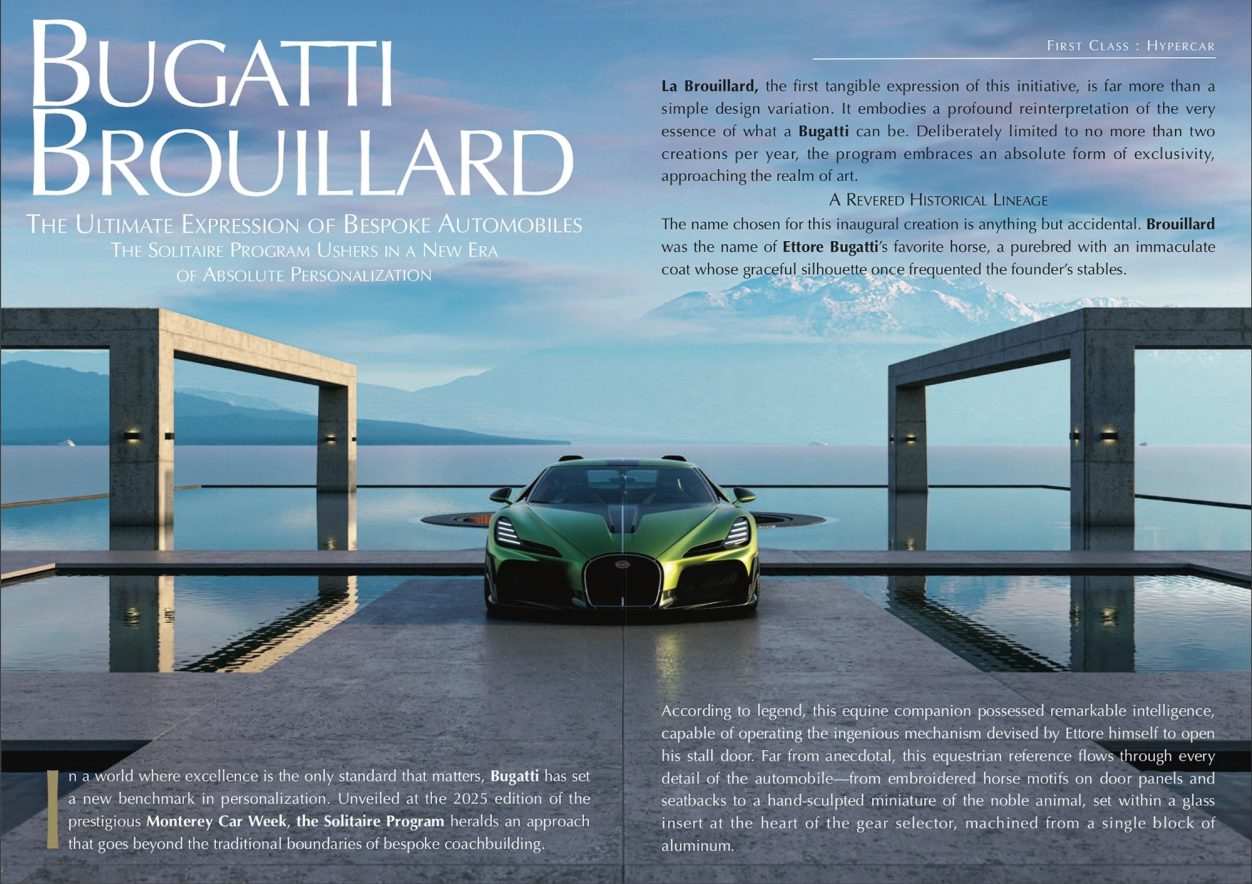
BUGATTI BROUILLARD
The Ultimate Expression of Bespoke Automobiles The Solitaire Program Ushers in a New Era of Absolute Personalization
In a world where excellence is the only standard that matters, Bugatti has set a new benchmark in personalization. Unveiled at the 2025 edition of the prestigious Monterey Car Week, the Solitaire Program heralds an approach that goes beyond the traditional boundaries of bespoke coachbuilding. La Brouillard, the first tangible expression of this initiative, is far more than a simple design variation...
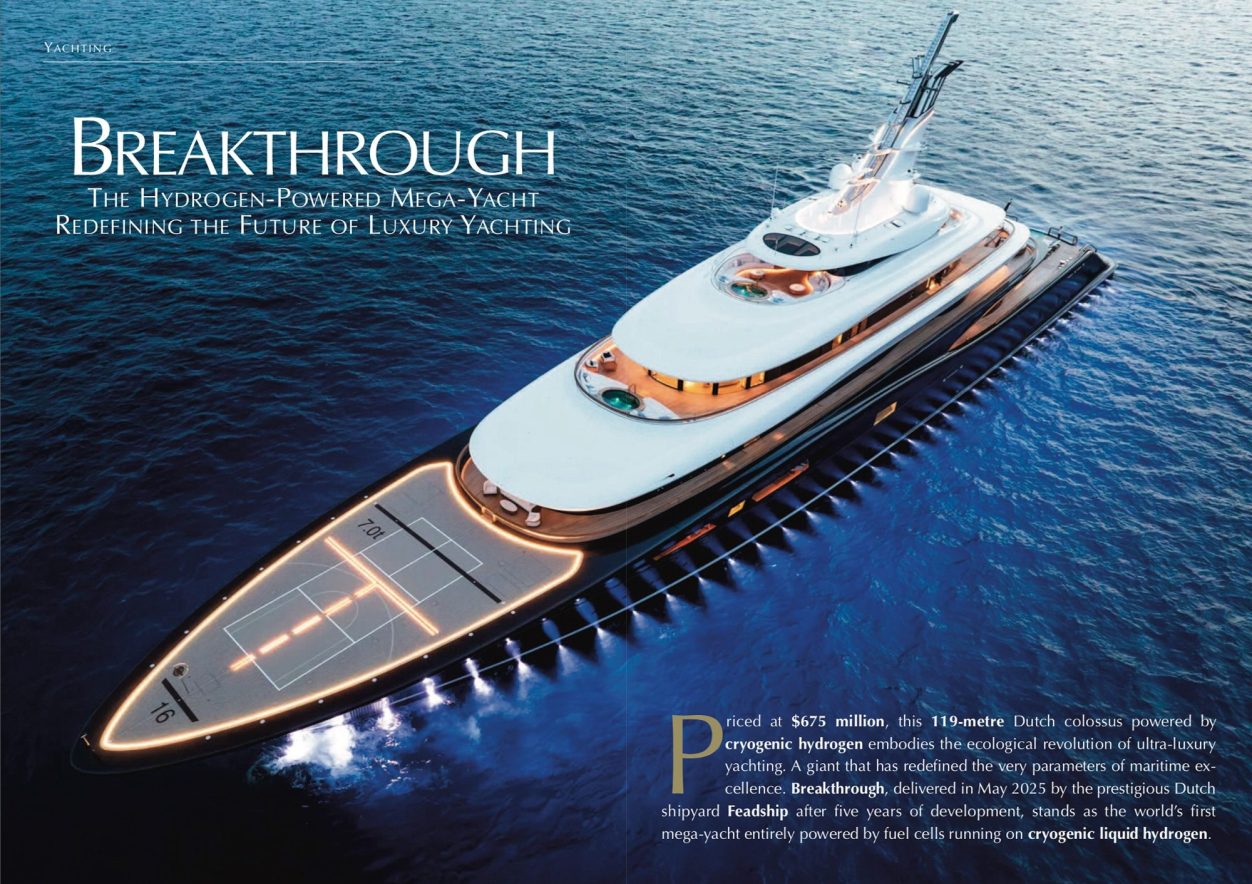
BREAKTHROUGH
The Hydrogen-Powered Mega-Yacht redefining
the future of luxury yachting
Priced at $675 million, this 119-metre Dutch colossus powered by cryogenic hydrogen embodies the ecological revolution of ultra-luxury yachting. A giant that has redefined the very parameters of maritime excellence. Breakthrough, delivered in May 2025 by the prestigious Dutch shipyard Feadship after five years of development, stands as the world’s first mega-yacht entirely powered by fuel cells running on cryogenic liquid hydrogen. Originally commissioned by Bill Gates and recently acquired by Canadian billionaire Patrick Dovigi for $675 million, this revolutionary vessel proves that environmental excellence and absolute luxury are far from being mutually exclusive...
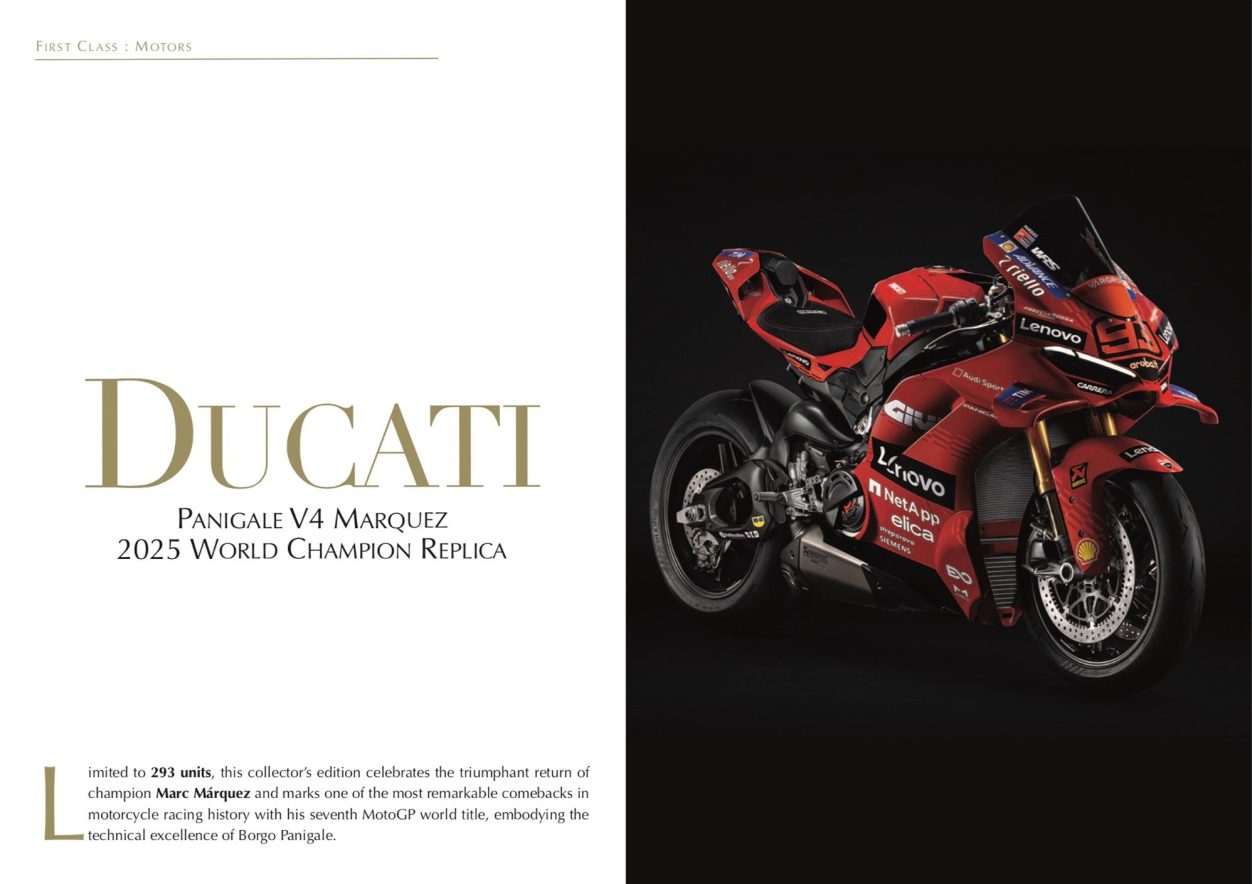
DUCATI PANIGALE V4
MARQUEZ 2025 WORLD CHAMPION REPLICA
Limited to 293 units, this collector’s edition celebrates the triumphant return of champion Marc Márquez and marks one of the most remarkable comebacks in motorcycle racing history with his seventh MotoGP world title, embodying the technical excellence of Borgo Panigale...
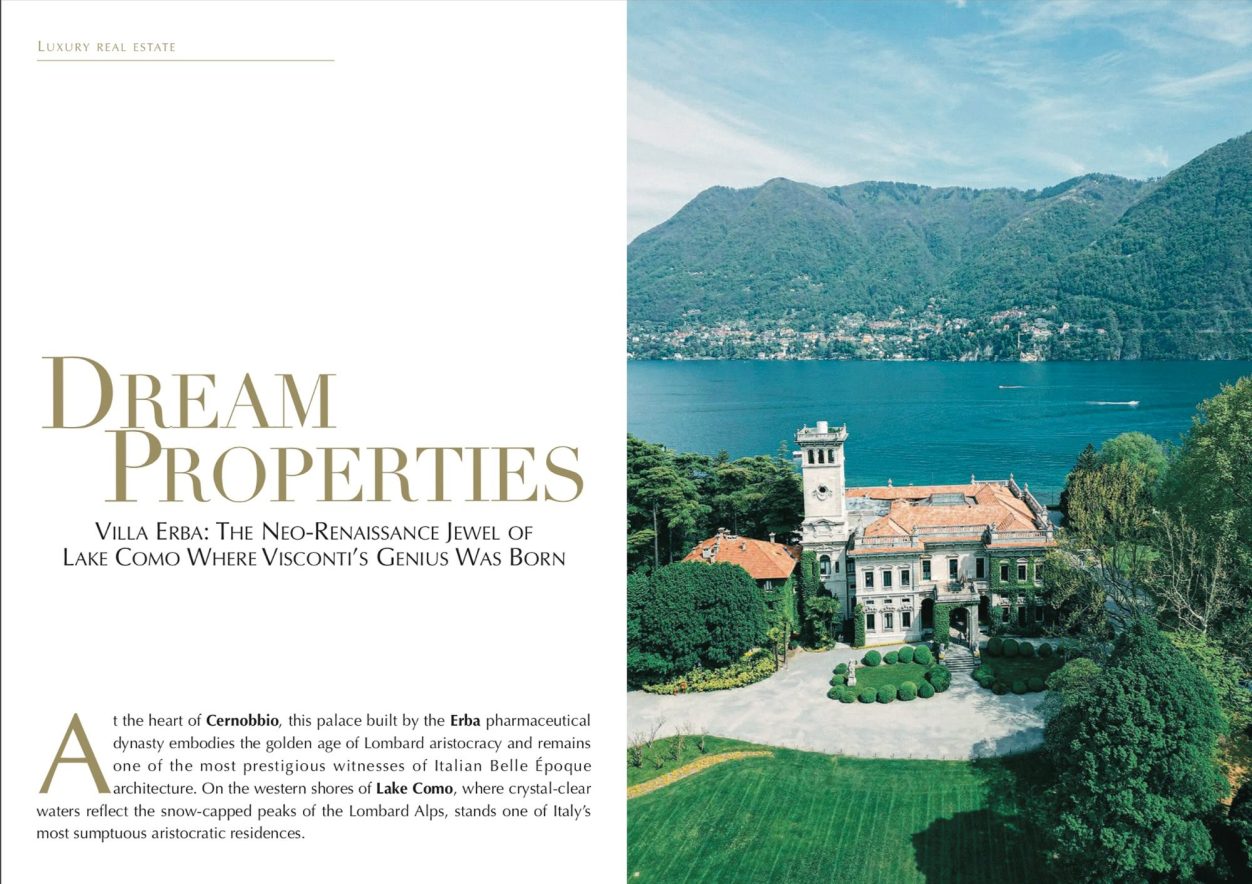
DREAM PROPERTIES
Villa Erba: The Neo-Renaissance Jewel of Lake Como
Where Visconti’s Genius Was Born
At the heart of Cernobbio, this palace built by the Erba pharmaceutical dynasty embodies the golden age of Lombard aristocracy and remains one of the most prestigious witnesses of Italian Belle Époque architecture. On the western shores of Lake Como, where crystal-clear waters reflect the snow-capped peaks of the Lombard Alps, stands one of Italy’s most sumptuous aristocratic residences...
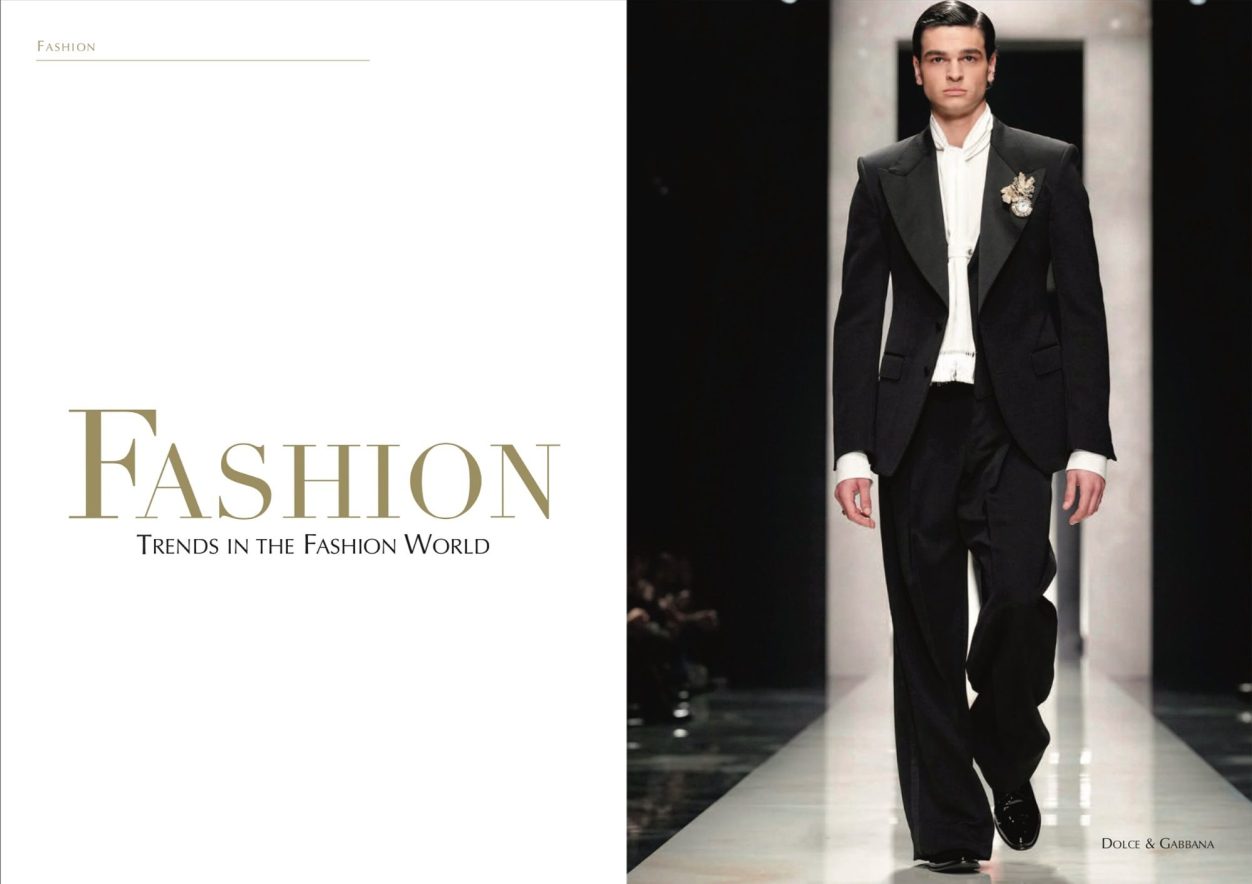
FASHION
TRENDS IN THE FASHION WORLD…
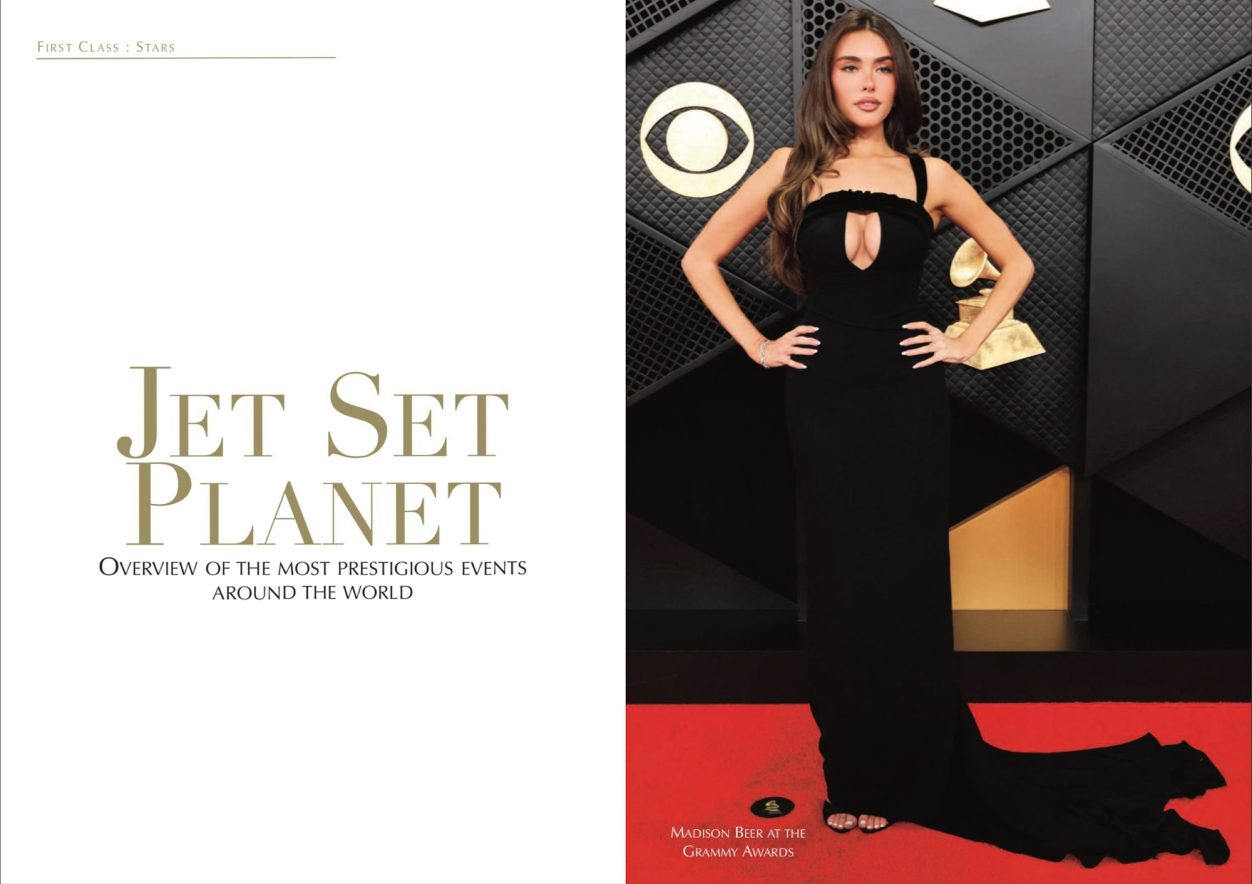
JET SET PLANET
Overview of the most prestigious events around the world…
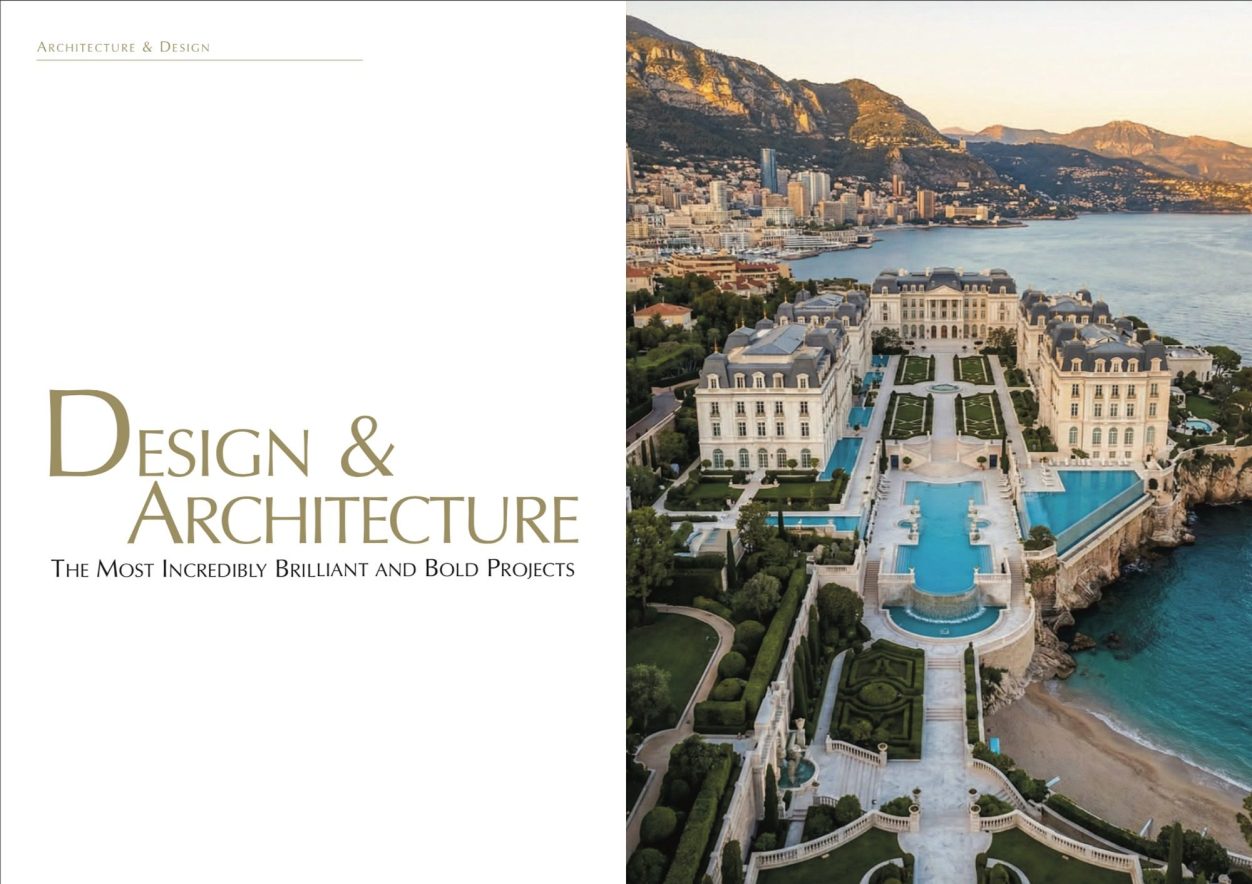
DESIGN & ARCHITECTURE
THE MOST INCREDIBLY BRILLANT ANS BOLD PROJECTS
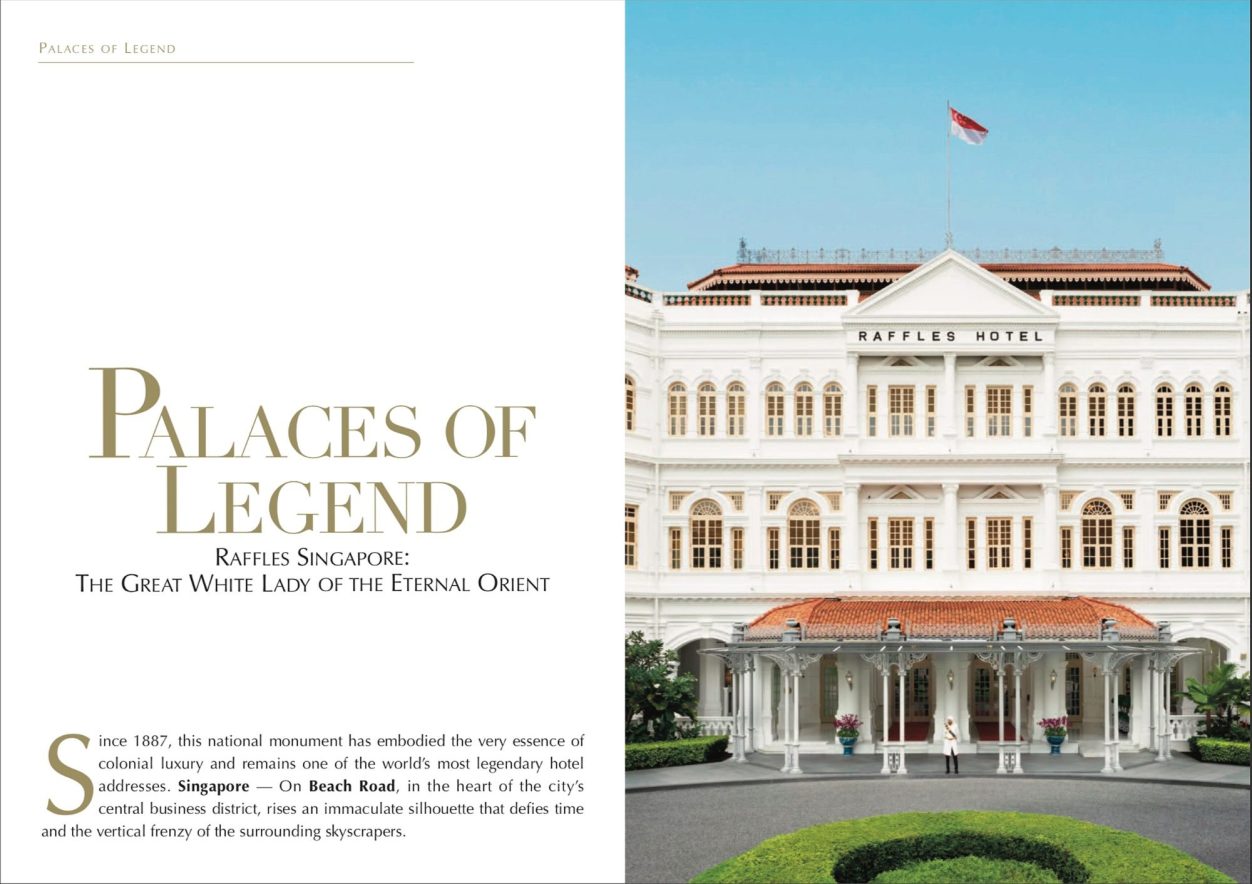
PALACES OF LEGEND
Raffles Singapore: The Great White Lady of the Eternal Orient
Since 1887, this national monument has embodied the very essence of colonial luxury and remains one of the world’s most legendary hotel addresses. Singapore, On Beach Road, in the heart of the city’s central business district, rises an immaculate silhouette that defies time and the vertical frenzy of the surrounding skyscrapers...
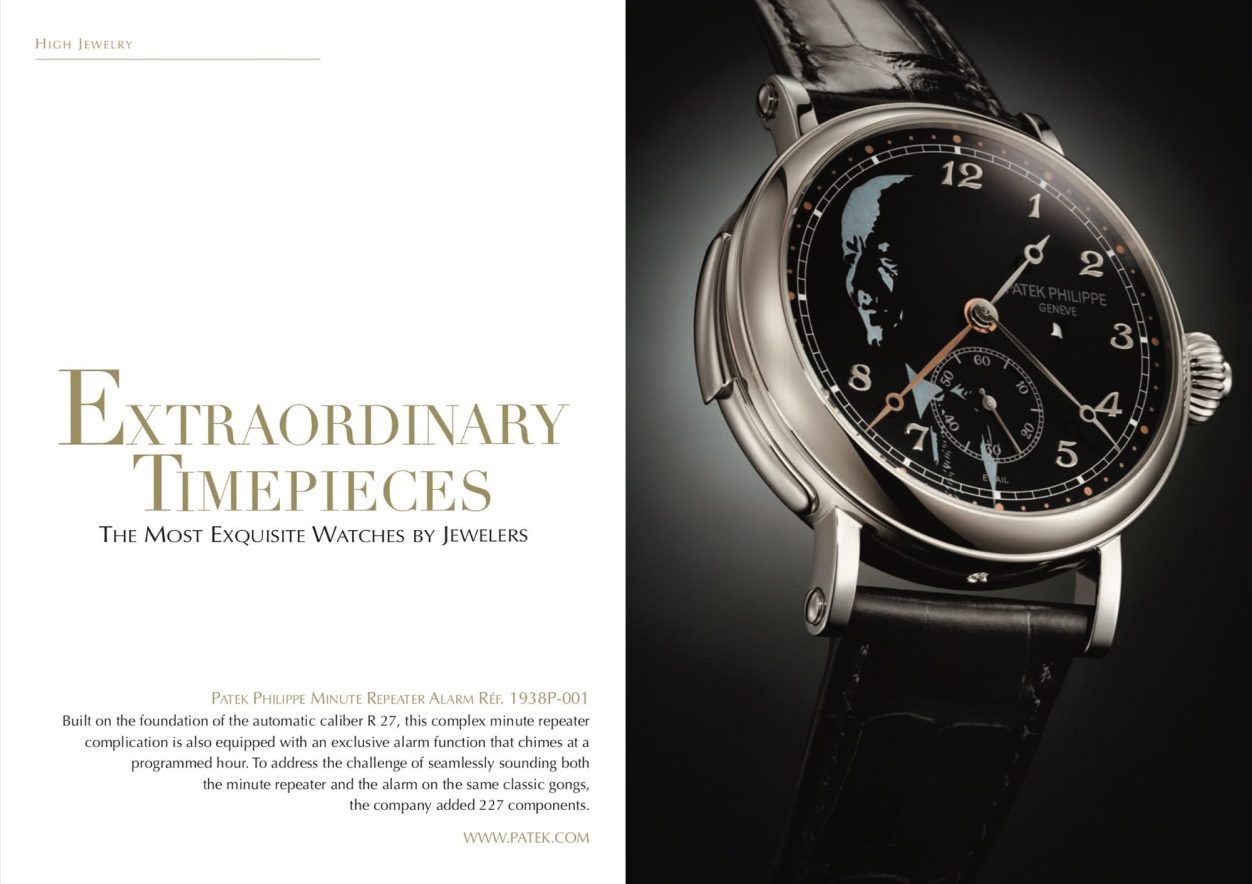
EXCEPTIONAL WATCHES
THE FINEST TIMEPIECES BY JEWELER ARTISANS...
FIRST CLASS MAGAZINE INTERNATIONAL
Disponible sur les Kiosques Numériques Internationaux :
Cafeyn - Magzter - readly - Epresse - Pressreader - United Kiosk - Europcar - Orange - Free - SFR - Bouygues Telecom -
Vodafone - Canal+ - Fnac - Nordnet - N26 - Darty - Red by Sfr - Sncf Tvg 1ere Classe - Fédération Française de Golf - Globalnewspapers - L'Institut Français....
FIRST CLASS MAGAZINE INTERNATIONAL
THE LUXURY LIFESTYLE
Un Passeport pour le Raffinement
et l'Exceptionnel
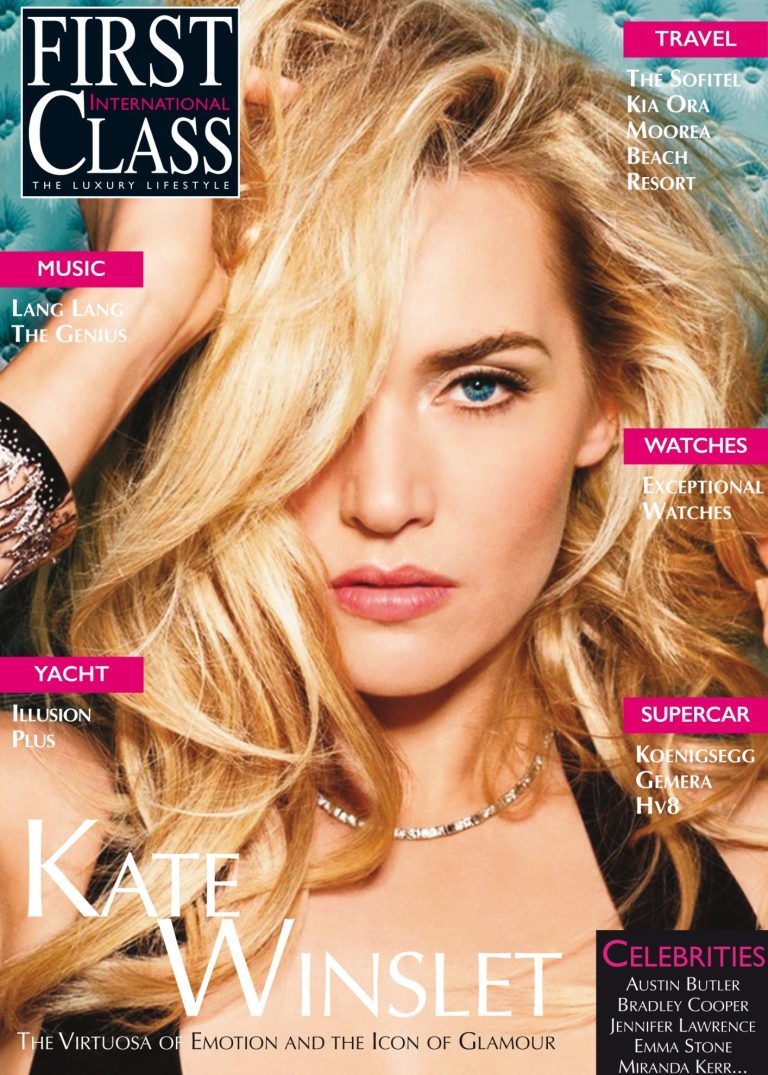
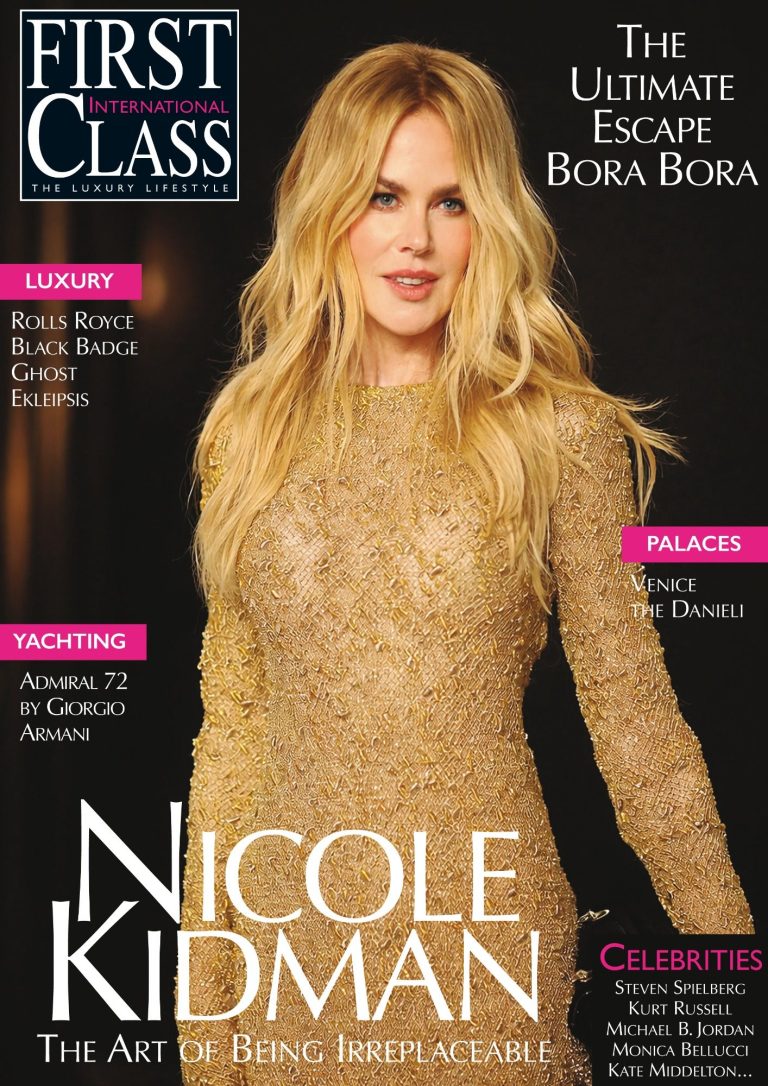
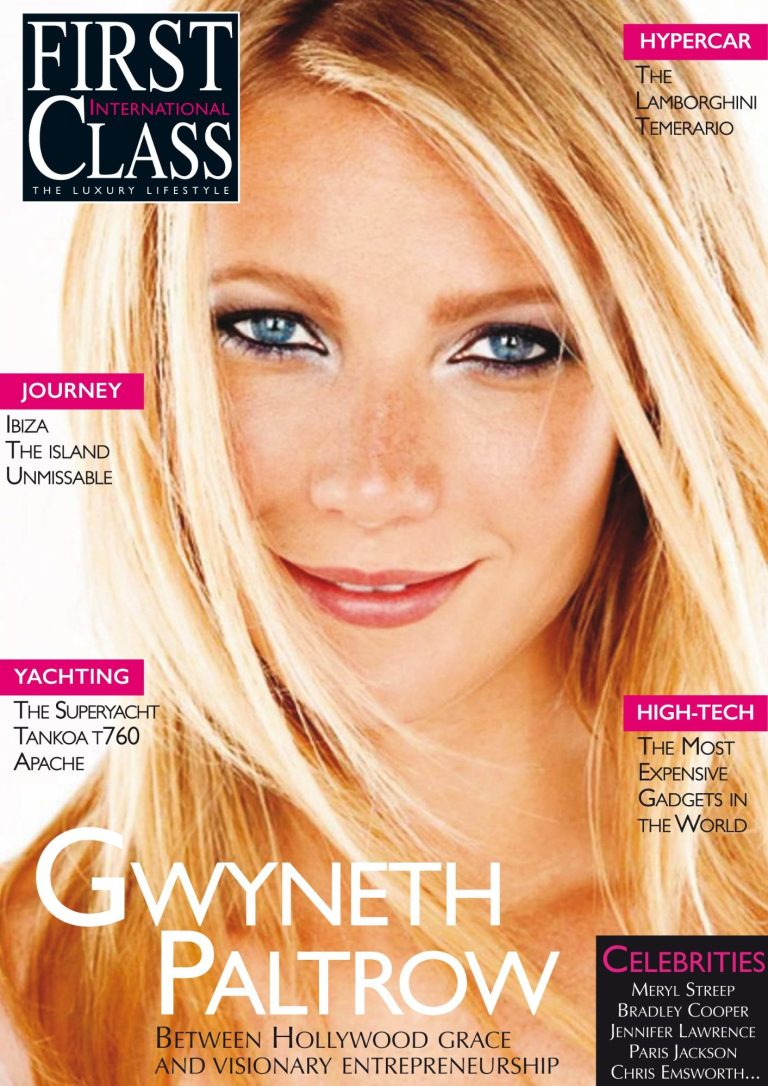
First Class Magazine International est une invitation à explorer un monde où le raffinement et l’exclusivité règnent en maîtres.
Destiné aux lecteurs en quête de découvertes rares et de moments extraordinaires, First Class Magazine International se positionne comme le guide ultime des expériences les plus prestigieuses et inaccessibles.
Entrez dans l’univers de l’hyper-luxe
et de l’élégance avec First Class Magazine International, votre guide ultime
des expériences les plus exclusives.

Les articles, rédigés par des journalistes passionnés, dévoilent des destinations secrètes, des hôtels légendaires, des restaurants étoilés au Michelin, et des événements privés accessibles uniquement à une poignée de privilégiés.
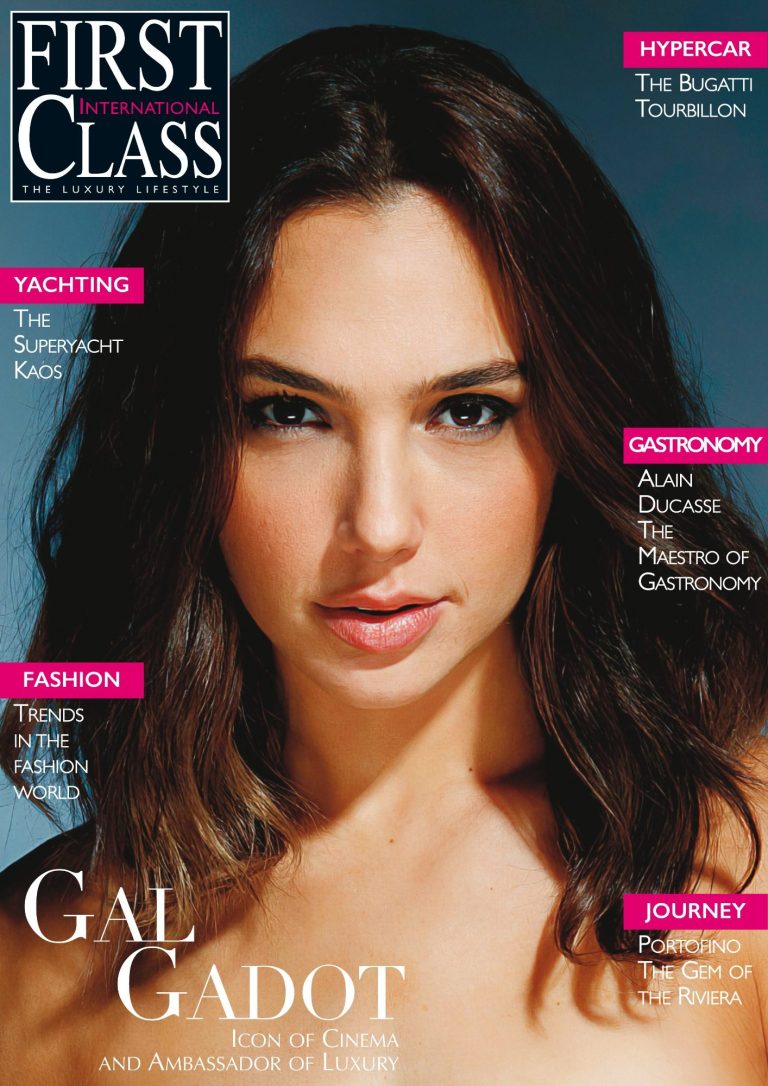
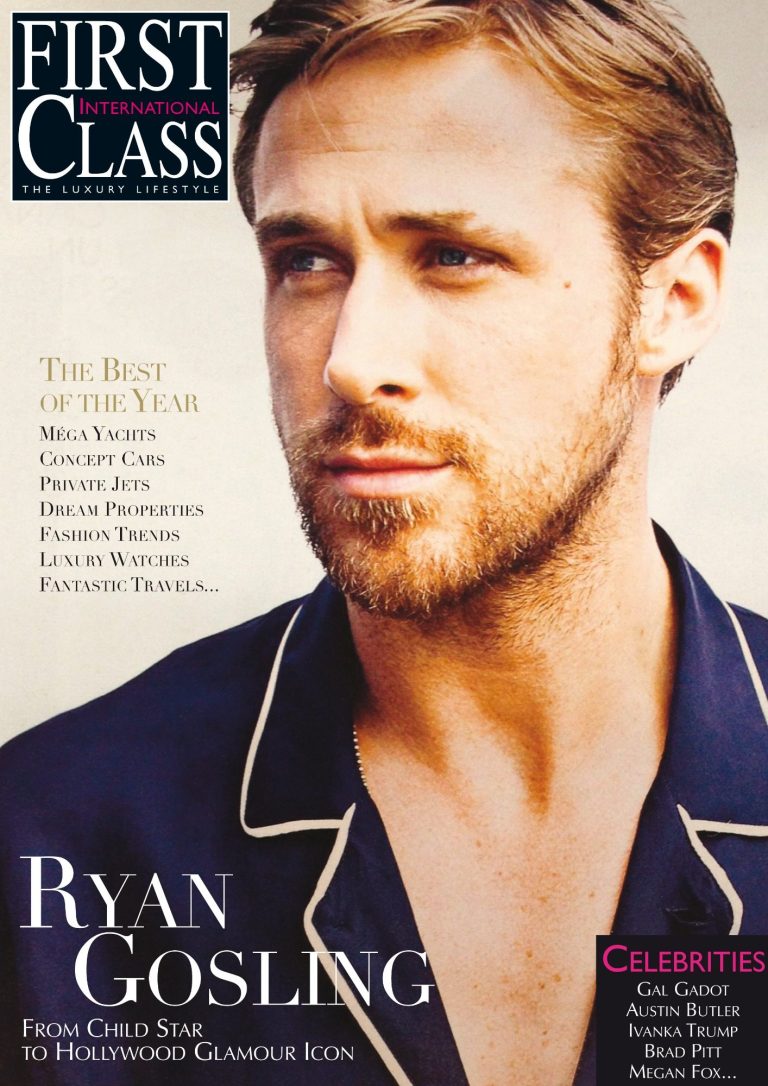
La photographie, d’une qualité exceptionnelle, capture l’essence même de ces moments précieux, offrant un aperçu visuel des plus belles offres du monde.
First Class Magazine International ne se contente pas de décrire le luxe,
il le réinvente à chaque numéro.

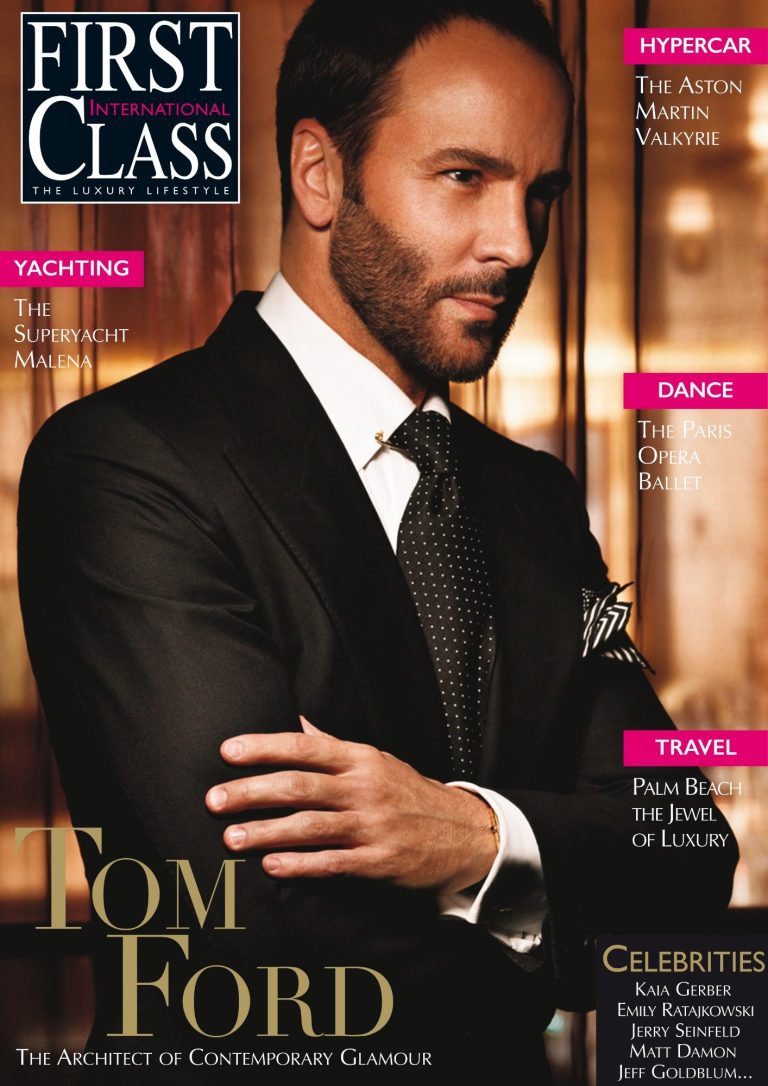
Les lecteurs découvrent des tendances de pointe, des innovations audacieuses et des personnalités inspirantes qui façonnent le monde du luxe.
First Class Magazine International s’adresse à ceux qui ne se contentent pas de l’ordinaire mais aspirent à l’extraordinaire.
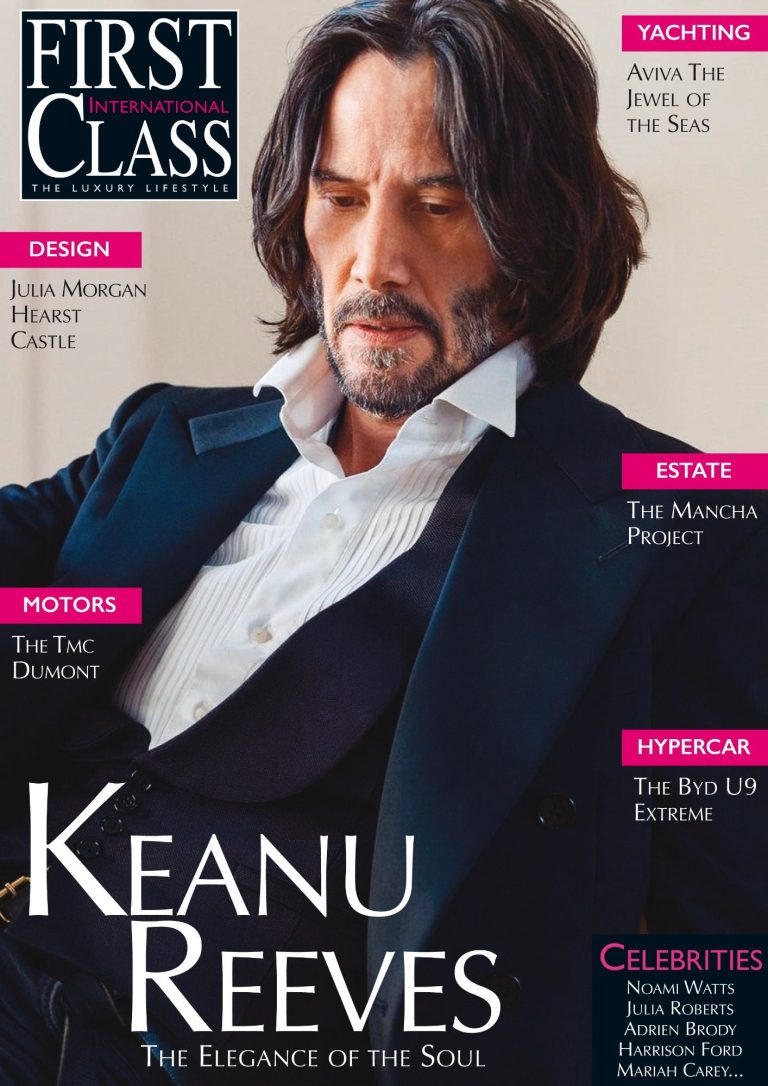
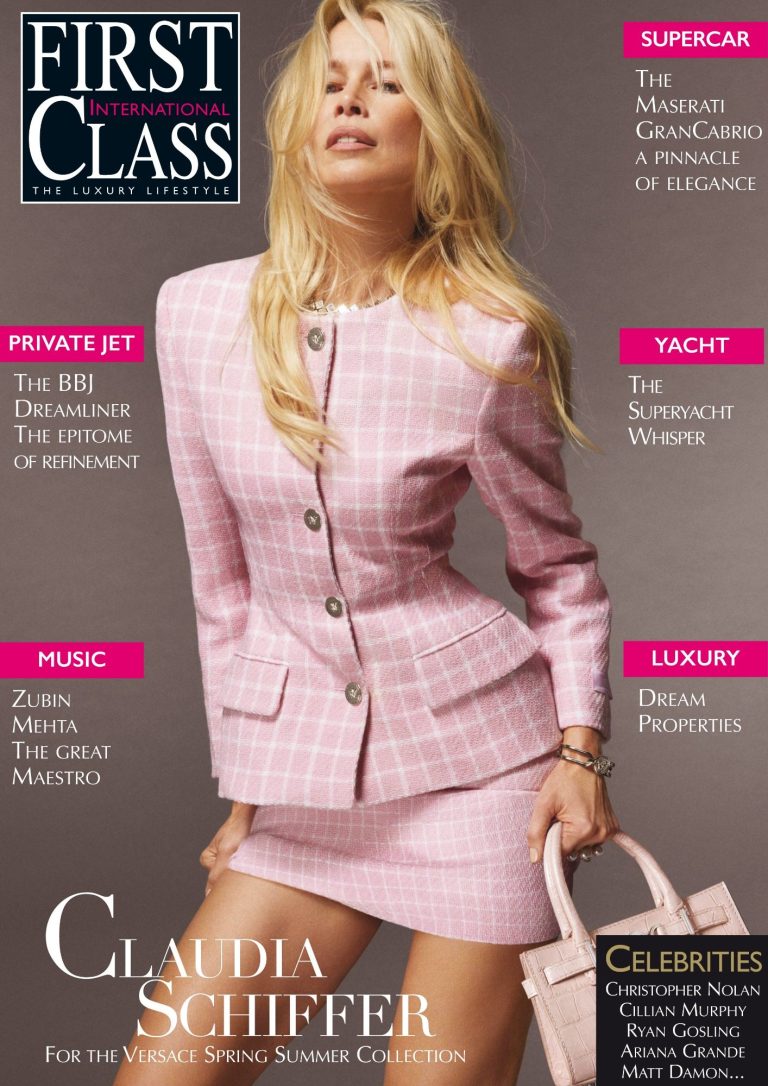
Tourner nos pages évoque un désir irrésistible d’évasion, de vivre
des expériences uniques et de s’immerger dans un monde où chaque détail
est conçu pour émerveiller.
First Class Magazine International c’est une expérience en soi, un passeport pour le raffinement et l’exceptionnel, une promesse de moments inoubliables.
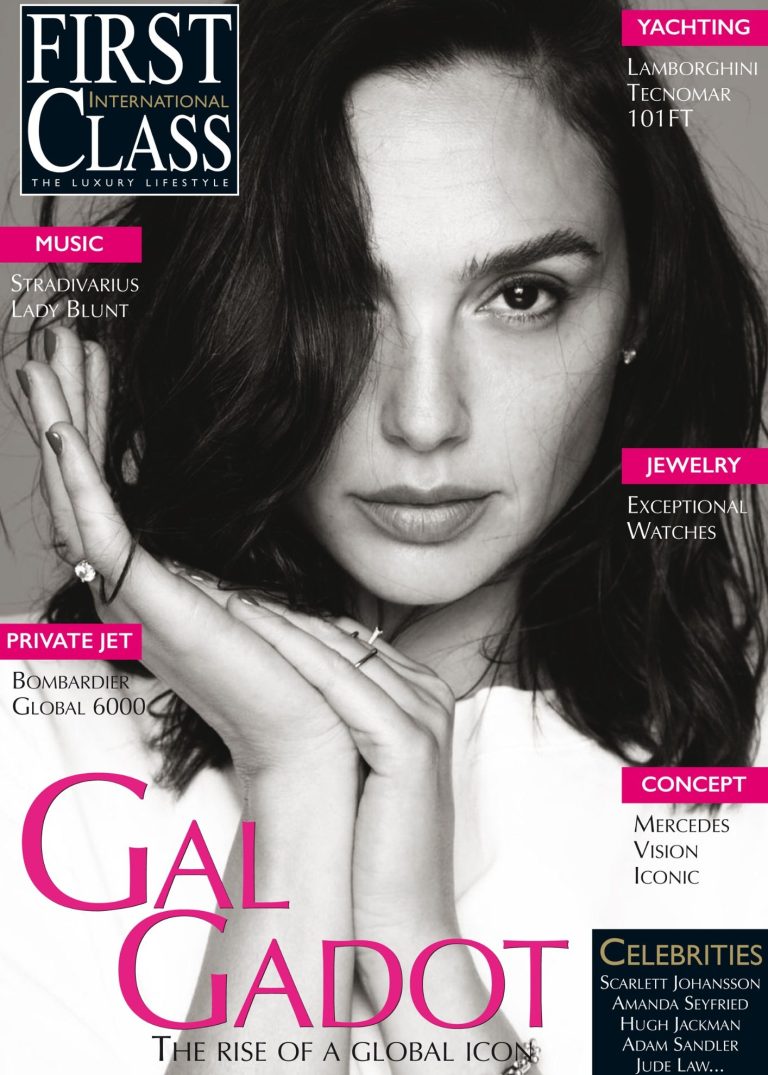
FIRST CLASS MAGAZINE INTERNATIONAL
THE LUXURY LIFESTYLE
Step into the world of hyper-luxury and elegance with First Class Magazine International, your ultimate guide to the most exclusive experiences
Entrez dans l'univers du raffinement et de l'élégance avec First Class Magazine International, votre guide ultime des expériences les plus exclusives
Contactez-nous
Email : contact@firstclass.fr
Adresse : Manoir des Ifs 76400 Tourville les Ifs - Normandie